Bringing a puppy into your home is an exciting and joyful experience, but it also comes with a great deal of responsibility. As a new pet parent, it’s important to provide your puppy with the care, attention, and training they need to grow into a healthy, happy adult dog. From proper nutrition and socialization to grooming and regular veterinary care, there are several important aspects of puppy care that every new pet owner should know.
This blog, especially for puppy owners in White Oak, PA, will provide essential tips for taking care of your new puppy. Whether you’re welcoming your first puppy or adding another member to your family, this guide will help you navigate the early stages of puppyhood with ease and confidence.
1. Preparing for Your Puppy’s Arrival
Before bringing your puppy home, it’s essential to prepare your living space. Ensuring that your home is safe and comfortable for your new puppy is the first step toward successful puppy care.
Key Preparations:
- Create a Safe Space: Set up a quiet area where your puppy can feel secure while adjusting to their new environment. This area should include a bed, food and water bowls, toys, and a litter box or puppy pads if necessary.
- Puppy-Proof Your Home: Just like a baby, puppies love to explore, and this can sometimes lead to accidents. Make sure to remove any hazardous items like electrical cords, toxic plants, and small objects that your puppy might swallow.
- Gather Supplies: Get the essentials ready before your puppy arrives. This includes a crate, collar, leash, toys, grooming tools, and puppy food. Having everything prepared will make the transition smoother for both you and your puppy.
By taking the time to prepare your home, you can help your new puppy settle in quickly and safely.
2. Feeding Your Puppy
Proper nutrition is crucial for a growing puppy. Puppies have unique dietary needs that differ from adult dogs, and it’s important to provide them with the right balance of nutrients to support their growth and energy levels.
What to Feed Your Puppy:
- Choose High-Quality Puppy Food: Look for food specifically formulated for puppies. Puppy food is richer in protein, fat, and other essential nutrients than adult dog food, which supports their rapid growth.
- Feeding Schedule: Puppies need to eat several small meals a day. Typically, you should feed your puppy 3-4 meals a day during their first few months of life. Gradually, as they grow, you can transition to 2 meals per day.
- Portion Control: Follow the feeding guidelines provided on the puppy food packaging or as recommended by your veterinarian. Overfeeding can lead to obesity, while underfeeding can cause nutritional deficiencies.
Always ensure that your puppy has access to fresh water throughout the day to stay hydrated.
3. Litter Training and Potty Training Your Puppy
Potty training is one of the first challenges new puppy owners face, but with patience and consistency, it can be achieved. Most puppies begin potty training as early as 8 weeks old, and it’s crucial to start as soon as possible to establish good habits.
Tips for Potty Training:
- Set a Routine: Puppies thrive on routine. Take your puppy outside frequently, especially after meals, naps, and playtime. This will help them learn when and where to go potty.
- Reward Good Behavior: Whenever your puppy successfully goes potty outside, praise them and offer a treat. Positive reinforcement will help them understand that they are doing the right thing.
- Use Puppy Pads if Necessary: If you are unable to take your puppy outside immediately, use puppy pads as a temporary solution. Gradually transition them to going potty outdoors as they become more accustomed to the routine.
Litter training is typically less necessary for puppies, but if you are using puppy pads, make sure to clean them regularly to avoid accidents.
4. Socializing Your Puppy
Socialization is a critical part of puppy care. Introducing your puppy to different people, animals, and environments early on will help them grow into a confident, well-adjusted adult dog. Positive early experiences will also help prevent behavioral issues such as fearfulness or aggression.
How to Socialize Your Puppy:
- Introduce New Experiences Slowly: Expose your puppy to different environments, sounds, and people. The more experiences they have early on, the more confident and adaptable they will become.
- Playdates with Other Dogs: Arrange safe playdates with other well-behaved dogs. This will help your puppy learn how to interact with other animals in a friendly and calm manner.
- Handling and Touching: Regularly handle your puppy’s paws, ears, and mouth to get them used to being touched. This is especially important for grooming, nail trimming, and veterinary visits later on.
The goal of socialization is to help your puppy become comfortable in various situations and with different people and animals.
5. Grooming Your Puppy
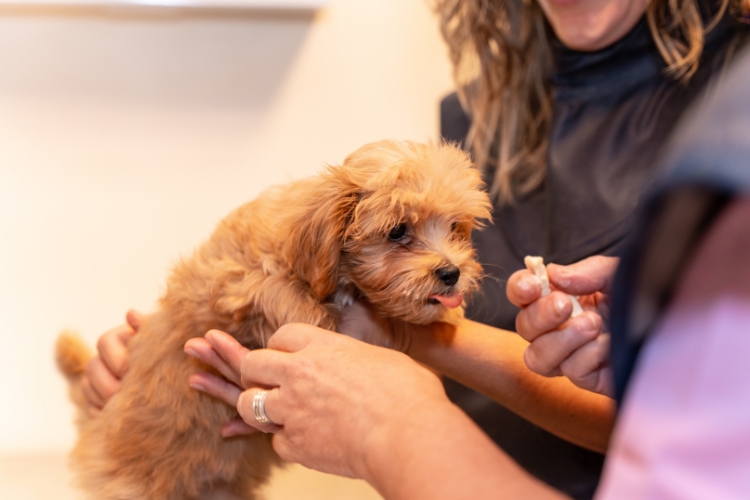
Grooming is an essential part of puppy care. Regular grooming helps keep your puppy’s coat healthy, removes dirt and debris, and ensures they are comfortable. Puppies are also prone to getting mats or tangles, so grooming is important from an early age.
Grooming Tips:
- Brushing: Start brushing your puppy’s fur regularly to keep it free of tangles and mats. Use a soft brush appropriate for their coat type. Regular brushing also helps reduce shedding.
- Nail Trimming: Trim your puppy’s nails every 2-3 weeks. Puppies’ nails grow quickly, and overgrown nails can cause discomfort and even injury.
- Bathing: Puppies don’t need frequent baths unless they get into something messy. When you do bathe them, use a puppy-safe shampoo that won’t irritate their sensitive skin.
Getting your puppy used to grooming from an early age will make future grooming sessions easier and more enjoyable for both of you.
6. Veterinary Care for Your Puppy
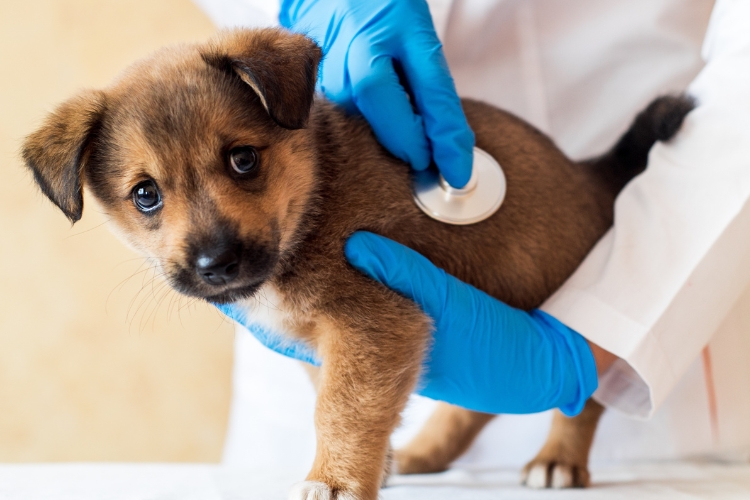
Regular veterinary visits are vital for ensuring that your puppy stays healthy and develops properly. Your veterinarian will monitor your puppy’s growth, administer vaccines, and provide health screenings to catch any potential issues early.
Key Veterinary Visits:
- Initial Check-up: Schedule your puppy’s first veterinary visit within a few days of bringing them home. The vet will perform a thorough physical exam and start the vaccination schedule.
- Vaccinations: Puppies need several rounds of vaccinations to protect them from diseases like parvovirus, distemper, and rabies. Your veterinarian will guide you through the vaccination schedule.
- Parasite Control: Your veterinarian will also provide recommendations for parasite prevention, such as deworming and flea treatments, to ensure your puppy stays healthy.
At White Oak Veterinary Clinic, we provide comprehensive veterinary care for puppies, including vaccinations, wellness exams, and guidance on puppy care.
Taking care of a puppy is a rewarding experience that requires love, patience, and attention to detail. By following the tips in this guide, you can ensure your puppy grows into a healthy, happy, and well-adjusted dog. If you’re in White Oak, PA, and looking for expert puppy care near you, schedule an appointment with White Oak Veterinary Clinic. Our veterinary team is dedicated to providing the best care for your puppy, from vaccinations and health check-ups to training and socialization. Schedule an appointment with us today to ensure your puppy has the best start in life.
FAQs
Q1. How often should I feed my puppy?
Ans. Puppies should be fed 3-4 times a day during their first few months. As they grow, you can reduce feeding to 2 meals a day. Always provide fresh water.
Q2. When can I start training my puppy?
Ans. Start basic training as early as 8 weeks old. Basic commands, potty training, and socialization should begin as soon as your puppy arrives.
Q3. How often should I bathe my puppy?
Ans. Puppies don’t need frequent baths unless they get dirty. Bathe them only when necessary, using a puppy-safe shampoo.
Q4. How do I know if my puppy is sick?
Ans. Common signs of illness in puppies include loss of appetite, lethargy, vomiting, diarrhea, or coughing. If you notice these symptoms, consult your veterinarian.
Q5. When should I spay or neuter my puppy?
Ans. Puppies can be spayed or neutered at around 5-6 months of age. Consult your veterinarian for the best time for your puppy.
Q6. How do I socialize my puppy?
Ans. Expose your puppy to different environments, people, and other dogs gradually. Positive experiences will help them become more comfortable and well-adjusted.