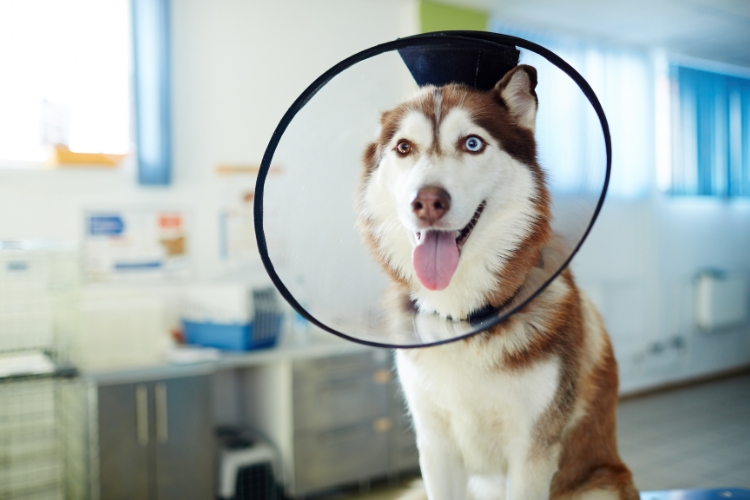
Surgery can be a stressful experience for both you and your dog. As a pet parent, you want to ensure that your furry friend is fully prepared for the procedure, comfortable during the recovery process, and back to their normal self as soon as possible. Whether your dog is undergoing a routine dog surgery like spaying or neutering, or a more complex procedure, proper preparation is key to a successful outcome.
This blog, especially for dog owners in White Oak, PA, will guide you through the steps you need to take to prepare your dog for surgery. We’ll cover everything from pre-surgery care and mental preparation to post-surgery recovery, ensuring that you and your dog are well-prepared every step of the way.
1. Consult with Your Veterinarian
Before the day of the surgery, the first step is to consult with your veterinarian. Your veterinarian will explain the details of the dog surgery, including the reason for the procedure, what to expect during the recovery period, and how you can help your dog through the process.
During the consultation, you should:
- Ask about the procedure: Learn about the surgery, including the risks, expected outcomes, and how long the procedure will take.
- Discuss anesthesia: Your veterinarian will explain the anesthesia your dog will receive and how it will affect them. Ask about the process to ensure you feel comfortable with the approach.
- Inquire about pain management: Make sure you understand the pain management plan for your dog. Ask whether your dog will receive post-surgery pain medication and how to administer it.
Your veterinarian will also perform a pre-surgery examination to ensure your dog is healthy enough for the procedure. This may include blood work or other diagnostic tests, especially if your dog is older or has pre-existing health conditions.
2. Prepare Your Dog’s Environment
Preparing your dog’s environment at home is crucial for a smooth recovery. After surgery, your dog will need a calm, comfortable space to rest while they heal. Set up a quiet, confined area in your home where they can recover safely.
Key Tips for Preparing Your Dog’s Environment:
- Create a quiet space: Your dog will likely feel disoriented after surgery, so provide them with a quiet room where they can rest undisturbed. Keep the area free from other pets, children, or distractions.
- Set up a cozy bed: Make sure your dog has a comfortable, soft bed to lie on during their recovery. You may want to add a blanket or cushion to make them feel secure.
- Prepare a crate: If your dog will be confined to a crate during recovery, make sure it is large enough for them to move around comfortably. Line it with soft bedding and place it in a quiet area.
- Limit access to stairs or furniture: If your dog is recovering from a procedure involving their hind legs or abdominal area, it’s important to restrict their access to stairs or furniture. This will help prevent unnecessary strain on their body.
By setting up a recovery-friendly space, you can help your dog heal comfortably and without stress.
3. Follow Pre-Surgery Instructions
Your veterinarian will provide specific instructions on how to prepare your dog for surgery. It’s essential to follow these instructions carefully to ensure your dog’s safety.
Common Pre-Surgery Instructions:
- Fasting: Your veterinarian will likely instruct you to withhold food from your dog for a certain period before the surgery, usually 8-12 hours. This is to prevent vomiting or aspiration during anesthesia.
- Water restrictions: In some cases, your dog may be allowed to drink water up to a few hours before surgery, but this will depend on the specific instructions given by your vet.
- Medication: If your dog is currently on any medications, discuss them with your veterinarian. They may advise you to temporarily stop or adjust certain medications before surgery.
Following your veterinarian’s instructions carefully ensures that your dog is properly prepared for surgery and reduces the risk of complications during the procedure.
4. Mental Preparation for Your Dog
Preparing your dog mentally for surgery is just as important as preparing them physically. Dogs are highly intuitive and can pick up on your emotions, so it’s important to stay calm and positive during the lead-up to the procedure.
Tips for Preparing Your Dog Mentally:
- Stay calm: Dogs often sense their owner’s emotions, so remaining calm and composed will help your dog feel more secure.
- Maintain routine: Try to stick to your dog’s regular routine before surgery. Keeping their feeding and walking schedule the same will help reduce anxiety.
- Comfort and reassurance: Spend quality time with your dog before the surgery. Offer gentle petting, positive reinforcement, and your familiar scent to help comfort them.
Your dog’s emotional state will play a significant role in their recovery, so providing reassurance and calmness is key.
5. Post-Surgery Care and Recovery
Once your dog has undergone surgery, it’s essential to follow proper post-surgery care to ensure they heal well. Here’s how to care for your dog after surgery:
Tips for Post-Surgery Care:
- Limit physical activity: Restrict your dog’s movement to prevent strain on the surgical site. This is especially important for orthopedic surgeries or any procedure involving the hind limbs or abdomen. Limit walking, jumping, and running until your veterinarian clears them for more activity.
- Pain management: Ensure that your dog receives the prescribed pain medication. Pain relief is crucial for your dog’s comfort, so follow the veterinarian’s instructions on administering medication.
- Monitor the incision site: Check your dog’s incision site regularly for signs of infection, such as redness, swelling, or discharge. If you notice any abnormalities, contact your veterinarian immediately.
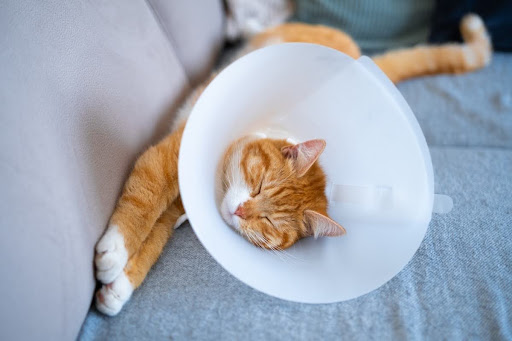
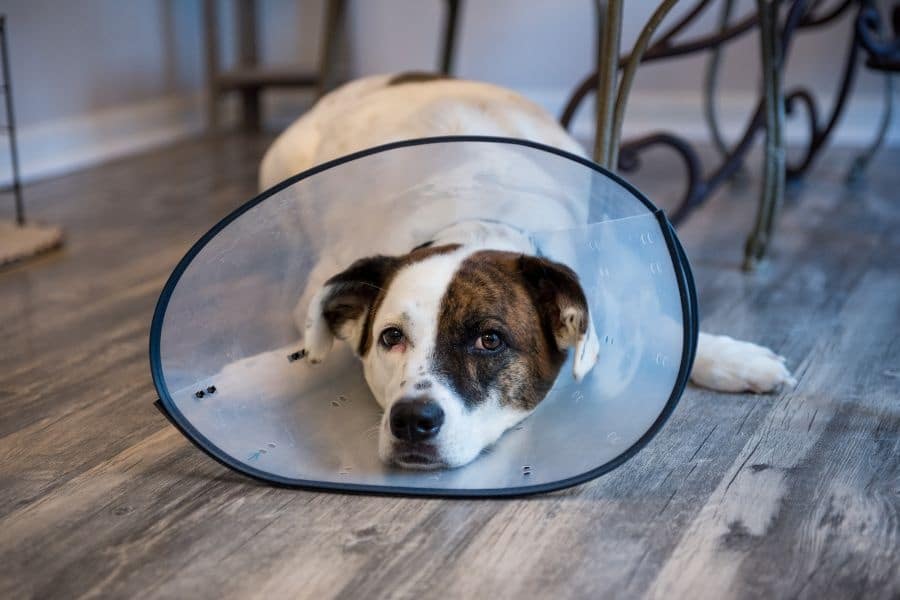
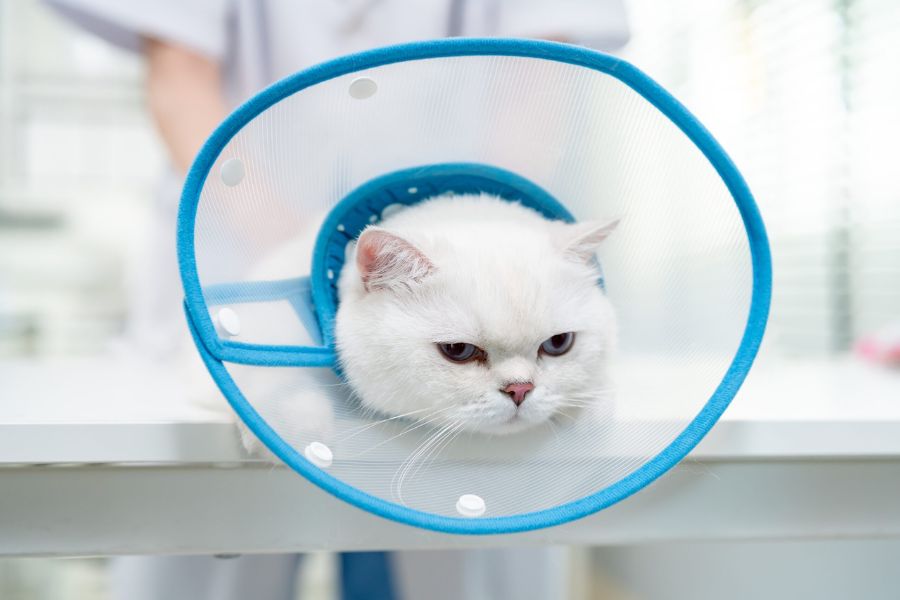
- Keep the surgical site dry: Prevent your dog from licking or chewing at the incision site by using an Elizabethan collar (cone) or other protective garments. Keeping the area clean and dry is essential for proper healing.
- Dietary restrictions: Follow your veterinarian’s guidance on when to resume feeding your dog. Most dogs will need to be fed a lighter diet for a few days after surgery, and small, frequent meals may be recommended.
By following these post-surgery care instructions, you’ll ensure that your dog recovers smoothly and comfortably.
6. When to Contact Your Veterinarian After Surgery
While most dogs recover well from surgery, it’s important to stay vigilant during the recovery process. If you notice any signs of complications, contact your veterinarian right away.
Signs that Require Veterinary Attention:
- Excessive bleeding: Small amounts of bleeding are normal, but if the bleeding continues or increases, contact your veterinarian immediately.
- Swelling or redness: Some swelling around the incision site is common, but excessive redness, heat, or discharge may indicate an infection.
- Loss of appetite: If your dog refuses to eat or drink for more than 24 hours after surgery, contact your veterinarian to rule out any complications.
- Behavioral changes: If your dog seems excessively lethargic, anxious, or is showing signs of severe discomfort, contact your veterinarian.
Being proactive in monitoring your dog’s recovery will ensure they heal properly and quickly.
Preparing your dog for surgery is an essential part of ensuring their recovery. By consulting with your veterinarian, following pre-surgery and post-surgery instructions, and offering emotional and physical support, you can help your dog heal faster and more comfortably. If you’re in White Oak and looking for dog surgery near you, schedule an appointment with White Oak Veterinary Clinic. Our veterinary team is dedicated to providing your dog with the highest level of care, from pre-surgery preparations to post-surgery recovery. Contact us today to learn more about our services and ensure your dog’s surgical experience is as safe and smooth as possible.
FAQs
Q1. How can I prepare my dog for surgery?
Ans. Consult your veterinarian for detailed instructions. Generally, you’ll need to withhold food for 8-12 hours before surgery and follow other pre-surgery guidelines provided by your vet.
Q2. What should I do to comfort my dog before surgery?
Ans. Stay calm, maintain their routine, and offer reassurance. Spending time with your dog and providing comfort can help them feel more at ease.
Q3. How long does it take for a dog to recover from surgery?
Ans. Recovery time depends on the type of surgery. Minor surgeries may require 7-10 days, while more complex surgeries can take several weeks for full recovery.
Q4. When can I take my dog for a walk after surgery?
Ans. Limit physical activity for at least 7-10 days after surgery, or until your veterinarian clears you for exercise. Some surgeries, especially orthopedic ones, may require longer recovery periods.
Q5. How can I prevent my dog from licking their incision site?
Ans. Use an Elizabethan collar (cone) or a surgical recovery suit to prevent your dog from licking the incision site, which could cause infection.
Q6. What signs should I look for that indicate a problem after surgery?
Ans. Watch for signs of excessive bleeding, swelling, infection, loss of appetite, or changes in behavior. If you notice anything unusual, contact your veterinarian immediately.