
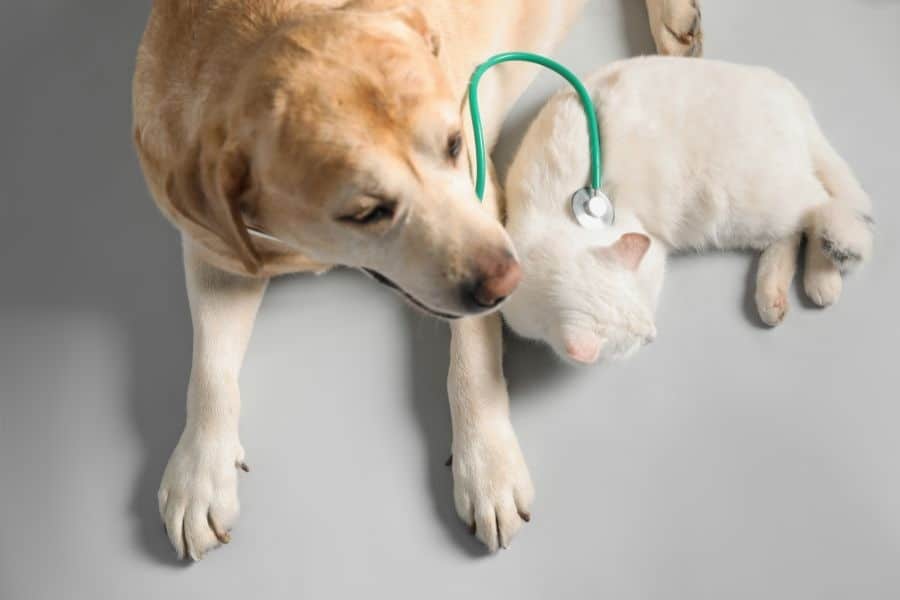
When a pet suddenly becomes sick or starts behaving differently, veterinarians need reliable information before recommending treatment. While symptoms such as vomiting, limping, coughing, or loss of appetite provide important clues, they rarely tell the whole story. That is why urgent pet care facilities rely on modern diagnostic testing to evaluate pets efficiently and make informed medical decisions. For pet owners in White Oak, understanding how these tests support veterinary care can help you feel more prepared if your pet needs prompt medical attention.
Every Diagnosis Begins With the Right Questions
Veterinary care starts long before any diagnostic equipment is used. Gathering information about your pet’s recent health helps narrow down the possible causes of illness.
During your visit, your veterinarian may ask about:
- Changes in eating or drinking habits
- Recent injuries or falls
- Current medications
- Changes in energy levels
- Vomiting or diarrhea
- Exposure to unfamiliar foods or environments
These details help determine which diagnostic tests will provide the most useful answers.
How Urgent Pet Care Uses Diagnostic Testing
Once the physical examination is complete, veterinarians may recommend one or more diagnostic procedures based on your pet’s condition.
Blood Testing
Blood work provides valuable information about organ function, hydration, blood cells, and metabolic balance. It is often one of the first tests performed when symptoms are affecting your pet’s overall health.
Urine Analysis
Urinalysis helps evaluate kidney function and urinary tract health while identifying abnormalities that may not be obvious during a physical examination.
Diagnostic Imaging
Digital X rays and ultrasound allow veterinarians to evaluate bones, joints, and internal organs. These imaging tools are especially useful when injuries or internal conditions are suspected.
Microscopic Sample Evaluation
Skin, ear, or fluid samples can be examined under a microscope to identify inflammation or other changes that influence treatment recommendations.
Turning Test Results Into Treatment Plans
Fast diagnostic information allows veterinarians to move beyond symptoms and focus on the underlying cause of your pet’s condition.
With urgent pet care, diagnostic testing helps veterinary teams:
- Confirm possible diagnoses
- Rule out other medical conditions
- Choose appropriate treatment options
- Monitor your pet’s response to care
- Decide whether additional testing is necessary
This evidence-based approach helps ensure every recommendation is tailored to your pet’s individual needs.
Situations Where Diagnostic Tests Are Often Recommended
Some health concerns require additional evaluation before treatment begins.
Common examples include:
Digestive Upset
Repeated vomiting, diarrhea, or abdominal discomfort may indicate a variety of conditions that require laboratory testing or imaging.
Mobility Problems
Pets that suddenly limp, avoid movement, or show signs of pain often benefit from diagnostic imaging to evaluate bones and joints.
Urinary Changes
Difficulty urinating, increased frequency, or blood in the urine may require urinalysis and additional diagnostic evaluation.
General Illness
Weakness, loss of appetite, or unusual behavior may be linked to internal medical conditions that are identified through blood work or other diagnostic tests.
Helping Your Veterinarian Reach Answers Faster
Pet owners contribute valuable information that complements diagnostic testing.
Before your appointment, consider keeping track of:
- When symptoms first appeared
- Any changes in routine
- Current medications
- Eating and drinking habits
- Bathroom habits
- Recent travel or outdoor activities
Providing accurate information allows the veterinary team to interpret test results more effectively.
Why Early Evaluation Is Beneficial
Seeking veterinary attention soon after symptoms develop allows diagnostic testing to begin earlier and helps veterinarians identify health concerns before they progress.
If you are from White Oak and looking for urgent pet care, selecting a veterinary clinic with advanced diagnostic capabilities can help your pet receive prompt evaluation and a treatment plan supported by accurate medical findings.
At White Oak Veterinary Clinic, our experienced veterinary team uses modern diagnostic technology to evaluate your pet thoroughly and recommend care based on their unique medical needs.
Schedule Your Online Appointment
If your pet is showing signs of illness or discomfort, schedule an online appointment today. Early evaluation allows our veterinary team to begin the diagnostic process and recommend the most appropriate treatment for your pet.
Call Our Team Today
Have questions about your pet’s condition? Call our team at 412-678-4042 to speak with a member of our staff and schedule an appointment.
Frequently Asked Questions
Q1. Why do veterinarians recommend diagnostic testing before treatment?
Diagnostic testing helps identify the underlying cause of your pet’s symptoms rather than relying on observation alone. This information allows veterinarians to develop treatment plans based on objective medical findings and your pet’s individual health needs.
Q2. What types of tests are commonly performed during an urgent care visit?
Depending on your pet’s symptoms, veterinarians may recommend blood work, urinalysis, digital X rays, ultrasound, or microscopic evaluations. The specific tests selected depend on the results of the physical examination and medical history.
Q3. Can diagnostic testing reduce unnecessary treatments?
Yes. Accurate test results help veterinarians confirm or rule out possible conditions before recommending medications or additional procedures. This leads to more focused and personalized care for your pet.
Q4. How can I prepare my pet for diagnostic testing?
Bring information about your pet’s recent symptoms, medications, appetite, water intake, and any changes in behavior. Your veterinarian will let you know if any special preparation is needed before certain diagnostic tests.
Q5. Are diagnostic recommendations different for every pet?
Absolutely. Every pet receives an individualized diagnostic plan based on age, symptoms, medical history, and examination findings. Veterinarians recommend only the tests that are appropriate for your pet’s specific condition.