Dogs use their ears for hearing, communication, and maintaining balance. When something affects their ear health, they may experience itching, pain, inflammation, or changes in behavior. Although occasional ear scratching can happen, repeated head shaking, unusual odors, and visible discharge may indicate a developing problem.
Dog ear infections are a common concern and can become increasingly uncomfortable without appropriate treatment. Recognizing the early warning signs helps pet owners understand when professional attention is necessary. Knowing which symptoms require urgent pet care can also prevent an uncomfortable condition from becoming more complicated.
Common Symptoms of Dog Ear Infections
Ear infections can affect dogs of different ages and breeds. Some symptoms develop gradually, while others become noticeable over a short period. Paying attention to changes in your dog’s ears and daily behavior can help you recognize a potential problem.
Common symptoms include:
- Frequent head shaking: Repeated head movements may indicate irritation or discomfort inside the ear.
- Persistent scratching: Your dog may scratch its ears or rub its head against carpets and furniture.
- Redness and swelling: The visible ear tissue may appear inflamed, irritated, or swollen.
- Unusual odor: A strong or unpleasant smell coming from the ears may indicate infection.
- Ear discharge: Brown, yellow, or dark material may collect inside the ear canal.
- Sensitivity to touch: Your dog may pull away, whine, or become uncomfortable when its ears are handled.
- Behavioral changes: Irritability, restlessness, reduced activity, or difficulty sleeping may develop when ear discomfort continues.
These signs do not automatically confirm an infection. However, persistent symptoms should be evaluated by a veterinarian to identify the cause and determine appropriate care.
Urgent Warning Signs That Should Not Be Ignored
Some symptoms indicate that an ear problem may be more serious than ordinary irritation. Knowing when to seek urgent pet care is important because certain conditions can affect deeper parts of the ear or cause significant pain.
Contact a veterinarian promptly if your dog displays any of these warning signs.
1. Severe ear pain
A dog that cries, yelps, constantly paws at its ears, or refuses to let anyone touch its head may be experiencing considerable discomfort. Avoid pressing the affected area and arrange veterinary attention.
2. Persistent head tilting
A noticeable head tilt, especially when it develops suddenly, may indicate that an ear condition is affecting structures involved in balance. This symptom requires prompt assessment.
3. Difficulty walking or maintaining balance
Stumbling, circling, falling, or appearing unusually unsteady can indicate a deeper ear problem or another medical condition. Seek immediate veterinary guidance.
4. Significant swelling
An enlarged ear flap may develop after repeated scratching or head shaking. This can sometimes be an ear hematoma, which requires veterinary evaluation.
5. Bleeding or heavy discharge
Blood, thick discharge, or a sudden increase in fluid coming from the ear should be examined by a veterinary professional. Avoid attempting to remove material from deep inside the ear canal.
6. Sudden changes in hearing or behavior
If your dog stops responding to familiar sounds, appears confused, or behaves unusually, arrange a veterinary examination to determine what is happening.
Severe pain, sudden coordination problems, or significant balance changes should not wait for a routine appointment.
What Causes Dog Ear Infections?
Several factors can contribute to ear infections. Identifying the underlying cause is essential because different conditions may require different treatment approaches.
Common contributing factors include:
- Bacterial growth: Bacteria can multiply when the normal environment inside the ear becomes disrupted.
- Yeast overgrowth: Warm, moist conditions may encourage yeast growth and lead to inflammation.
- Allergies: Environmental or food-related allergies can cause itching and inflammation around the ears.
- Moisture buildup: Water trapped after swimming or bathing may contribute to conditions that encourage microbial growth.
- Ear mites: These parasites can cause intense itching, irritation, and dark ear debris.
- Foreign material: Grass seeds, dirt, and other debris can become trapped inside the ear canal.
- Ear structure: Dogs with floppy ears or narrow ear canals may experience conditions that make moisture and debris more likely to collect.
Some dogs experience recurring infections because of underlying allergies or other ongoing health concerns. Addressing these contributing factors is important for long-term ear health.
How Veterinary Diagnostic Care Identifies Ear Problems
Ear discomfort can have multiple causes, and similar symptoms may occur with different conditions. A veterinary examination helps determine whether your dog has an infection, inflammation, parasites, or another ear-related problem.
Depending on your dog’s symptoms, the examination may include:
- Medical history review: The veterinarian may ask when symptoms started, how frequently they occur, and whether similar problems have happened before.
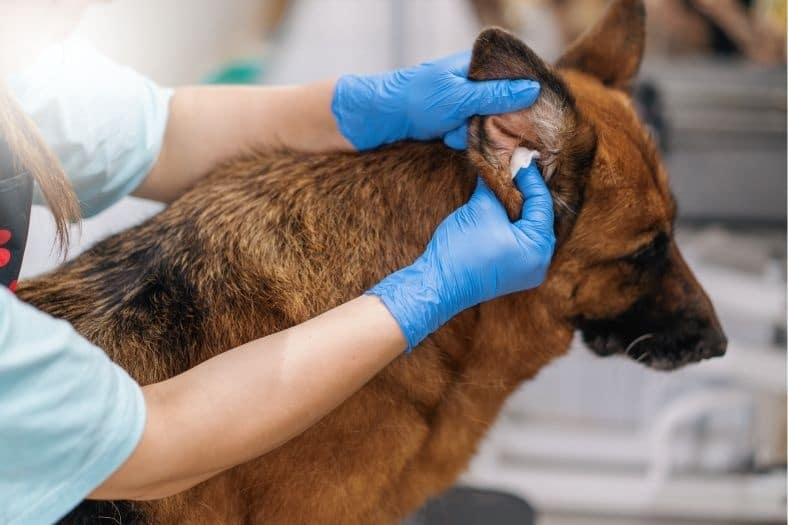
- Physical examination: The outer ear and visible ear canal are checked for redness, swelling, discharge, and irritation.
- Otoscope examination: An otoscope may be used to inspect the ear canal and, when possible, the eardrum.
- Ear sample testing: A small sample of discharge may be examined under a microscope to identify bacteria, yeast, or parasites.
- Additional diagnostic procedures: Further testing may be recommended for severe, persistent, or recurring symptoms.
These steps help the veterinary team understand the underlying problem and recommend suitable treatment. They can also help identify conditions that may require more than routine ear care.
Treatment Options for Dog Ear Infections
Treatment depends on the cause and severity of the infection. After examining your dog, the veterinarian may recommend a suitable cleaning routine, prescribed medication, or additional care based on the findings.
Bacterial and yeast infections may require specific medications. If allergies are contributing to repeated inflammation, managing the underlying allergy may also be necessary. Conditions involving parasites or foreign material require their own treatment approach.
Always follow the veterinarian’s instructions and complete the recommended treatment. Avoid using leftover medication, human ear drops, or home remedies without professional guidance. Some products may irritate the ear or cause harm if the eardrum is damaged.
Do not insert cotton swabs or other objects deep into your dog’s ear canal. If the ear is painful, attempting to clean it forcefully can increase discomfort.
Follow-up examinations may also be recommended to confirm that the infection has cleared and the ear is healing properly.
Pet Preventive Care Tips for Healthier Ears
Consistent pet preventive care can help reduce some common risk factors associated with ear irritation and infection. Although prevention cannot eliminate every ear problem, simple habits can support your dog’s comfort.
Consider these practical steps:
- Inspect the ears regularly: Look for redness, swelling, discharge, unpleasant odors, or unusual sensitivity.
- Keep the outer ears dry: Gently dry the visible outer ear after bathing or swimming.
- Follow veterinarian-approved cleaning routines: Ask which cleaning products are appropriate and how frequently they should be used.
- Address recurring itching: Persistent skin irritation may indicate allergies that need veterinary attention.
- Avoid excessive cleaning: Overcleaning can irritate sensitive ear tissue.
- Attend routine veterinary examinations: Regular checkups can help identify developing health concerns before they become more uncomfortable.
Dogs with a history of ear infections may benefit from an individualized ear-care routine. A veterinarian can recommend appropriate cleaning and monitoring based on your dog’s needs.
When to Schedule a Veterinary Appointment
Ear discomfort should not be ignored when it continues, becomes painful, or affects your dog’s normal activities. Repeated head shaking, scratching, redness, unusual odor, and discharge are all reasons to arrange a veterinary examination.
More serious symptoms, such as severe pain, head tilting, bleeding, or difficulty maintaining balance, require prompt attention. Early evaluation can help identify the cause and reduce the risk of further complications.
White Oak Veterinary Clinic can be a point of contact for pet owners concerned about changes in their dog’s ear health. A veterinary assessment can help determine the underlying problem and guide the next steps in care.
If you notice unusual symptoms, avoid experimenting with home treatments or waiting for the condition to worsen. Professional guidance can help protect your dog’s comfort and support long-term wellness. Schedule an appointment online to discuss your dog’s symptoms and arrange an appropriate veterinary examination. Call 412-678-4042 to discuss any unusual changes and determine whether your pet needs veterinary attention.
Frequently Asked Questions
Q1. What are the first signs of dog ear infections?
Ans: Early signs commonly include head shaking, frequent scratching, redness, unpleasant odor, and unusual ear discharge. If these symptoms persist, arrange a veterinary examination.
Q2. When should I seek urgent pet care for my dog’s ear problem?
Ans: Severe pain, bleeding, significant swelling, persistent head tilting, stumbling, and difficulty maintaining balance require prompt veterinary attention. Sudden coordination problems should be evaluated immediately.
Q3. Can dog ear infections develop because of allergies?
Ans: Yes. Allergies can cause inflammation and itching around the ears, making infections more likely. Dogs with recurring ear problems may need an evaluation for underlying allergies.
Q4. How can pet preventive care help protect my dog’s ears?
Ans: Regular ear inspections, appropriate drying after bathing, veterinarian-approved cleaning, and routine examinations can help identify potential problems early and support healthy ears.
Q5. Should I clean my dog’s ears when an infection is suspected?
Ans: Avoid cleaning a painful or inflamed ear without veterinary guidance. The wrong cleaning product or technique may worsen irritation, so have the ear examined before starting treatment.