

How many teeth do cats have often comes up in pet care chats, yet many dog parents struggle with a bigger daily concern: itchy skin, sore ears, and constant scratching. This guide explains why food matters, which ingredients help, which ones cause trouble, and how to build a calmer routine. You will learn signs of food-related allergies, smart label reading, and feeding steps that support ear comfort. If you live in or near White Oak, PA, these tips fit right into a practical care plan.
Why Food Plays a Big Role in Allergies and Ear Health
Most chronic ear infections link back to inflammation. Food allergies and sensitivities drive that inflammation. When a dog eats something the body rejects, the immune system reacts. Skin turns red. Ears trap moisture. Yeast and bacteria grow fast in warm, irritated canals.
Common triggers include beef, chicken, dairy, wheat, corn, and soy. Dogs also react to artificial colors, flavors, and preservatives. A clean diet reduces the load on the immune system and gives the body a chance to reset.
Signs Your Dog’s Food May Be the Problem
Watch for these patterns:
- Repeated ear infections or head shaking
- Itchy paws, belly, or face
- Red or smelly ears
- Loose stool or gas
- Dull coat or hair loss
- Constant licking
These signs often appear together. Many owners treat ears again and again without changing food. Relief stays short-lived.
What to Look for in the Best Dog Food
A good allergy-friendly food keeps formulas simple and nourishing.
Single or Novel Protein
Choose one main protein like turkey, duck, lamb, venison, or fish. Novel proteins help dogs who react to common meats. Limited-ingredient recipes make it easier to spot triggers.
Low-Allergen Carbohydrates
Pick sweet potatoes, pumpkin, peas, or brown rice. Skip wheat and corn. These options support digestion and steady energy.
Omega Fatty Acids
Fish oil and flaxseed reduce skin redness and support the ear lining. Look for foods that list omega-3 and omega-6 on the label.
Probiotics and Fiber
A healthy gut calms the immune response. Probiotics and gentle fibers help balance digestion and may cut flare-ups over time.
No Artificial Additives
Avoid dyes, chemical preservatives, and flavor sprays. Clean labels protect sensitive dogs.
Dry, Wet, Fresh, or Homemade: Which Works Best?
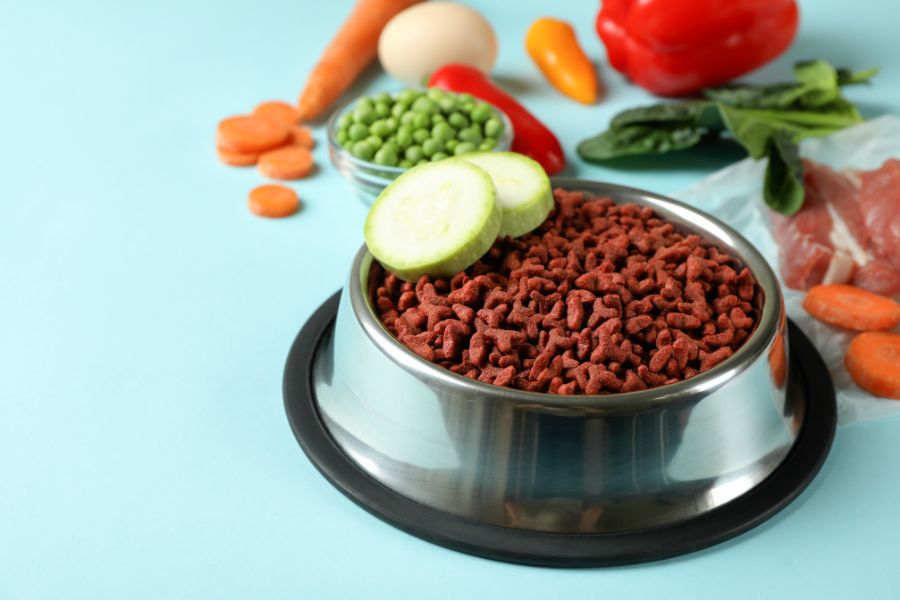
Each option serves a purpose. Choose based on budget, schedule, and your dog’s taste. Combine textures for interest. Keep recipes simple. Measure portions. Check labels. Adjust calories as activity changes.
How to Transition Safely
Move to a new food across seven to ten days. Mix a small amount of the new recipe into the old one. Increase the new portion every two days. Watch stool, skin, and ears. Write down changes. Consistency reveals what works.
In this period, avoid treats with mystery ingredients. Use single-ingredient snacks like freeze-dried fish or pumpkin bites.
The Link Between Gut Health and Ears
The gut trains the immune system. Poor digestion fuels inflammation that shows up in the ears and skin. A balanced diet plus probiotics often reduces odor and discharge. Clean water matters. Daily walks help circulation and stress control.
Midway through your feeding plan, you may think about how many teeth cats have, and your focus stays on your dog’s comfort. Track progress for six to eight weeks before judging results.
Everyday Habits That Support Healing
Food sets the foundation. Simple habits speed recovery:
- Wipe ears after baths or swims
- Keep hair trimmed around ear openings
- Wash bedding weekly
- Use stainless steel bowls
- Limit table scraps
These steps cut moisture and allergens that restart infections.
When to Seek Extra Guidance
Some dogs need prescription diets or allergy testing. Chronic cases benefit from a personalized plan. If you want local support in White Oak, PA, make an appointment with White Oak Veterinary Clinic, which can help confirm triggers and set clear goals.
The best dog food for allergies and ear infections keeps ingredients simple, supports the gut, and lowers inflammation. Pair smart feeding with steady habits for lasting comfort. If flare-ups continue, book an appointment with your local care team. Stay curious, stay consistent, and remember that even light moments like asking how many teeth do cats have belong in a life filled with healthier pets.
Frequently Asked Questions(FAQs):
Can dog food really cause ear infections?
Yes. Food sensitivities spark inflammation that weakens the ear’s natural defenses. Yeast and bacteria grow fast in irritated canals. Removing trigger ingredients often reduces repeat infections and itching within several weeks.
How long does it take to see improvement after changing food?
Most dogs show skin and ear changes in four to eight weeks. Full results take up to twelve weeks. Keep meals consistent, avoid extra treats, and track symptoms to measure progress.
Are grain-free diets always better for allergies?
Not always. Some dogs tolerate grains like brown rice or oats. Focus on simple recipes, quality proteins, and the absence of common triggers. Each dog responds differently.
Should I add supplements for ear health?
Omega oils and probiotics help many dogs. Start with food first. Add supplements only if labels show low levels or if your care provider suggests support for skin or digestion.
What treats are safe for dogs with food allergies?
Single-ingredient treats work best. Choose freeze-dried fish, turkey, or pumpkin. Avoid mixed treats with long ingredient lists, colors, or sweeteners.
Can puppies eat allergy-friendly diets?
Yes, with care. Pick formulas labeled for growth and balanced nutrition. Puppies need precise calcium and calories. Transition slowly and monitor weight, stool, and energy.