
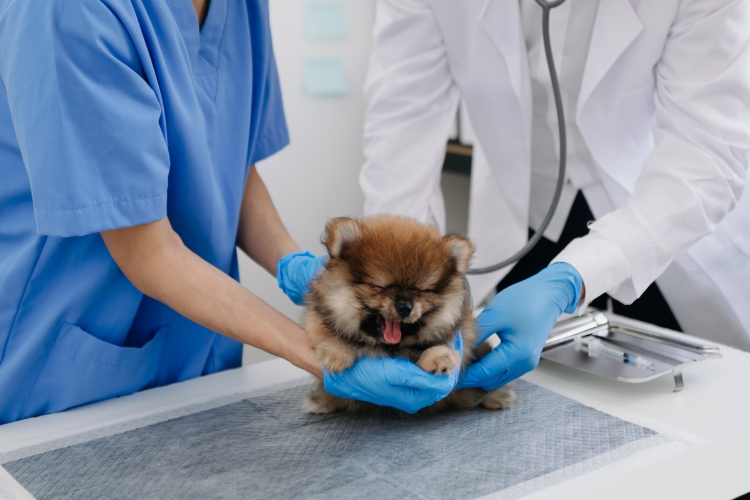
Welcoming a new pet into your home is joyful and life-changing, but it comes with responsibility and commitment. Every wag, purr, or playful leap brings happiness, but it also reminds you that your pet depends on you for care and protection. The first year is especially important as it sets the foundation for your pet’s long-term health and behavior.
Many new owners feel unsure about what to do and when to do it, which is completely normal. Having a clear plan makes everything easier and less stressful. This new pet parent guide will walk you through a simple, practical timeline to help you give your pet the healthiest possible start in life.
Why Preventive Care Matters in the First Year
Preventive care is not just about avoiding illness, but also about building a strong, happy, and active life for your pet. The first year is when your pet grows rapidly and develops both physically and emotionally. Regular checkups, vaccinations, and early habits help prevent serious health issues later.
When you follow a structured approach, you reduce the chances of unexpected problems. You also create a routine that your pet becomes comfortable with over time. Understanding what is included in preventive pet care helps you stay confident and proactive instead of reactive.
A thoughtful care plan also strengthens the bond between you and your pet. When your pet feels safe and cared for, they become more trusting and well-adjusted, which leads to better behavior, easier training, and a happier home environment for everyone.
The First 30 Days: Settling In and Initial Care
The first month is all about helping your pet adjust to their new surroundings. Everything is new to them, including smells, sounds, and routines. During this time, your goal should be to create a safe, calm environment while establishing basic care practices.
You should schedule your first veterinary visit within the first week, so the vet can check your pet’s overall health and identify any early concerns. It is also the time to discuss nutrition, vaccination schedules, and parasite prevention.
Important steps during the first month include:
- Initial health check: This visit ensures your pet is healthy and helps detect any hidden issues early.
- Diet planning: Feeding the right food supports growth, energy levels, and proper development.
- Basic training starts: Use simple commands and routines to help your pet feel secure and confident.
- Safe environment setup: Remove hazards and create a comfortable resting space for your pet.
These early actions may seem small, but they play a big role in shaping your pet’s future behavior and health.
Months 2 to 4: Vaccinations and Early Development
This stage is one of the most important periods in your pet’s life. Your pet’s immune system is still developing, so vaccinations are essential to protect them from serious diseases. The veterinarian will guide you through the appropriate schedule based on your pet’s age and lifestyle.
During this time, your pet is also learning quickly. Socialization is key, as it helps your pet become comfortable with people, sounds, and new experiences. Positive exposure reduces fear and anxiety later in life.
Focus areas during this stage include:
- Core vaccinations: These protect against common and dangerous diseases to which young pets are vulnerable.
- Deworming treatments: Regular treatments help prevent internal parasites that can affect growth and health.
- Socialization activities: Introduce your pet to safe environments, friendly people, and gentle handling.
- Routine establishment: Feeding, sleeping, and play routines help your pet feel stable and secure.
Following a consistent preventive pet care schedule during this time ensures your pet builds strong immunity and confidence.
Months 4 to 6: Growth Monitoring and Behavioral Training
As your pet continues to grow, their personality becomes more noticeable. At this stage, habits begin to form, both good and bad. Regular veterinary visits help track growth and ensure your pet is developing properly.
Behavioral training becomes more structured during this time. Teaching commands, setting boundaries, and reinforcing positive actions are all important to prevent unwanted behaviors from becoming permanent.
Key priorities for this phase include:
- Growth tracking: Monitoring your pet’s weight and development helps ensure they stay on a healthy path.
- Teething care: Providing safe chew options helps reduce discomfort and protects your belongings.
- Behavior correction: Gentle training methods guide your pet toward positive habits.
- Flea and tick prevention: External parasites can cause discomfort and health problems if not controlled.
Months 6 to 9: Strengthening Health and Routine
By this time, your pet is more active and curious; their energy levels may increase, and they may test boundaries more often. It is a natural part of development and requires your patience and consistency.
Veterinary visits during this stage often include booster vaccinations and continued preventive treatments. These help maintain protection against diseases and parasites.
Focus areas include:
- Booster vaccinations: These strengthen your pet’s immunity and ensure long-term protection.
- Exercise routines: Regular activity supports physical health and reduces unwanted behavior.
- Nutritional adjustments: Diet changes may be needed as your pet grows and becomes more active.
- Dental care introduction: Early dental habits help prevent future oral health issues.
Maintaining a routine during this stage helps your pet feel secure and reduces stress. It also makes it easier for you to manage your pet’s needs.
Months 9 to 12: Preparing for Adulthood
As your pet approaches their first birthday, they begin transitioning into adulthood, which focuses on maintaining health and reinforcing all the good habits developed earlier.
The veterinarian may recommend certain procedures or evaluations based on your pet’s breed, size, and health history. It is also a good time to review your pet’s overall care plan and make adjustments if needed.
Important considerations include:
- Health assessment: A full checkup ensures your pet is on track for a healthy adult life.
- Spaying or neutering discussion: It can help prevent certain health issues and behavioral concerns.
- Long-term care planning: Establish a routine for annual checkups and ongoing preventive care.
- Lifestyle evaluation: Adjust diet and exercise based on your pet’s activity level and needs.
This stage completes your pet’s first year of pet care journey and sets the tone for a lifetime of wellness.
Building a Simple New Pet Owner Checklist
Having a clear checklist can make your responsibilities easier to manage. It ensures you do not miss important steps and helps you stay organized throughout the year.
Here is a simple new pet owner checklist to guide you:
- Schedule regular veterinary visits and follow recommended timelines carefully.
- Keep vaccination records updated and easily accessible for future reference.
- Provide balanced nutrition that matches your pet’s age and activity level.
- Maintain parasite prevention with regular treatments as advised.
- Practice consistent training to build positive behavior patterns.
- Monitor changes in appetite, energy, or behavior to detect issues early.
- Create a safe and clean environment for your pet at all times.
This checklist acts as a helpful reminder and keeps you on track as a responsible pet parent.
Common Mistakes New Pet Parents Should Avoid
Even with the best intentions, new pet parents can make mistakes that affect their pet’s health. Being aware of these can help you avoid unnecessary stress and problems.
Some common mistakes include skipping early vet visits, delaying vaccinations, or ignoring small behavioral issues. These may seem minor at first, but they can lead to bigger challenges later.
Another common issue is inconsistent routines. Pets thrive on predictability, and sudden changes can cause confusion or anxiety. Overfeeding or providing the wrong type of food can also affect your pet’s health and growth.
By staying informed and following a structured plan, you can avoid these mistakes and provide better care for your pet.
A Strong Foundation Means a Healthier Tomorrow
The first year of your pet’s life is filled with growth, learning, and bonding. Every step you take during this time shapes your pet’s future health and happiness. By following a clear timeline and staying consistent, you create a strong foundation that benefits both you and your pet for years to come.
If you want guidance on preventive care near you, contact White Oak Veterinary Clinic for advice or to schedule a visit. Ensure your pet receives the right care at every stage of their journey.
FAQs
1. How often should I take my new pet to the vet in the first year?
You should visit the veterinarian several times during the first year, especially for vaccinations and growth monitoring. The exact number of visits depends on your pet’s age and health needs.
2. When should I start training my new pet?
Training should begin as soon as your pet arrives home. Early training helps establish good behavior and builds trust between you and your pet.
3. What vaccinations does my pet need in the first year?
Core vaccinations are given in a series during the first few months. The veterinarian will provide a schedule based on your pet’s specific requirements.
4. How can I tell if my pet is healthy?
A healthy pet usually has a good appetite, normal energy levels, and a shiny coat. Any sudden changes should be discussed with the veterinarian.
5. Is preventive care really necessary for indoor pets?
Yes, preventive care is important for all pets, including indoor ones. They can still be exposed to parasites or health issues that require attention.