

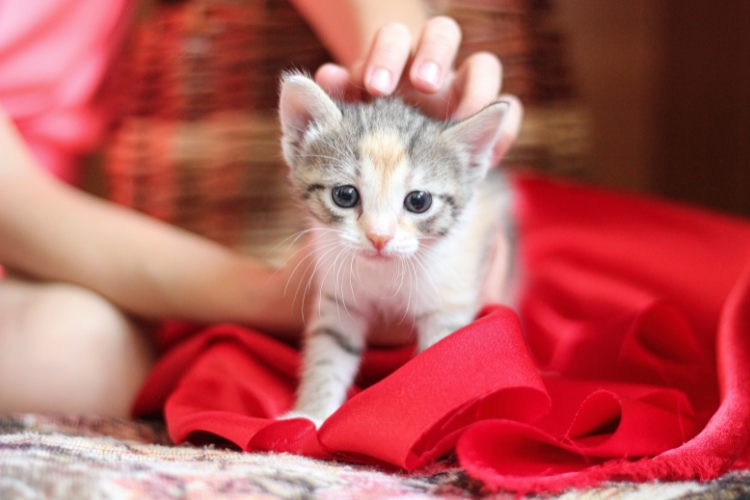
Bringing a kitten into your home is an exciting and joyful experience, but it also comes with a lot of responsibilities. From feeding and vaccinations to training and socialization, the first year of a kitten’s life is crucial for their overall well-being and development. Proper kitten care during this time can set the foundation for a happy, healthy adult cat. As a new kitten parent, you might feel overwhelmed with the amount of information out there, but don’t worry — we’re here to help! This comprehensive kitten care guide will provide you with essential information to keep your kitten healthy and thriving during their first year.
This blog is especially for kitten owners in White Oak, PA, who want to understand how to take care of their new furry friends in a way that promotes lifelong health and happiness. Whether you’re a first-time kitten parent or have experience with cats, this guide will provide expert tips approved by veterinarians.
1. Preparing for Your Kitten’s Arrival
The first step in kitten care is preparing your home for your new kitten. This is essential to ensure that your kitten feels safe and comfortable in their new environment.
Key Preparations:
- Create a Safe Space: Set up a designated area in your home where your kitten can explore and settle in. This should be a quiet room with a cozy bed, food and water bowls, a litter box, and some toys to keep them entertained.
- Kitten-Proof Your Home: Just like a baby, kittens are naturally curious and get into everything. Make sure to remove any hazards like small objects that could be swallowed, electrical cords, and toxic plants.
- Gather Supplies: Ensure that you have all the necessary supplies ready, including a scratching post, litter box, food and water dishes, kitten food, and grooming tools. Having these items ready will help your kitten adjust quickly.
By setting up a kitten-friendly environment, you can help ease the transition for your new kitten, allowing them to feel at home in no time.
2. Feeding Your Kitten
Proper nutrition is vital for your kitten’s growth and development during the first year. Kittens grow rapidly and need a diet that supports their energy and development.
What to Feed Your Kitten:
- Kittens Under 8 Weeks: If your kitten is under 8 weeks old, they need to be bottle-fed with kitten milk replacement (KMR). Regular cow’s milk should be avoided, as it can upset their stomach.
- Kittens Over 8 Weeks: At around 8 weeks, your kitten can begin to eat solid food. Look for high-quality kitten food that is rich in protein and fat, which is essential for their growth. You can feed both wet and dry food, but wet food helps with hydration.
Feed your kitten 3-4 times a day for the first few months. As your kitten grows, you can gradually reduce the frequency of meals. Always provide fresh water to keep them hydrated and prevent dehydration.
3. Litter Training Your Kitten
Litter training is one of the first tasks you’ll tackle as a new kitten parent. Luckily, most kittens instinctively know how to use a litter box. However, they may need a little guidance as they get used to their new environment.
Tips for Litter Training:
- Choose the Right Litter: Start with a non-clumping, soft litter that’s gentle on your kitten’s paws. As they grow older, you can switch to clumping litter, which is easier to clean.
- Clean the Litter Box Regularly: Kittens are clean creatures and won’t want to use a dirty litter box. Scoop the litter box daily to keep it fresh.
- Positive Reinforcement: When your kitten uses the litter box, reward them with praise or a small treat. Positive reinforcement will encourage them to use the box consistently.
With consistency and patience, your kitten will quickly learn to use the litter box on their own.
4. Vaccinations and Veterinary Visits
Regular veterinary visits and vaccinations are essential components of kitten care. Vaccinations protect your kitten from common diseases, including feline distemper, herpesvirus, and calicivirus. Your veterinarian will help you develop a vaccination schedule for your kitten, ensuring that they stay healthy as they grow.
Important Vaccinations for Kittens:
- FVRCP (Feline Viral Rhinotracheitis, Calicivirus, and Panleukopenia): This vaccine is typically administered in a series of shots and is essential for protecting your kitten from respiratory and gastrointestinal infections.
- Rabies Vaccine: Your kitten will receive the rabies vaccine around 12 to 16 weeks of age, which is required by law in many areas.
In addition to vaccinations, your veterinarian will perform routine health checks to ensure that your kitten is growing at a healthy rate. You should also schedule a deworming appointment, as kittens are susceptible to intestinal parasites.
Regular Veterinary Visits:
- First Check-up: The first veterinary check-up should happen within a few days of bringing your kitten home. The vet will check for any signs of illness and start the vaccination series.
- Wellness Exams: Schedule annual wellness exams after the initial check-ups to ensure your kitten stays healthy as they grow.
5. Socializing Your Kitten
Proper socialization is crucial for raising a well-adjusted adult cat. Socializing your kitten early on helps them become comfortable with other animals, people, and different environments, reducing the risk of anxiety or aggression later in life.
How to Socialize Your Kitten:
- Introduce New Experiences Gradually: Gently expose your kitten to various sounds, people, and pets. Positive interactions with new experiences will help them become well-adjusted.
- Handle Your Kitten Often: Spend time petting, holding, and playing with your kitten each day. This builds trust and helps them get used to human touch.
- Meet Other Pets and People: If you have other pets, introduce them to your kitten slowly and carefully. Likewise, allow your kitten to meet new people in a calm environment.
The more experiences your kitten has, the more adaptable and confident they will be as they grow.
6. Grooming Your Kitten
While kittens are generally low-maintenance, regular grooming helps to keep them clean and comfortable. It also provides an opportunity to check for any skin issues or parasites, such as fleas or ticks.
Grooming Tips:
- Brushing: Start brushing your kitten’s coat early to get them used to it. Use a soft brush suitable for their fur type to avoid irritation.
- Nail Trimming: Trim your kitten’s nails every 2-3 weeks. Introduce them to nail trimming slowly and gently to avoid stress.
- Bathing: Kittens don’t usually need regular baths unless they get dirty. If your kitten requires a bath, use a kitten-safe shampoo.
Getting your kitten accustomed to grooming will make it easier for them as they grow older.
7. Training Your Kitten
Training your kitten is essential for establishing good habits and promoting positive behaviors. The earlier you start, the easier it will be.
Training Tips:
- Litter Box Training: As mentioned earlier, litter training is one of the first things to focus on. Consistency is key, and rewarding your kitten when they use the box is important.
- Basic Commands: You can start teaching your kitten simple commands like “sit” or “stay” using treats and positive reinforcement.
- Scratching Posts: Kittens naturally want to scratch, so providing scratching posts will help protect your furniture while encouraging healthy behavior.
Taking care of a kitten during their first year is essential to their health and well-being. By following these tips for kitten care, you can provide a strong foundation for your kitten’s future and ensure that they grow into a healthy, well-adjusted adult cat. If you’re in White Oak and looking for expert kitten care near you, schedule an appointment with White Oak Veterinary Clinic. Our veterinary team is dedicated to providing the best care for your kitten, from vaccinations and health check-ups to training and socialization. Schedule an appointment with us today to ensure your kitten receives the care they need to thrive.
FAQs
1. When can I bring my kitten home?
You can typically bring your kitten home at 8-12 weeks of age, after they are fully weaned and ready for socialization and training.
2. What should I feed my kitten?
Feed your kitten high-quality kitten food that’s rich in protein and essential nutrients. Consult with your veterinarian for food recommendations specific to your kitten’s needs.
3. How often should I feed my kitten?
Kittens need 3-4 meals a day for the first few months. As they grow, you can reduce the number of meals to 2 per day, but always provide fresh water.
4. How do I know if my kitten is sick?
Signs of illness include lethargy, loss of appetite, diarrhea, vomiting, or coughing. If your kitten shows any of these symptoms, contact your veterinarian.
5. When should I spay or neuter my kitten?
Kittens should be spayed or neutered around 5-6 months of age. This helps prevent unwanted litters and can improve their long-term health.
6. How do I socialize my kitten?
Gradually expose your kitten to new environments, people, and other pets. Positive interactions will help them become comfortable and well-adjusted.