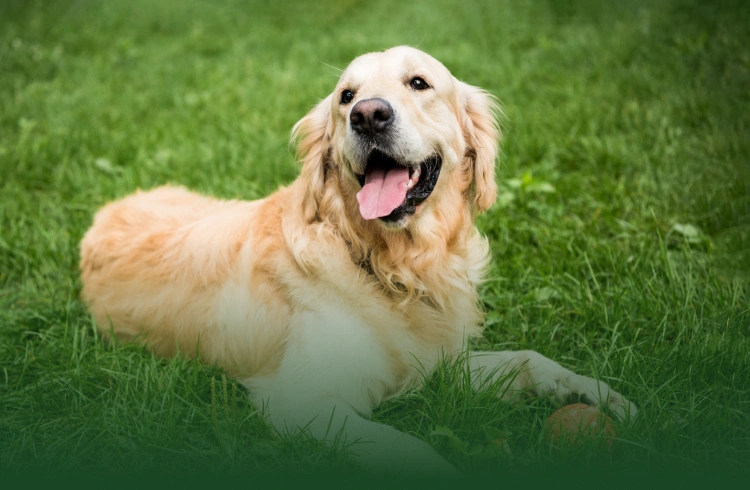
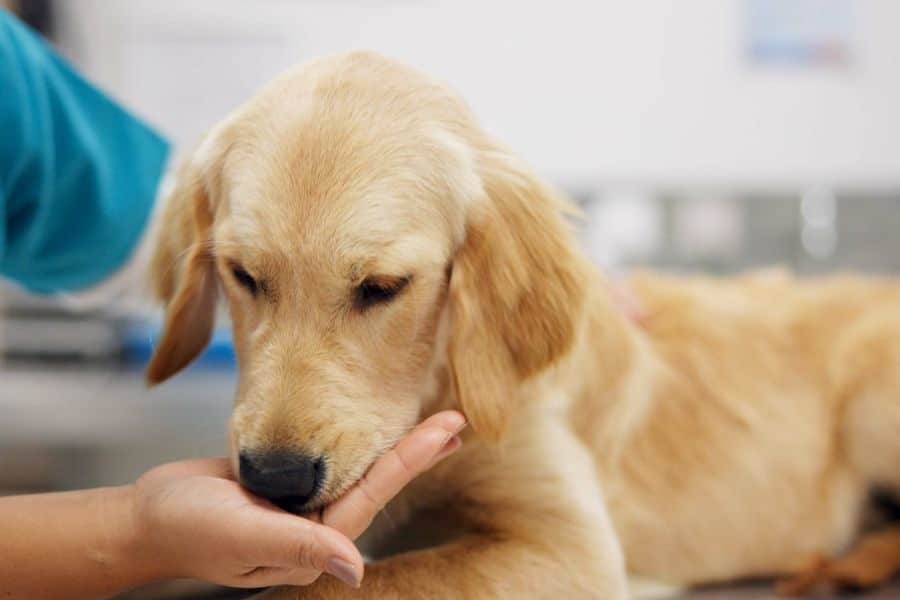
Dogs are experts at making life look normal even when something inside their bodies is beginning to change. Your dog may still greet you at the door, enjoy a walk, and finish most meals while experiencing an early health concern that is difficult to notice at home. This is one reason preventive pet care is such an important part of maintaining your dog’s health throughout every stage of life.
Regular veterinary visits allow subtle changes to be identified before they become more difficult to manage. A veterinarian can compare your dog’s current condition with previous examinations, listen for changes in the heart and lungs, assess body condition, evaluate movement, and recommend diagnostic testing when appropriate. For families in White Oak, routine veterinary care provides an opportunity to keep track of small changes that may otherwise go unnoticed.
Why Dogs Can Hide Health Changes
Dogs do not always communicate discomfort or illness in obvious ways. Some animals naturally remain active despite physical problems, while others gradually adjust their behavior to accommodate changes in their bodies.
For example, a dog with developing joint discomfort may still walk but become less interested in climbing stairs. A dog experiencing dental discomfort may continue eating but chew more slowly. Changes in kidney or metabolic function may initially produce few visible signs.
Because these changes can be gradual, pet owners may assume they are simply part of aging or a temporary difference in behavior. A veterinarian, however, can look at these changes in the context of the dog’s overall health and previous records.
What Happens During Preventive Pet Care Visits
Preventive pet care involves more than checking whether your dog appears healthy. A veterinary appointment gives the veterinarian an opportunity to establish a detailed picture of your dog’s current condition.
During a routine visit, the veterinarian may assess your dog’s:
- Weight and body condition
- Heart and breathing
- Eyes and ears
- Teeth and gums
- Skin and coat
- Abdomen
- Muscles and joints
- Mobility and posture
- Behavior and general activity
- Overall physical condition
These observations can provide important clues. Even a small change from a previous visit may encourage the veterinarian to monitor a particular area more closely.
Weight Changes Can Provide Important Clues
Weight is one of the easiest health measurements to overlook at home, especially when changes occur slowly. A gradual increase may indicate that your dog’s diet, activity level, or metabolism needs attention. Unexplained weight loss can also deserve investigation.
Veterinarians do not look at weight alone. They evaluate body condition and muscle mass as well. Two dogs can weigh the same amount while having very different body compositions.
Tracking these measurements over time allows your veterinary team to recognize trends. A small change may not mean there is a serious problem, but a consistent pattern can provide a reason to investigate further.
Subtle Changes in Appetite and Drinking
Many pet owners notice appetite changes before other symptoms appear. Eating slightly less, eating more slowly, becoming selective about food, or suddenly showing unusual interest in food can all provide useful information.
Changes in water consumption can also be significant. If your dog begins drinking noticeably more or less than usual, it is worth mentioning during a veterinary appointment.
These observations do not identify a specific condition by themselves. They simply give the veterinarian additional information that can help determine whether further evaluation is appropriate.
Dental Health Can Affect Everyday Comfort
Dental problems can develop gradually. Dogs may continue eating even when their mouths are uncomfortable, which means obvious changes in appetite may not occur.
During a routine examination, the veterinarian can look for tartar buildup, gum changes, damaged teeth, oral irritation, and other abnormalities. Pet owners should also watch for signs such as bad breath, dropping food, chewing on one side, pawing at the mouth, or changes in eating habits.
Identifying oral changes early can help your veterinarian recommend appropriate care before discomfort interferes more significantly with your dog’s daily life.
Movement and Joint Changes May Be Easy to Miss
Dogs can adapt surprisingly well to gradual changes in mobility. Instead of refusing to walk, a dog with joint discomfort may simply walk more slowly or avoid certain activities.
You may notice that your dog hesitates before getting into the car, takes longer to stand up, avoids stairs, or no longer plays for as long as before.
A veterinarian can assess posture, gait, joints, and muscle condition during a physical examination. These observations can help distinguish normal changes from signs that deserve additional attention.
Skin and Coat Changes Can Reveal More Than Appearance
A dog’s skin and coat can provide useful clues about overall health. Changes such as persistent itching, hair loss, flaky skin, redness, unusual odor, or recurrent irritation may indicate that something needs closer evaluation.
Routine examinations allow veterinarians to notice changes that may be difficult to see beneath a thick coat. Your veterinarian can also discuss environmental factors, grooming habits, nutrition, and other possible contributors to skin changes.
Why Regular Records Matter
One of the major advantages of routine veterinary care is having a history to compare. A single examination provides information about your dog at one point in time. Repeated examinations create a health timeline.
For example, a dog’s weight, muscle condition, heart rate, laboratory values, or mobility may be compared with earlier records. A gradual trend may be more meaningful than one isolated observation.
This is particularly helpful as dogs get older. Regular monitoring can help your veterinarian recognize changes that might otherwise be attributed simply to aging.
When Diagnostic Testing May Be Recommended
A physical examination provides valuable information, but some health changes occur internally and cannot be confirmed through observation alone. If your veterinarian notices something unusual, diagnostic testing may be recommended.
Depending on the situation, testing may include bloodwork, urine analysis, digital radiography, ultrasound, or other laboratory evaluations. The veterinarian chooses testing based on the dog’s history, examination findings, age, symptoms, and individual needs.
The purpose is to answer a specific medical question and gain a clearer understanding of what may be happening inside your dog’s body.
Your Observations Matter Too
Veterinary visits are only one part of preventive care. You know your dog’s normal routines better than anyone, so your observations can provide valuable information.
Pay attention to changes in:
- Sleeping habits
- Appetite
- Water intake
- Bathroom habits
- Energy levels
- Walking patterns
- Play behavior
- Weight
- Grooming habits
- Interaction with family members
Keeping notes about unusual changes can make it easier to provide accurate information during an appointment. Even a change that seems minor may be worth mentioning.
Preventive Care Changes With Your Dog’s Age
A young dog’s health needs differ from those of an adult or senior dog. As your dog ages, routine monitoring becomes increasingly useful because the likelihood of age related changes can increase.
Your veterinarian can adjust recommendations according to your dog’s life stage, breed characteristics, lifestyle, medical history, and current condition.
Preventive care is therefore not a one size fits all plan. It should develop alongside your dog.
Supporting Your Dog’s Long Term Health
Preventive veterinary care is about paying attention before a problem becomes obvious. Regular examinations provide opportunities to identify changes in weight, mobility, appetite, dental health, skin condition, behavior, and other areas of your dog’s health.
For pet parents in White Oak, maintaining regular veterinary visits with White Oak Veterinary Clinic can help establish a consistent health record for your dog. When small changes are identified, your veterinarian can determine whether they require observation, diagnostic testing, lifestyle adjustments, or further care.
Your dog’s health is built on many small decisions. Regular examinations, attentive observation at home, appropriate nutrition, daily activity, and timely veterinary guidance can all contribute to a healthier and more comfortable life.
Schedule Preventive Care for Your Dog in White Oak
Have you noticed a subtle change in your dog’s appetite, energy, weight, movement, or behavior? Schedule an online appointment with White Oak Veterinary Clinic in White Oak to discuss your concerns.
Routine veterinary care can help your veterinary team establish a clear picture of your dog’s health and recognize changes over time. Contact White Oak Veterinary Clinic to book an appointment and make preventive care part of your dog’s regular health routine.
Frequently Asked Questions
Q1. How often should my dog have a routine wellness exam?
Ans: The appropriate schedule depends on your dog’s age, health history, lifestyle, and individual needs. Your veterinarian can recommend a visit schedule that fits your dog’s stage of life and ongoing health requirements.
Q2. Can preventive care find health problems before my dog shows symptoms?
Ans: Preventive care can help identify subtle changes through physical examinations, health history comparisons, and diagnostic testing when appropriate. Some internal problems may not produce obvious signs at home, so regular veterinary monitoring can provide valuable information.
Q3. What changes in my dog’s behavior should I tell my veterinarian about?
Ans: Mention changes such as reduced activity, unusual sleeping, hesitation with stairs, altered eating habits, increased drinking, changes in bathroom habits, increased hiding, or reduced interest in normal activities. Small changes can provide useful clues.
Q4. Does my dog still need routine veterinary care if they seem healthy?
Ans: Yes. Dogs can hide subtle health changes, and some conditions may develop without obvious outward symptoms. Routine examinations allow the veterinarian to monitor your dog’s health and compare current findings with previous records.
Q5. What can I do at home to support preventive care for my dog?
Ans: Monitor your dog’s weight, appetite, drinking, bathroom habits, activity, mobility, skin, coat, and behavior. Keep track of unusual changes and share them with your veterinarian during routine visits.