Bringing home a new puppy is exciting, but it also comes with responsibility. Your puppy depends on you for food, safety, training, and emotional support. The first year plays a major role in shaping your pet’s long-term health and behavior. Therefore, knowing what to expect can make the journey smoother and more rewarding.
From sleepless nights to playful mornings, every stage of your puppy’s growth matters. You will notice rapid changes in energy, habits, and personality. Because of this, a structured plan helps you stay on track and avoid common mistakes. This guide covers essential steps to help your puppy thrive during their first year.
This blog is especially helpful for pet parents in White Oak, PA, who want to give their puppy a healthy and confident start in life.
Understanding Your Puppy’s First Year
Your puppy’s first year includes several growth stages. Each phase requires different care and attention.
- 0 to 3 months: Rapid development, learning basic behaviors
- 3 to 6 months: Increased curiosity and teething begin
- 6 to 12 months: Stronger personality and more energy
During these stages, your puppy learns social skills, builds trust, and develops habits that can last a lifetime. Therefore, consistency in routines and training is essential.
Nutrition: Building a Strong Foundation
A balanced diet supports your puppy’s growth and energy levels. Puppies need food that contains the right mix of protein, fats, vitamins, and minerals.
Start by feeding high-quality puppy food recommended by your veterinarian. Additionally, maintain a consistent feeding schedule. Most puppies eat three to four times a day in the early months. As they grow, you can gradually reduce feeding frequency.
Avoid feeding table scraps, as they may upset your puppy’s digestion. Instead, choose healthy treats in moderation. Fresh water should always be available.
Training and Socialization: Start Early
Training should begin as soon as your puppy arrives home. Early training builds confidence and prevents behavioral issues later.
Focus on simple commands such as sit, stay, and come. Use positive reinforcement, including treats and praise, to encourage good behavior. Avoid punishment, as it can create fear and confusion.
Socialization is equally important. Introduce your puppy to different people, sounds, and environments. For example, short walks in safe areas or visits to pet-friendly parks can help your puppy adjust.
Veterinary Care: Staying Ahead of Health Issues
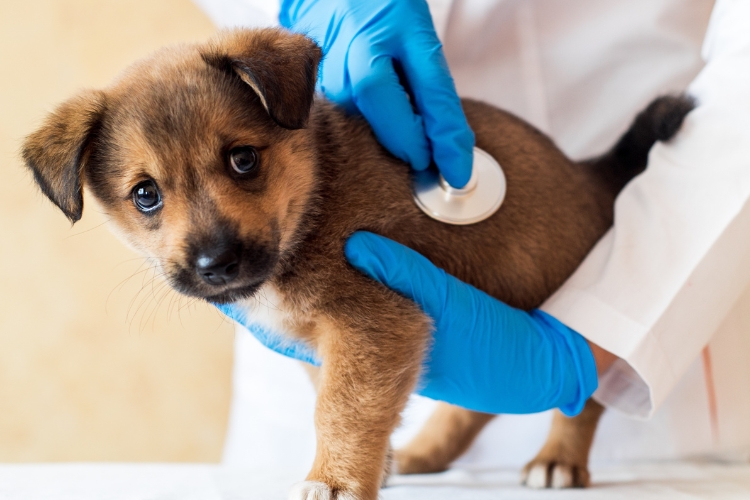
Regular veterinary visits ensure your puppy stays healthy. During the first year, your puppy will need vaccinations, parasite prevention, and routine checkups.
Vaccines protect against common diseases and should follow a schedule recommended by your veterinarian. Additionally, deworming and flea prevention are important to keep your puppy comfortable.
Routine exams also help detect early signs of health issues. As a result, your veterinarian can address concerns before they become serious.
Dental Health: Start Good Habits Early
Many pet owners overlook dental care, but it plays a key role in overall health. Begin brushing your puppy’s teeth early so they become comfortable with the routine.
Use a toothbrush and toothpaste designed for pets. In addition, dental chews can help maintain oral hygiene. Healthy teeth support proper eating and prevent discomfort.
Exercise and Play: Keeping Your Puppy Active
Puppies have a lot of energy, so daily exercise is essential. Regular activity keeps your puppy physically fit and mentally stimulated.
Short walks, playtime, and interactive toys help burn energy. However, avoid overexertion, especially in young puppies. Their joints are still developing, so gentle activities are best.
Playtime also strengthens your bond. Whether it is a game of fetch or tug-of-war, these moments build trust and connection.
Grooming: More Than Just Appearance
Grooming helps maintain your puppy’s health and comfort. Regular brushing removes loose fur and prevents matting. It also keeps the coat clean and shiny.
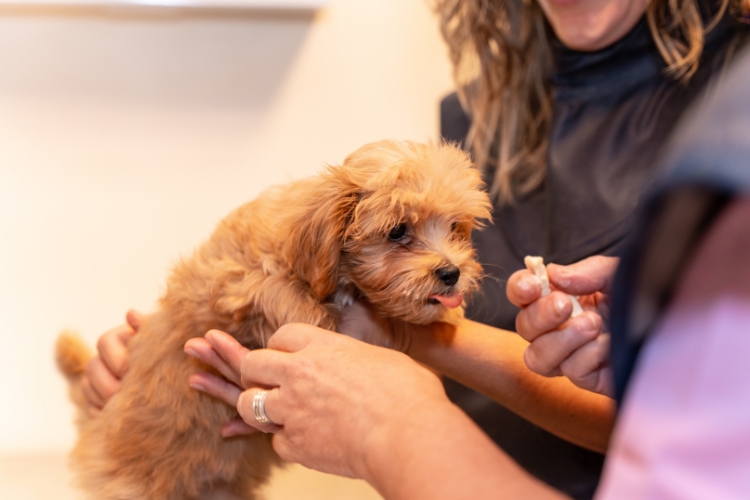
Bathing should be done as needed using a gentle pet shampoo. In addition, nail trimming and ear cleaning are important parts of grooming. These routines help prevent infections and discomfort.
Start grooming early so your puppy becomes familiar with the process. This makes future grooming sessions easier and stress-free.
Creating a Safe Home Environment
Your home should be a safe space for your puppy. Remove items that could be harmful, such as electrical cords, small objects, or toxic plants.
Use baby gates if needed to limit access to certain areas. Provide a comfortable bed where your puppy can rest. Crate training can also help create a secure space for your pet.
Consistency in your home environment helps your puppy feel safe and confident.
Managing Behavior Challenges
Puppies often display behaviors like chewing, barking, or jumping. These actions are normal but need guidance.
For example, provide chew toys to redirect chewing. Teach your puppy what is acceptable and what is not. Consistency is key in correcting unwanted behavior.
Patience and repetition will help your puppy learn over time. Avoid reacting harshly, as this can create anxiety.
Building a Routine
A daily routine helps your puppy feel secure. Set regular times for feeding, walks, training, and sleep.
Predictability reduces stress and helps your puppy adjust quickly. Over time, your pet will learn what to expect, making daily life easier for both of you.
Why Professional Guidance Matters
While home care is important, professional support ensures your puppy receives complete care. Veterinary teams provide guidance tailored to your pet’s specific needs.
At White Oak Veterinary Clinic, the focus is on preventive care, early detection, and personalized support. This approach helps your puppy grow into a healthy and well-adjusted adult dog.
Your puppy’s first year is full of learning and growth. With proper nutrition, training, and medical care, you can set the stage for a lifetime of health and happiness. Small daily efforts make a big difference over time.
If you’re in White Oak and looking for puppy care near you, schedule an appointment with White Oak Veterinary Clinic. Our veterinary team is here to guide you through every stage of your puppy’s journey and help your pet thrive.
FAQs
1. How often should I take my puppy to the vet in the first year?
Puppies usually need multiple visits during their first year for vaccinations, checkups, and preventive care. Your veterinarian will create a schedule based on your puppy’s age, breed, and health needs.
2. When should I start training my puppy?
You can begin training as soon as your puppy comes home. Early training helps build good habits and prevents unwanted behaviors from developing later.
3. What is the best diet for a growing puppy?
A balanced puppy-specific diet is ideal. It should include essential nutrients that support growth, energy, and overall health. Your veterinarian can recommend the right option.
4. How do I handle teething in puppies?
Provide safe chew toys to ease discomfort during teething. Avoid giving items that could break or harm your puppy’s teeth. Consistent supervision is important.
5. How much exercise does a puppy need?
Puppies need short, frequent play sessions rather than long workouts. Activity should match their age and energy level to avoid strain on developing joints.
6. Why is socialization important for puppies?
Socialization helps puppies become confident and well-behaved. Exposure to different people, environments, and sounds reduces fear and improves adaptability.