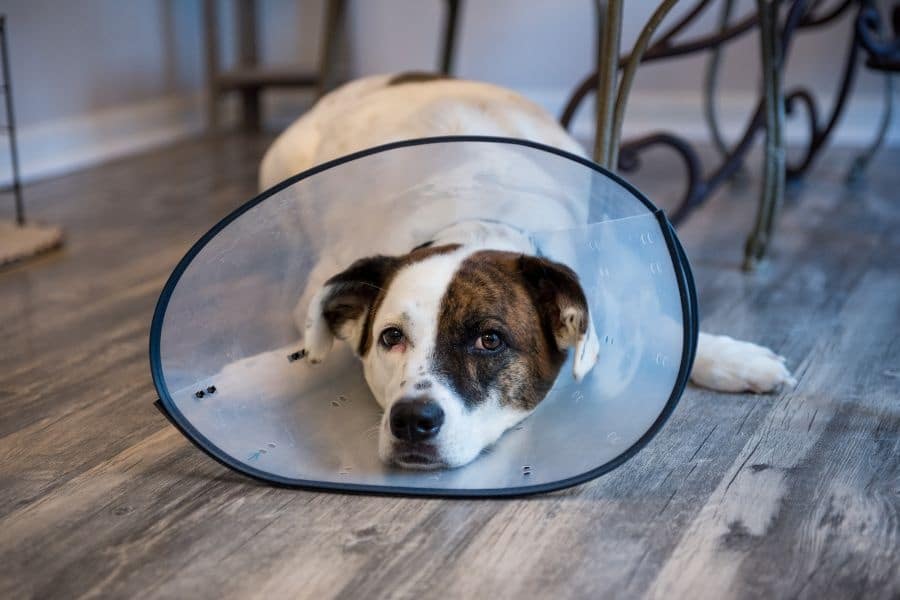
Your pet comes home after a procedure. The veterinary team gives you care instructions. You have medications ready. You have a quiet place prepared for rest.
Then your pet starts acting differently.
Maybe your dog keeps getting up and lying down. Maybe your cat hides under the bed. Your pet may eat less, pant more, or hold the body in an unusual position. You may start wondering, “Is my pet hurting?”
Pets cannot tell us where they hurt or how much discomfort they feel. They also tend to hide signs of pain. This makes careful observation an important part of recovery.
Knowing the signs of pain after pets surgery can help you notice changes early and know when to contact your veterinary team.
Why Pets May Hide Pain
Animals naturally tend to hide weakness. This behavior can make pain difficult to recognize.
A pet may not cry or limp even when something hurts. Instead, the changes can be small.
Your pet may simply behave differently from normal.
That is why you should compare your pet’s behavior after a procedure with their usual habits. You know how your pet normally sleeps, eats, walks, interacts, and rests.
A change from that normal pattern can provide useful information.
Watch for Changes in Behavior
Behavior often gives the first clue that a pet is uncomfortable.
Look for changes such as:
- Hiding more than usual
- Avoiding family members
- Becoming unusually quiet
- Acting restless
- Repeatedly changing sleeping positions
- Whining or vocalizing
- Becoming unusually irritable
- Avoiding touch
- Showing less interest in normal activities
- Staying in one location for long periods
Some pets become clingy after a procedure. Others become more withdrawn.
Neither response should automatically be considered normal or abnormal. What matters is the overall pattern and whether the behavior is different from what you usually see.
Restlessness Can Be a Sign of Discomfort
A pet that cannot settle may be uncomfortable.
You may notice your dog walking around the room, getting into bed, getting back up, and repeating the process. A cat may move between resting areas without appearing relaxed.
Restlessness can have several causes, including stress, medication effects, the need to urinate, or discomfort.
Keep track of when the behavior occurs.
If restlessness continues, becomes stronger, or appears alongside other concerning changes, contact the veterinary clinic for guidance.
Pay Attention to Breathing and Panting
Panting after a procedure can happen for different reasons. Dogs may pant because they are warm, anxious, excited, or uncomfortable.
Heavy panting while resting deserves attention.
Look for breathing that seems different from your pet’s normal pattern. Also notice whether panting occurs without activity, heat, or obvious excitement.
Cats can show discomfort differently. A cat may breathe differently, become very still, or avoid interaction.
Do not assume that every change in breathing is caused by pain. Contact your veterinary team if you are concerned about your pet’s breathing.
Posture Can Tell You a Lot
Pets often change the way they hold their bodies when something hurts.
Possible signs include:
- A hunched back
- A lowered head
- A tucked tail
- Stiff movement
- Keeping the body very still
- Avoiding certain positions
- Difficulty lying down
- Difficulty getting up
- Keeping weight away from a particular area
These signs can be subtle.
For example, a dog may stand differently after abdominal surgery because certain movements feel uncomfortable. A cat may remain tightly curled or avoid stretching.
Take note of what you see and tell your veterinarian.
Appetite Changes Matter
A reduced appetite can occur after some procedures. Stress, medication, anesthesia effects, and changes in routine can all influence eating.
Still, appetite should be monitored closely.
Notice how much your pet eats and drinks compared with normal.
You can also watch for:
- Refusing favorite foods
- Eating much more slowly
- Dropping food
- Walking away from the bowl
- Showing interest in food but not eating
- Drinking less than usual
- Vomiting or repeated nausea
If your pet is not eating or drinking as instructed by your veterinary team, contact the clinic for advice.
Do not force food or water unless your veterinarian specifically tells you to do so.
Grooming Changes in Cats
Cats are particularly good at hiding discomfort.
A cat that normally spends a lot of time grooming may suddenly stop. Another cat may repeatedly lick one area of the body.
Both changes can be important.
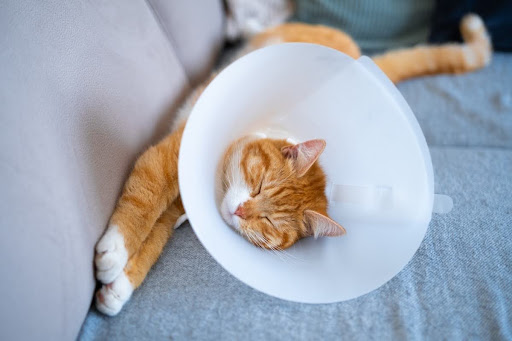
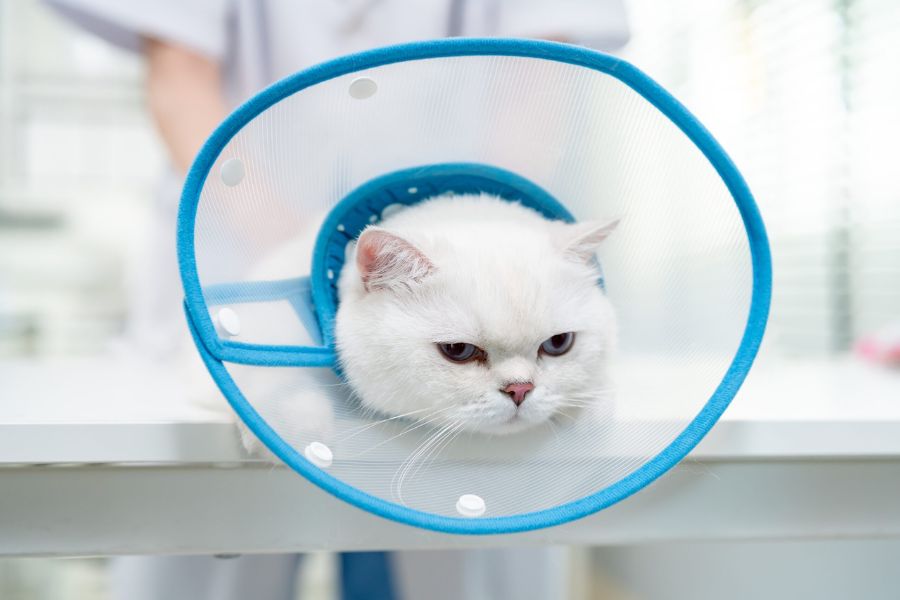
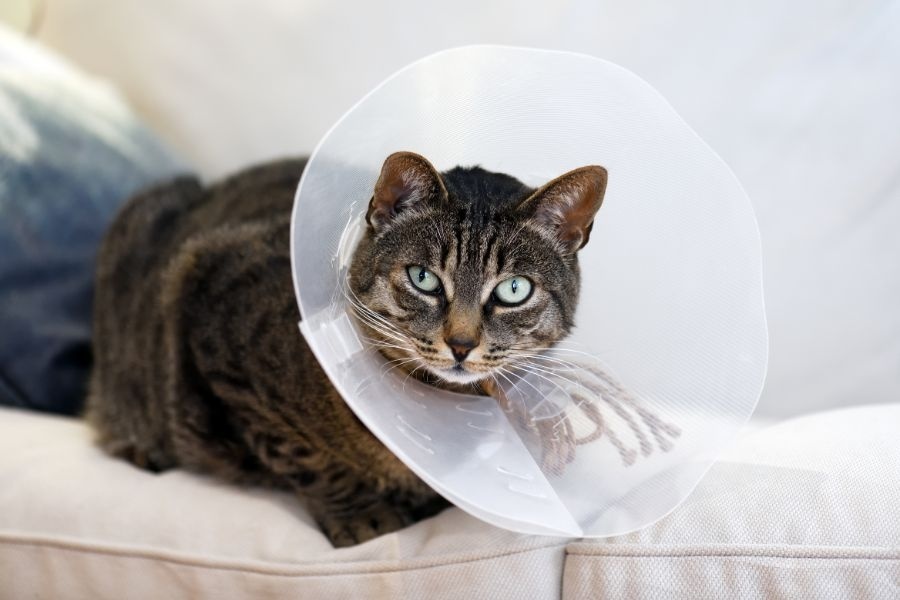
During recovery, follow the clinic’s instructions about preventing your cat from licking or disturbing an incision.
These cat recovery comfort tips can help:
- Keep the recovery area quiet
- Provide clean and comfortable bedding
- Keep food and water easy to reach
- Follow activity restrictions
- Prevent access to stairs or high furniture when instructed
- Give prescribed medications exactly as directed
- Watch the incision as recommended
- Keep other pets from disturbing the recovering cat
Your cat may prefer privacy during recovery. Give them space while still checking on them regularly.
Medication Should Be Given Exactly as Directed
One of the most important parts of managing pet pain at home safely is following the medication instructions provided by your veterinary team.
Give prescribed medication at the correct dose and schedule.
Never give human pain medicine unless a veterinarian specifically tells you to do so. Some medications that are safe for people can be dangerous for pets.
Do not change the dose because you think your pet needs more or less relief.
If your pet spits out medication, vomits after receiving it, or seems unusually sleepy after a dose, contact the veterinary clinic for instructions before making changes.
Keep a Simple Recovery Log
A simple written record can make recovery easier to monitor.
You can record:
- Food intake
- Water intake
- Bathroom habits
- Medication times
- Activity level
- Sleeping habits
- Pain related behaviors
- Incision appearance
- Any unusual behavior
This information can help you notice trends.
For example, your pet may seem comfortable in the morning but become restless several hours later. A recovery log can help your veterinary team understand the timing of these changes.
You can also take short videos of unusual behavior. A video may show your veterinarian something that does not happen during an appointment.
Know When to Contact Your Veterinary Team
Do not wait until a small concern becomes a major concern.
Contact your veterinary team if you notice a significant change in your pet’s recovery or if you are unsure whether a symptom is expected.
Pay particular attention to:
- Increasing pain or restlessness
- Significant changes in appetite or drinking
- Repeated vomiting
- Difficulty breathing
- Extreme weakness
- Trouble standing or walking
- Significant changes around the incision
- Persistent vocalization
- Unusual behavior that concerns you
Your veterinary team knows the procedure your pet received and can provide advice based on the specific recovery plan.
Good Surgical Care Continues at Home
Surgical Care for Pets does not end when your pet leaves the clinic.
The home recovery period matters just as much. A calm environment, proper medication use, restricted activity when required, and careful observation can support healing.
Do not compare your pet’s recovery with another animal’s experience. Recovery depends on the procedure, age, health, medications, and individual response.
Your job is simple. Know your pet’s normal behavior. Watch for changes. Follow the instructions. Ask questions when something does not seem right.
Schedule a Recovery Checkup
If your pet recently had a procedure and you are unsure about their comfort level, White Oak Veterinary Clinic can help you understand what you are seeing.
Schedule an online appointment or request a follow up visit to discuss changes in appetite, activity, behavior, medication response, or incision care.
If you have questions about your pet’s recovery, contact the veterinary team directly. Early communication can help you manage recovery with greater confidence and keep your pet’s care on the right track.
Frequently Asked Questions
Q1. How can I tell if my pet is in pain after surgery?
Ans: Watch for changes from your pet’s normal behavior. Restlessness, hiding, unusual vocalization, heavy panting, changes in posture, reduced appetite, and reluctance to move can indicate discomfort. Not every sign means pain, so consider the full picture and contact your veterinary team if the behavior concerns you.
Q2. Is it normal for a pet to sleep a lot after a procedure?
Ans: Some pets may sleep more than usual while recovering. Medication effects, stress, and the procedure itself can influence energy levels. Your pet should still be monitored for other changes. If your pet is extremely difficult to wake, cannot stand, or seems to be getting worse, contact the veterinary clinic for guidance.
Q3. Should I give my pet extra pain medicine if they seem uncomfortable?
Ans: No. Never increase a prescribed dose without veterinary direction. The correct medication and amount depend on your pet’s size, health, procedure, and other medications. Giving extra medicine can create serious risks. Contact your veterinary team if you believe the prescribed plan is not providing enough comfort.
Q4. Why is my cat hiding after a procedure?
Ans: Hiding can occur because cats often prefer quiet spaces when stressed or uncomfortable. A temporary change may happen during recovery. Give your cat a calm area with easy access to essentials while continuing to monitor eating, drinking, bathroom habits, movement, and behavior. Persistent or worsening changes should be discussed with your veterinarian.
Q5. How long should I monitor my pet after surgery?
Ans: Careful monitoring should continue throughout the recovery period recommended by your veterinary team. The exact timeline depends on the procedure and your pet’s health. Follow all activity, medication, feeding, and incision care instructions. Keep watching for changes even when your pet starts acting more normal.