As a pet owner, ensuring that your pet is in the best health possible is one of your top priorities. Just like humans, pets are prone to illnesses and health conditions that, if not detected early, can lead to serious complications. This is where pet diagnostic care comes into play. Regular diagnostic checkups are essential for the early detection of health issues in pets, allowing for prompt treatment and better outcomes.
This blog, especially for pet owners in White Oak, PA, will explain why regular diagnostic care is crucial for your pet’s health and how it can make a significant difference in maintaining your pet’s well-being. From blood tests to imaging, we’ll cover the different types of diagnostic tools used by veterinarians and how they can help detect health problems before they become severe.
What is Pet Diagnostic Care?
Pet diagnostic care refers to a range of medical tests and procedures used by veterinarians to assess the health of your pet. These tests are designed to detect a variety of conditions, from infections to chronic diseases, before they manifest as obvious symptoms.
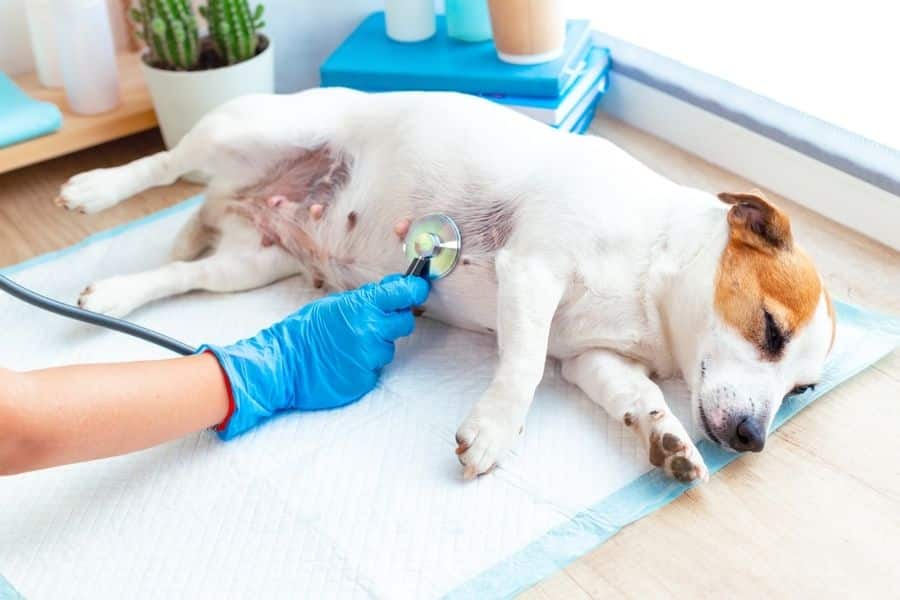
Diagnostic care typically includes physical exams, lab tests (like blood work or urine analysis), imaging (such as X-rays or ultrasounds), and sometimes specialized procedures like biopsies. Regular diagnostic exams are important because pets often hide their symptoms, making it difficult for pet owners to detect problems without professional help.
In addition to checking for common health issues like infections, parasites, or obesity, diagnostic care can also uncover chronic conditions such as heart disease, diabetes, kidney problems, or even cancer—conditions that can be life-threatening if left untreated. Early detection of these conditions gives your pet the best chance at a successful treatment and a better quality of life.
Why is Regular Diagnostic Care Important for Pets?
Early Detection of Health Problems
One of the biggest advantages of regular pet diagnostic care is the ability to catch health problems early. Pets are naturally skilled at hiding their discomfort, so symptoms may not be apparent until the problem has become serious. Regular check-ups and diagnostic tests help to identify potential issues before they escalate, allowing for more effective and less invasive treatment.
For example, a veterinarian can detect changes in your pet’s blood work that indicate the early stages of kidney disease or liver problems, even if your pet is not yet showing obvious symptoms. Identifying these issues early can prevent further damage and improve your pet’s prognosis.
Prevention of Chronic Diseases
Some pets are genetically predisposed to certain chronic diseases, such as arthritis, diabetes, or heart disease. By performing diagnostic tests regularly, veterinarians can monitor your pet’s overall health and intervene at the first sign of these conditions, helping prevent them from worsening.
For instance, through routine diagnostic care, veterinarians can detect elevated blood sugar levels in diabetic pets or early signs of joint inflammation in dogs and cats prone to arthritis. Early treatment, lifestyle changes, or medications can help keep these chronic diseases under control and improve your pet’s long-term quality of life.
Improved Longevity
The ultimate goal of regular pet diagnostic care is to help your pet live a longer, healthier life. By detecting problems early and managing health issues proactively, you can ensure that your pet has a higher chance of living a long and happy life. Regular check-ups allow your veterinarian to identify and address health concerns before they become life-threatening.
With the right diagnostic care, pets can experience improved pain management, better overall health, and even a longer lifespan, making regular vet visits essential for their well-being.
Common Diagnostic Tests for Pets
Veterinarians use a variety of diagnostic tools to evaluate your pet’s health. These tests help to uncover issues that may not be obvious through a simple physical exam. Here are some of the most common diagnostic procedures used in pet diagnostic care:
Blood Tests
Blood tests are essential for evaluating your pet’s organ function, immune system health, and overall well-being. A complete blood count (CBC) can detect signs of infection, anemia, or blood disorders, while biochemistry panels provide insights into your pet’s kidney, liver, and heart function. Blood tests are often part of routine check-ups, but they are also used to diagnose conditions like diabetes, thyroid disorders, and cancer.
Urinalysis
A urinalysis examines your pet’s urine to assess kidney function and detect urinary tract infections (UTIs), diabetes, or kidney disease. Urine samples can also provide valuable information about your pet’s hydration status, the presence of crystals or stones, and potential liver issues.
X-rays and Ultrasound
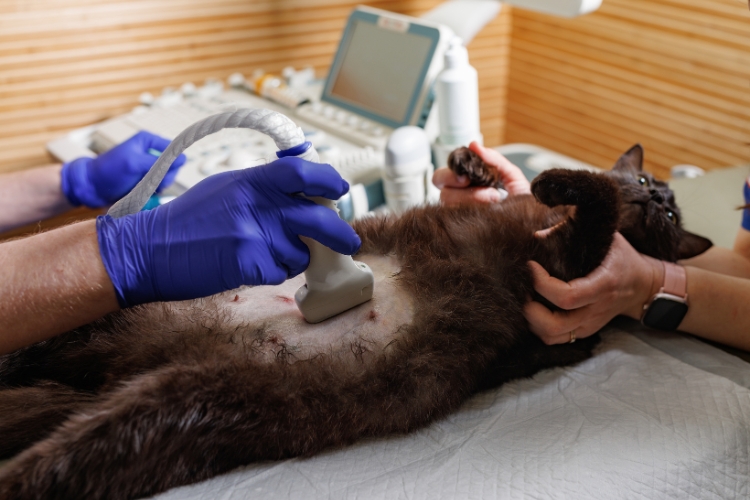
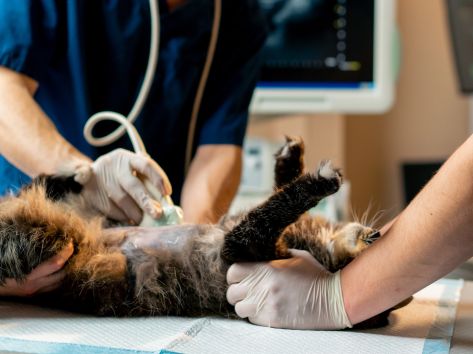
Imaging techniques like X-rays and ultrasound help veterinarians visualize internal organs, bones, and soft tissues. X-rays are commonly used to assess skeletal health, identify fractures, or monitor joint issues like hip dysplasia or arthritis. Ultrasound is particularly useful for assessing abdominal organs, such as the liver, kidneys, or heart, and can detect tumors, fluid build-up, or other internal issues.
Fecal Tests
Fecal exams are used to detect parasites, such as worms, in your pet’s digestive tract. Regular stool checks can identify gastrointestinal infections or parasites that may affect your pet’s overall health, especially in puppies and kittens.
What Happens During a Diagnostic Appointment?
During a diagnostic appointment, your veterinarian will start by performing a physical exam to check your pet’s overall health. Based on this exam, they may recommend specific tests to evaluate potential issues further.
For example, if your pet is showing signs of lethargy or weight loss, the veterinarian might suggest a blood test to check for conditions like anemia, kidney disease, or diabetes. If your pet is limping or has difficulty walking, X-rays or an ultrasound might be necessary to rule out fractures or joint issues.
Once your pet’s diagnostic tests are completed, your veterinarian will discuss the results with you and recommend a treatment plan if any health problems are identified.
How Often Should Pets Receive Diagnostic Care?
The frequency of pet diagnostic care depends on your pet’s age, breed, and health status. In general, healthy adult pets should have a check-up and diagnostic care at least once a year. For senior pets or those with known health issues, more frequent visits may be necessary.
Here’s a general guide for diagnostic care frequency:
- Kittens/Puppies: Monthly visits for vaccinations, parasite control, and general health monitoring.
- Adult Pets (1-7 years old): Annual check-ups and routine diagnostic tests like blood work and fecal exams.
- Senior Pets (7+ years old): Bi-annual check-ups, including more frequent diagnostic testing, such as blood work, urinalysis, and X-rays.
How to Help Your Pet Prepare for Diagnostic Tests
Preparing your pet for a diagnostic visit can help reduce anxiety and make the process smoother for both of you. Here are a few tips:
- Follow Instructions: Your veterinarian may give specific instructions, such as fasting before a blood test or bringing a stool sample. Be sure to follow them closely to ensure accurate results.
- Stay Calm: Pets can sense their owner’s emotions, so staying calm and relaxed will help them feel more at ease.
- Comfort: Bring your pet’s favorite blanket or toy to make them feel more comfortable during the visit.
Regular pet diagnostic care is essential to ensure that your pet stays healthy and happy throughout their life. By detecting potential health problems early, you can manage them more effectively and provide your pet with the best chance at a long, fulfilling life. Whether it’s a routine check-up or addressing a specific concern, diagnostic care is key to proactive pet health management.
At White Oak Veterinary Clinic, we are committed to providing your pet with the best possible care, including comprehensive diagnostic services. Contact us today to schedule an appointment for pet diagnostic care. Our veterinary team is here to ensure your pet stays healthy and happy.
FAQs
Q1. Why is pet diagnostic care important?
Ans. Diagnostic care helps detect health issues early, allowing for more effective treatment and better outcomes for your pet’s long-term health.
Q2. What types of diagnostic tests are commonly used for pets?
Ans. Common tests include blood work, urinalysis, fecal exams, X-rays, and ultrasounds. These tests help assess your pet’s overall health and detect potential issues.
Q3. How often should my pet receive diagnostic care?
Ans. Healthy adult pets should have annual check-ups, while senior pets or those with health concerns may need more frequent diagnostic tests.
Q4. What happens if my pet’s diagnostic test results show a health issue?
Ans. If health issues are detected, your veterinarian will discuss treatment options and develop a personalized care plan to address the condition.
Q5. Can I prepare my pet for diagnostic care at home?
Ans. Yes, following your vet’s instructions, such as fasting before a blood test or bringing a stool sample, will help ensure accurate results.
Q6. How can I keep my pet comfortable during diagnostic care?
Ans. Bring your pet’s favorite toy or blanket, stay calm, and follow your vet’s instructions to ensure your pet feels comfortable and relaxed during the visit.