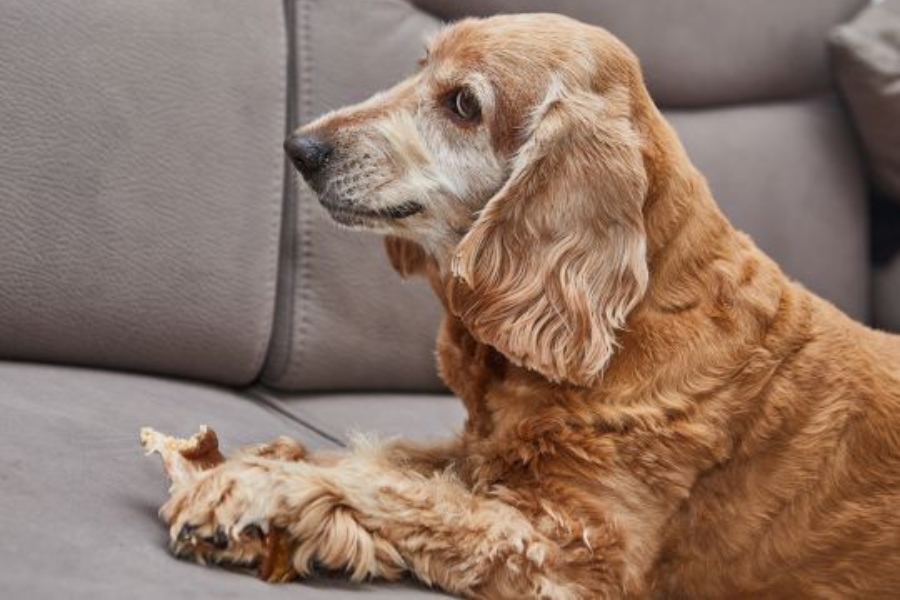
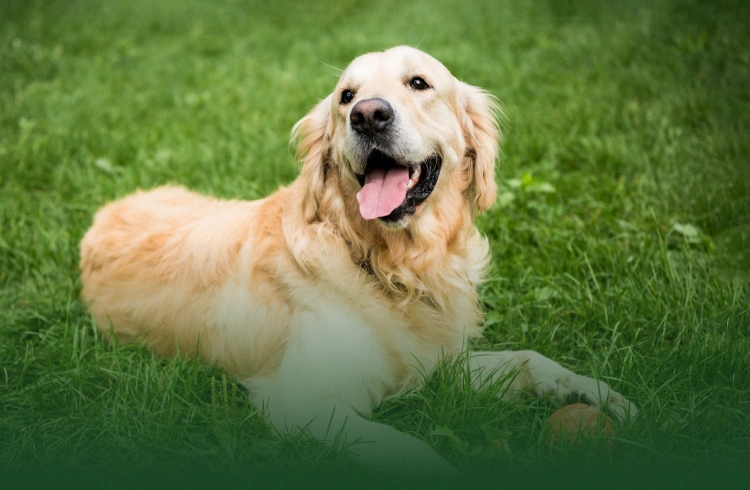
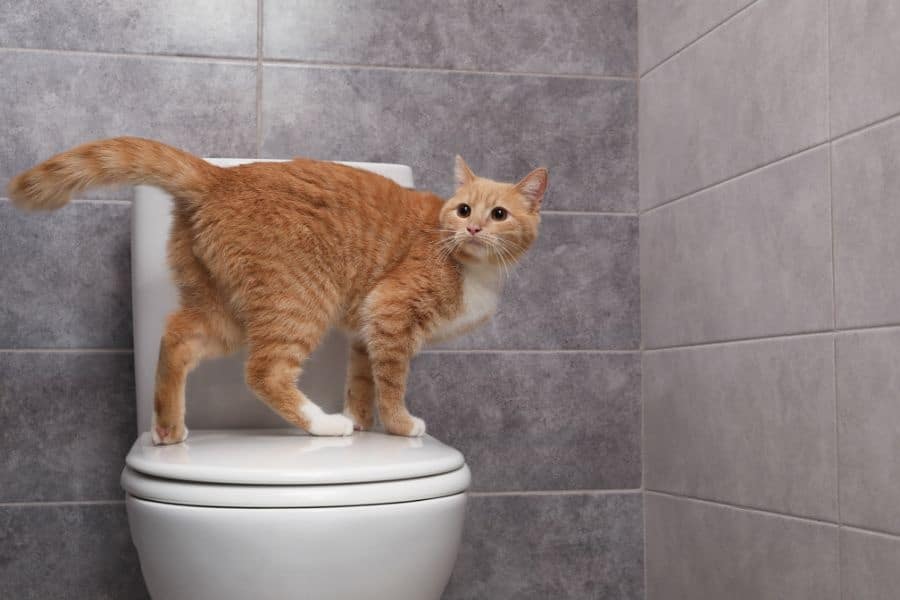
Your senior dog has accidents by the back door, or your older cat starts skipping the litter box. Before you assume a bad habit, consider whether your pet’s water and bathroom setup still fits their aging body. Small changes can make a big difference in senior pet care, and they can reveal important clues about aging dogs and cats’ health. For families in White Oak, a few simple adjustments at home can bring comfort back to your pet’s daily routine.
Why Aging Bodies Need Different Water and Bathroom Setups
As pets get older, everyday tasks that once felt effortless can become uncomfortable. Arthritis makes it harder to bend down to a low bowl, climb into a high-sided litter box, or squat in the yard. Weakening muscles, especially in the back legs, can make it difficult to stand steadily while drinking or going to the bathroom.
Senses and bladder control also change. Poor eyesight can make it hard to find a water bowl or litter box in a dim room, and some older pets can’t hold their urine as long as they once did. Reduced hearing and slower thinking can mean your pet doesn’t respond to a “go outside” cue as quickly.
Health conditions play a part too. Kidney disease, diabetes, and an overactive thyroid can all increase thirst and urination, and some medications do the same. A pet who drinks and urinates more may need more frequent bathroom access and easier access to fresh water. Accidents at this stage are rarely misbehavior. They are usually a sign that something in your pet’s body or environment needs attention.
What Bathroom and Drinking Changes Say About Aging Dogs and Cats Health
Pets can’t tell you that the bowl is too low or the litter box is too tall, so watch their behavior for clues. Dogs may hesitate at the door, strain or hunch while urinating, or have accidents in the house after years of reliability. Cats may stand at the edge of the litter box, go just outside it, or choose a soft rug instead.
Changes in drinking habits matter just as much. Drinking much more than usual, emptying the bowl faster, or waking you at night for water can point to health problems. Drinking much less can lead to dehydration, which is especially risky for older cats. Watch for dry gums, sunken eyes, or low energy.
Because these signs overlap with medical issues, it’s important not to assume the cause. A urinary tract infection, kidney disease, diabetes, or cognitive changes can all cause accidents. A veterinary exam, along with bloodwork and a urinalysis, can show whether the problem is physical, medical, or environmental. A simple notebook tracking how often your pet drinks and urinates makes this much easier for your veterinarian, and it is a core part of monitoring aging dogs and cats’ health.
Call your veterinarian promptly if your pet strains without producing urine, has blood in the urine, or seems to be in pain when going. These can be emergencies, especially in male cats.
Water Setup Changes That Support Senior Pet Care
Make water easy to reach and easy to notice. Place bowls in several spots, especially near where your pet naps, so they never have to travel far. Raised bowls can help pets with neck or joint pain, while wide, shallow bowls are gentler on cats’ sensitive whiskers. Choose heavy or non-slip bowls so they don’t slide on slick floors.
Keep water fresh and appealing. Wash bowls daily and refill often, since older pets can become picky. Some cats prefer running water, and a pet fountain may encourage them to drink more. Adding water to wet food is another easy way to boost hydration. If your pet has trouble finding the bowl, a night light and a consistent location help.
In multi-pet homes, make sure your senior has a bowl in a quiet spot. Younger pets can crowd or guard water, which may discourage an older pet from drinking enough.
Measure rather than guess. Filling the bowl with a known amount each morning and checking what’s left gives you a rough idea of intake. Never restrict water unless your veterinarian tells you to, even if your pet is having accidents. Hydration is essential for kidney and overall health.
Bathroom Setup Changes for Senior Dogs and Cats
For dogs, think about frequency and footing. Offer more bathroom breaks, such as first thing in the morning, after meals, and before bed. Place non-slip mats or rugs on slick steps and decks, and add a ramp or gentle slope if stairs are painful. Washable pads or a grass patch indoors can help pets who can’t wait or who struggle in bad weather.
For cats, choose a litter box with a low entry or a cut-down side so your cat can step in without jumping. Use a larger box, since older cats need room to turn, and keep it in a quiet, well-lit, easy-to-reach spot. Place one on each level of your home so there’s always one nearby. Soft, unscented litter is often gentler on sore paws, and daily cleaning keeps fussy seniors happy.
Nighttime deserves attention too. Night lights along the path to the door or litter box help pets with poor vision, and a late-evening bathroom break can reduce overnight accidents.
Patience is a big part of senior pet care. Never scold a pet for accidents, as it can create fear and make the problem worse. Clean accidents with an enzymatic cleaner to remove odors, and reward your pet for using the right spot. If accidents continue after you’ve made changes, check with your veterinarian before assuming it’s a habit problem.
Conclusion: Small Changes, Big Comfort
Water and bathroom setups may seem like minor details, but for older pets they shape comfort, independence, and health. By watching for changes, making routines easier, and tracking what you see, you strengthen your senior pet care at home and gain valuable insight into aging dogs and cats’ health.
If you’ve noticed new accidents or changes in your pet’s drinking habits, the team at White Oak Veterinary Clinic in White Oak is here to help. We can check for underlying causes and suggest simple adjustments that fit your pet and your home. Most veterinarians recommend senior wellness exams about every six months, which gives you regular chances to catch changes early.
At White Oak Veterinary Clinic in White Oak, we are committed to helping senior pets stay comfortable, healthy, and independent. Schedule your pet’s visit today and give your pet the care they deserve.
Frequently Asked Questions
Q1. Why is my senior dog having accidents after years of being house-trained?
Ans: Accidents in older dogs can come from joint pain, reduced bladder control, urinary infections, kidney disease, diabetes, or cognitive changes. Scolding won’t help, but a veterinary exam can find the cause and guide treatment.
Q2. How much water should a senior pet drink each day?
Ans: It varies with size, diet, and health, but a common guideline is roughly one ounce per pound of body weight daily. Dogs and cats eating wet food often drink less. If your pet’s intake changes noticeably, mention it to your veterinarian.
Q3. What kind of litter box is best for an older cat?
Ans: A large box with a low entry is usually best, since it’s easier for stiff joints. Place it in a quiet, well-lit spot, keep it very clean, and add extra boxes on each floor of your home.
Q4. Is a pet water fountain worth trying for a senior cat?
Ans: It can be. Some cats drink more when water is moving and fresh. Clean the fountain regularly, and talk with your veterinarian if your cat’s drinking changes suddenly.
Q5. Where can I find senior pet care in White Oak?
Ans: Look for a local clinic that offers senior wellness exams, diagnostic testing, and practical advice for home adjustments. Ask how often your pet should be rechecked and how the team supports you between visits.