Just like humans, cats need regular dental care to maintain healthy teeth and gums. Bad dental hygiene can lead to a variety of health issues, including gum disease, tooth decay, and even systemic health problems. While many pet owners focus on providing food and shelter, dental care is often overlooked. However, it is an essential part of your cat’s overall well-being.
Maintaining good dental hygiene is a simple yet effective way to improve your cat’s quality of life, preventing discomfort and health issues later on. In this guide, we’ll share practical tips for keeping your cat’s teeth clean and healthy, from brushing to diet, and when to seek professional care. This blog is especially helpful for pet owners in White Oak, PA, looking to improve their cat’s dental health.
1. Understand the Importance of Cat Dental Care
Dental care is one of the most commonly neglected aspects of pet care, but it is crucial to your cat’s health. Poor dental hygiene can lead to various conditions, such as:
- Periodontal Disease: The most common dental problem in cats, periodontal disease occurs when bacteria accumulate around the teeth and gums, leading to inflammation and infection.
- Bad Breath (Halitosis): Foul-smelling breath often results from plaque buildup or gum disease.
- Tooth Decay and Loss: Unaddressed plaque can cause cavities or abscesses, leading to tooth loss.
- Systemic Health Issues: Research shows that untreated dental disease can impact other organs, including the heart, kidneys, and liver.
Understanding the importance of dental care will help you make it a regular part of your cat’s routine. Just like humans, your cat’s teeth need attention to stay strong and healthy.
2. Brushing Your Cat’s Teeth
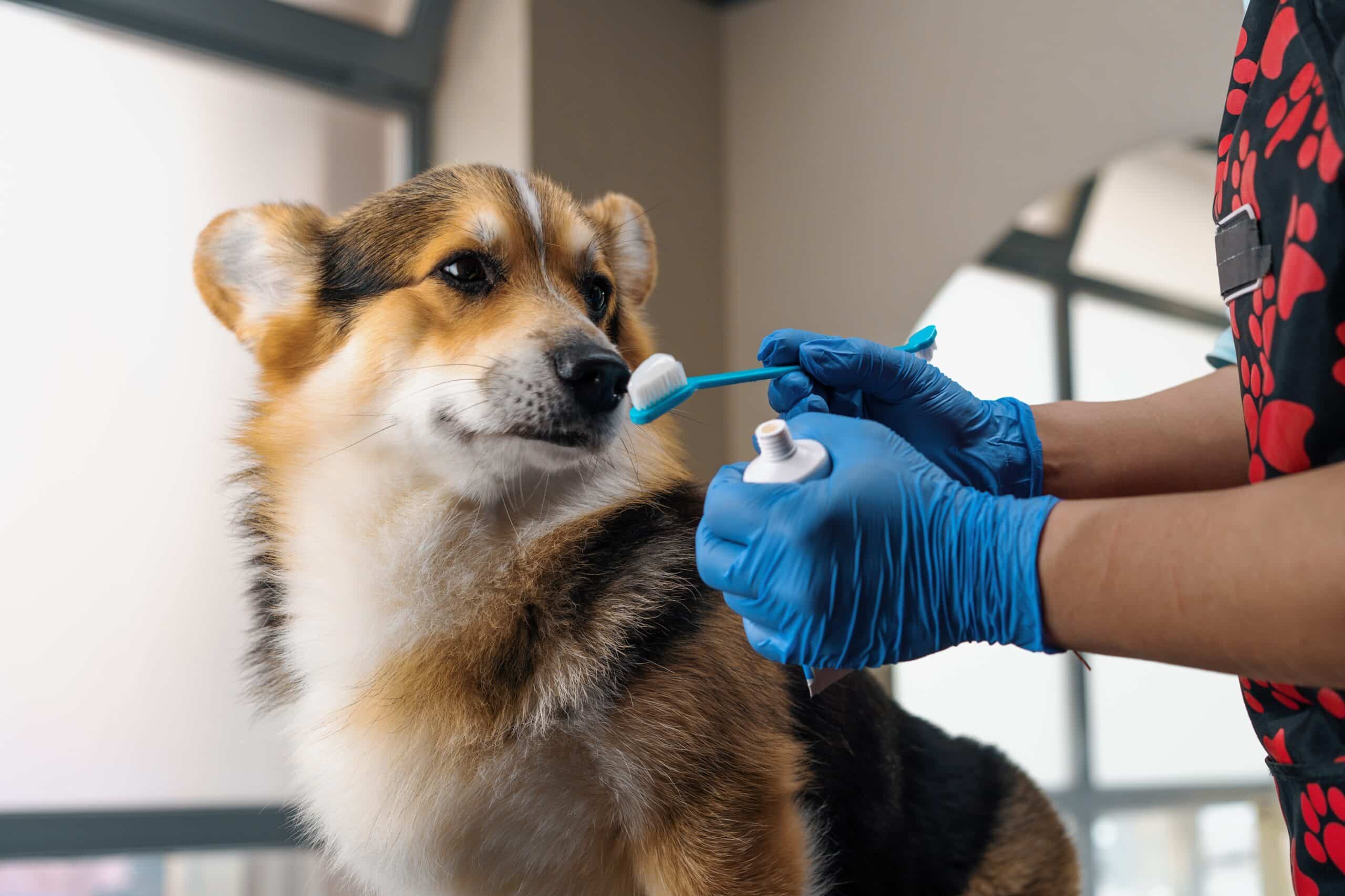
The most effective way to maintain your cat’s dental health is by brushing their teeth regularly. While this may seem challenging, with patience and practice, it becomes a simple and rewarding part of your cat’s care routine.
- Choose Cat-Specific Toothpaste: Never use human toothpaste for your cat, as it contains fluoride, which is toxic to cats. Instead, opt for toothpaste made specifically for cats, which often comes in flavors like chicken or tuna that appeal to your feline friend.
- Select the Right Toothbrush: Use a toothbrush designed for cats, which is smaller and has softer bristles. A finger brush is another good option, especially if your cat is not yet used to having their teeth brushed.
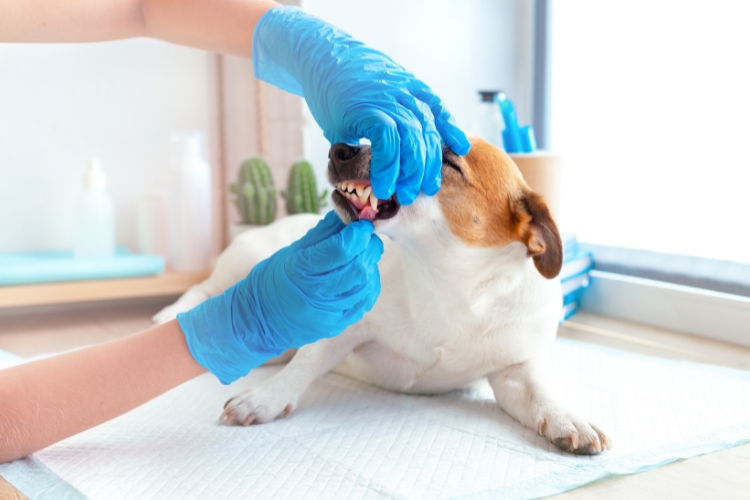
- Get Your Cat Used to Brushing: Start slowly by massaging your cat’s gums with your finger or a soft cloth before introducing the toothbrush. Gradually increase the time spent brushing as your cat becomes more comfortable.
- Brush Regularly: Aim to brush your cat’s teeth at least two to three times a week. Daily brushing is ideal, but even a few times a week can significantly improve their oral health.
3. Provide Dental Diets and Chews for Cats
In addition to brushing, the food your cat eats plays a significant role in their dental health. Some foods and treats are specifically formulated to promote dental hygiene by reducing plaque buildup.
- Dry Food: Some types of dry cat food are designed to help clean teeth as your cat chews. The kibble’s texture helps remove plaque from the surface of the teeth, but it’s not a substitute for regular brushing.
- Dental Treats and Chews: Look for dental chews that have been approved by the Veterinary Oral Health Council (VOHC). These treats help remove plaque and tartar, while also satisfying your cat’s natural chewing instincts.
- Water Additives: Certain water additives can help reduce plaque and keep your cat’s mouth fresh. These products are added to your cat’s drinking water, making it an easy way to support their dental care.
4. Schedule Regular Veterinary Checkups
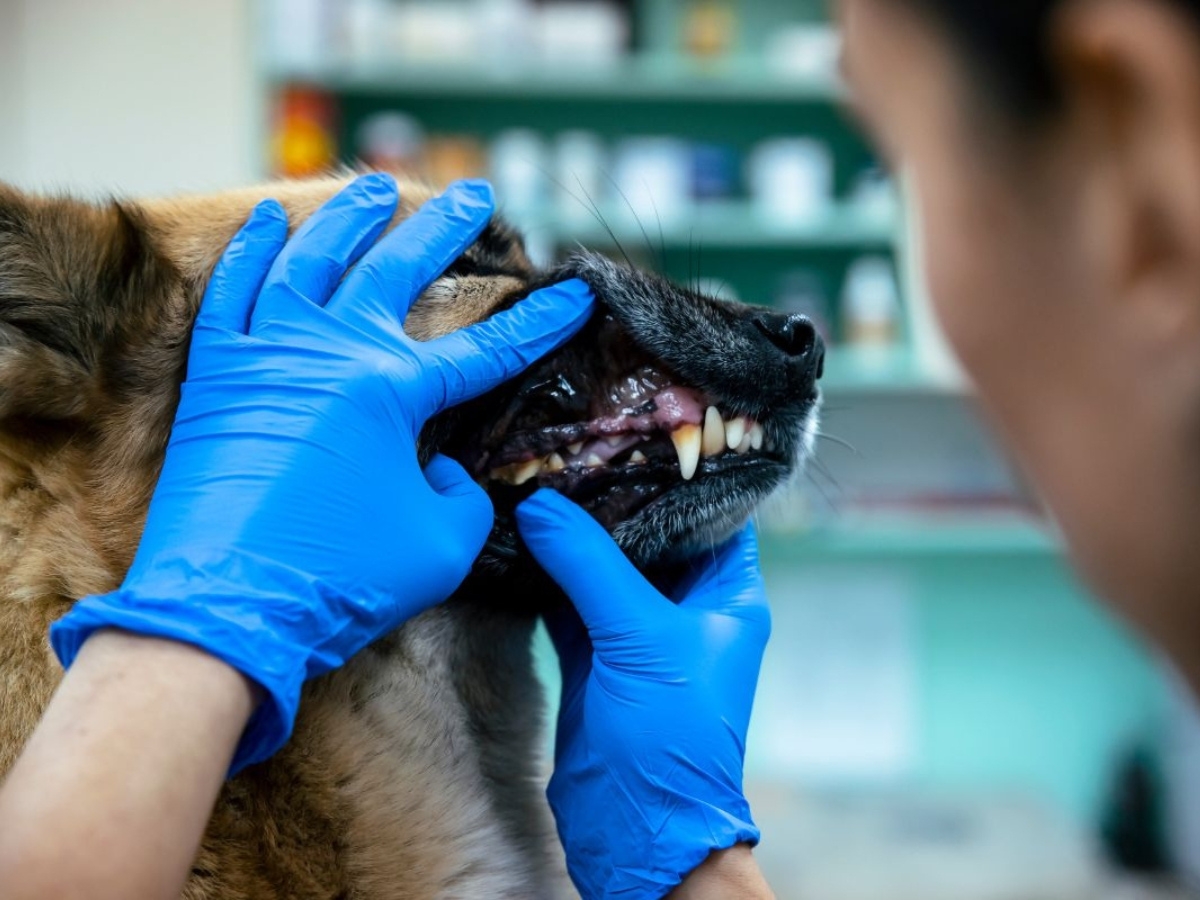
Even with regular brushing and dental chews, your cat will still need professional dental cleanings. Over time, plaque and tartar will inevitably accumulate in areas that are difficult to reach with a toothbrush. A professional cleaning is the only way to thoroughly remove this buildup.
- When to Schedule a Cleaning: If your cat has noticeable bad breath, swollen gums, or difficulty eating, it may be time for a professional cleaning. Regular checkups are also essential for cats over the age of 3 to ensure their oral health remains in top condition.
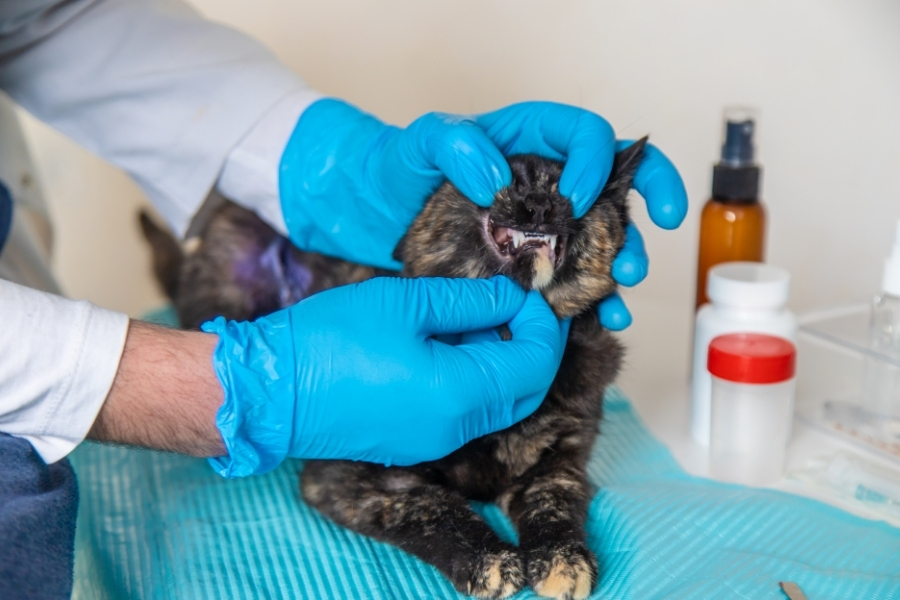
- What to Expect: Professional dental cleanings are typically performed under anesthesia to ensure that your cat remains still while the vet cleans every tooth, including those below the gumline. Your vet will also check for signs of oral disease and provide recommendations for home care.
5. Watch for Common Signs of Dental Issues
Being proactive and aware of potential dental issues in your cat will help prevent more severe problems from developing. Watch for signs such as:
- Bad Breath: Persistent bad breath is one of the earliest signs of dental disease in cats.
- Swollen or Bleeding Gums: Healthy gums should be pink, not red or inflamed. Swollen or bleeding gums indicate gingivitis or more advanced gum disease.
- Difficulty Eating or Dropping Food: If your cat avoids eating or drops food, it may be due to oral pain or discomfort.
- Excessive Drooling: Drooling can be a sign of oral discomfort or infection.
- Visible Plaque or Tartar: Plaque appears as a yellowish film on the teeth, while tartar is a hard, brown substance that can build up over time.
If you notice any of these symptoms, it’s time to schedule an appointment with your vet for a thorough dental exam.
6. Maintain Fresh Breath and Healthy Teeth
While occasional bad breath is normal, persistent halitosis can be a sign of dental problems. To maintain fresh breath and healthy teeth, here are a few additional tips:
- Use Dental Sprays and Gels: Some dental sprays and gels help reduce plaque and freshen your cat’s breath. These are easy to apply and can be a great addition to your cat’s dental routine.
- Offer Fresh Water Regularly: Keep your cat hydrated with fresh water, which not only supports their overall health but also helps wash away food particles and bacteria that contribute to bad breath.
- Introduce New Dental Products Gradually: If you’re trying new dental care products, such as dental treats or water additives, introduce them gradually to give your cat time to adjust.
Maintaining your cat’s dental health is essential for their overall well-being. Regular brushing, providing dental chews, offering a dental-friendly diet, and scheduling professional cleanings will help keep your cat’s teeth clean and fresh. By incorporating these practices into your cat’s daily routine, you can ensure they have a long, healthy life with minimal dental issues. If you are in White Oak, PA, and looking for guidance on cat dental care, book an appointment with White Oak Veterinary Clinic. Our veterinary team is here to provide expert advice and care to keep your cat’s teeth in top shape.
FAQs
Q1. How often should I brush my cat’s teeth?
Ans. You should aim to brush your cat’s teeth at least two to three times a week. Daily brushing is ideal for optimal dental health.
Q2. Can dental chews replace brushing my cat’s teeth?
Ans. Dental chews can help reduce plaque, but they should not replace regular brushing. Brushing is the most effective way to maintain your cat’s oral health.
Q3. How can I tell if my cat has dental disease?
Ans. Signs of dental disease include bad breath, swollen gums, difficulty eating, and visible plaque or tartar. If you notice these symptoms, consult your veterinarian.
Q4. Is it safe to use human toothpaste for my cat?
Ans. No, human toothpaste contains fluoride and other ingredients that are toxic to cats. Always use toothpaste made specifically for cats.
Q5. Can I use water additives for dental care?
Ans. Yes, water additives are a simple and effective way to help reduce plaque and promote oral health in cats. Consult your vet for recommendations.
Q6. What happens during a professional dental cleaning for my cat?
Ans. A professional cleaning involves scaling and polishing your cat’s teeth, often under anesthesia, to remove plaque and tartar buildup and prevent oral disease.