As a pet owner, you want your dog to live a long, healthy life—and that includes maintaining their oral health. Just like humans, dogs can suffer from a variety of dental issues that, if left untreated, can lead to severe health problems. Regular dental care is essential for preventing discomfort and ensuring your dog’s overall well-being. This blog will cover the most common dog dental problems, how to recognize them, and most importantly, how to prevent them. This blog is especially for residents of White Oak, PA, who want to take proactive steps toward maintaining their dog’s dental health.
Common Dog Dental Problems
Dental issues in dogs are widespread, and many pets suffer silently. Without proper care, minor issues can quickly escalate into painful conditions. Here are some of the most common dental problems that dogs experience:
1. Periodontal Disease
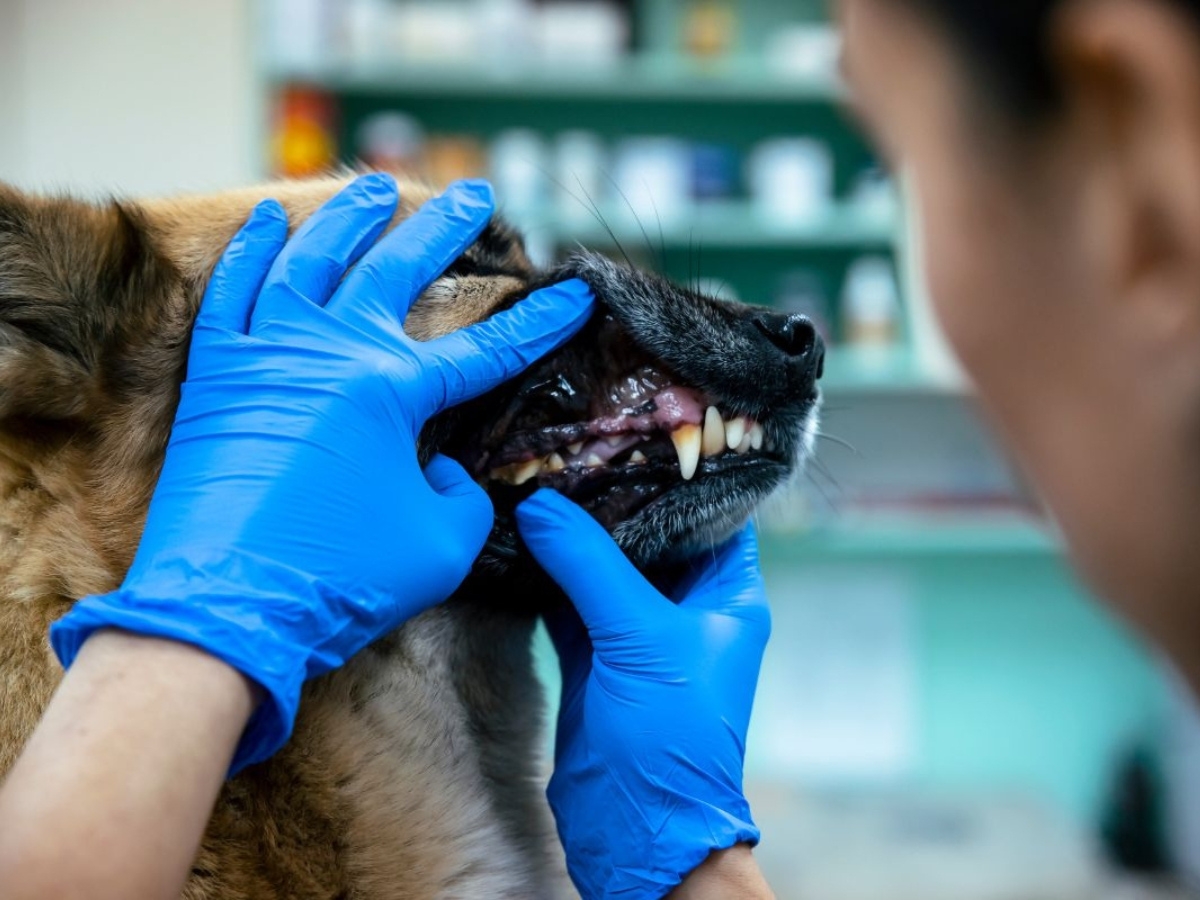
Periodontal disease is one of the most common dental issues among dogs. It starts with the buildup of plaque and tartar, which can lead to gum inflammation, tooth loss, and bone damage. In the early stages, your dog may experience mild discomfort, but without treatment, the disease progresses rapidly.
What to Watch For:
- Red or swollen gums
- Bad breath (halitosis)
- Excessive drooling
Prevention:
Brushing your dog’s teeth regularly is the best way to prevent periodontal disease. Additionally, providing dental chews, regular professional cleanings, and an appropriate diet can help reduce plaque buildup.
2. Gingivitis
Gingivitis is a mild form of periodontal disease that involves inflammation of the gums, usually caused by plaque buildup. It’s common in dogs that do not receive regular dental care. Gingivitis can lead to more serious problems if not addressed.
What to Watch For:
- Red, swollen gums
- Bleeding when your dog’s mouth is touched
- Bad breath
Prevention:
Regular brushing with dog-safe toothpaste can help prevent gingivitis. You can also offer chew toys that help scrape away plaque and reduce the buildup of tartar.
3. Tooth Resorption
Tooth resorption occurs when the body begins to break down and absorb the tooth’s root. This painful condition is commonly seen in adult dogs, especially in certain breeds. Tooth resorption can be difficult to detect in the early stages, as it often occurs below the gum line.
What to Watch For:
- Drooling
- Pawing at the mouth
- Difficulty eating or chewing
Prevention:
While the exact cause of tooth resorption is not fully understood, regular dental exams and early intervention are key to managing the condition. If detected early, a veterinarian can recommend treatment options to prevent further damage.
4. Broken or Cracked Teeth
Dogs, especially those that chew on hard objects, can break or crack their teeth. A broken tooth can cause significant pain and lead to infection if not treated. Broken teeth are often caused by chewing on hard toys, bones, or even during playtime.
What to Watch For:
- Difficulty eating hard food
- Pawing at the mouth or face
- Visible cracks or chips in the teeth
Prevention:
Avoid giving your dog hard toys or bones that can lead to cracked teeth. Opt for softer chew toys or treats that promote dental health while being gentle on their teeth.
5. Bad Breath (Halitosis)
Bad breath in dogs is often a sign of underlying dental problems, such as gum disease, infections, or poor oral hygiene. While a small amount of bad breath is normal, persistent halitosis should not be ignored.
What to Watch For:
- Foul-smelling breath that doesn’t improve
- Excessive drooling
- Difficulty eating or chewing
Prevention:
Maintain good oral hygiene by brushing your dog’s teeth, providing dental chews, and scheduling regular professional cleanings to prevent the buildup of bacteria in the mouth.
6. Oral Tumors
Oral tumors are less common, but they can occur in dogs, especially as they age. These tumors can cause pain, difficulty eating, and other signs of discomfort. Some tumors are benign, while others may be cancerous.
What to Watch For:
- Lumps or bumps in the mouth
- Difficulty chewing or swallowing
- Excessive drooling or bleeding from the mouth
Prevention:
Regular veterinary checkups are essential to detect any oral health problems early. If you notice any unusual swelling or growths in your dog’s mouth, it’s crucial to schedule an appointment with your vet.
How to Prevent Dog Dental Problems
Preventing dental issues in dogs is much easier than treating them once they’ve become severe. By incorporating dental care into your dog’s daily routine, you can significantly reduce the risk of common dental problems. Here are some effective prevention tips:
1. Regular Brushing
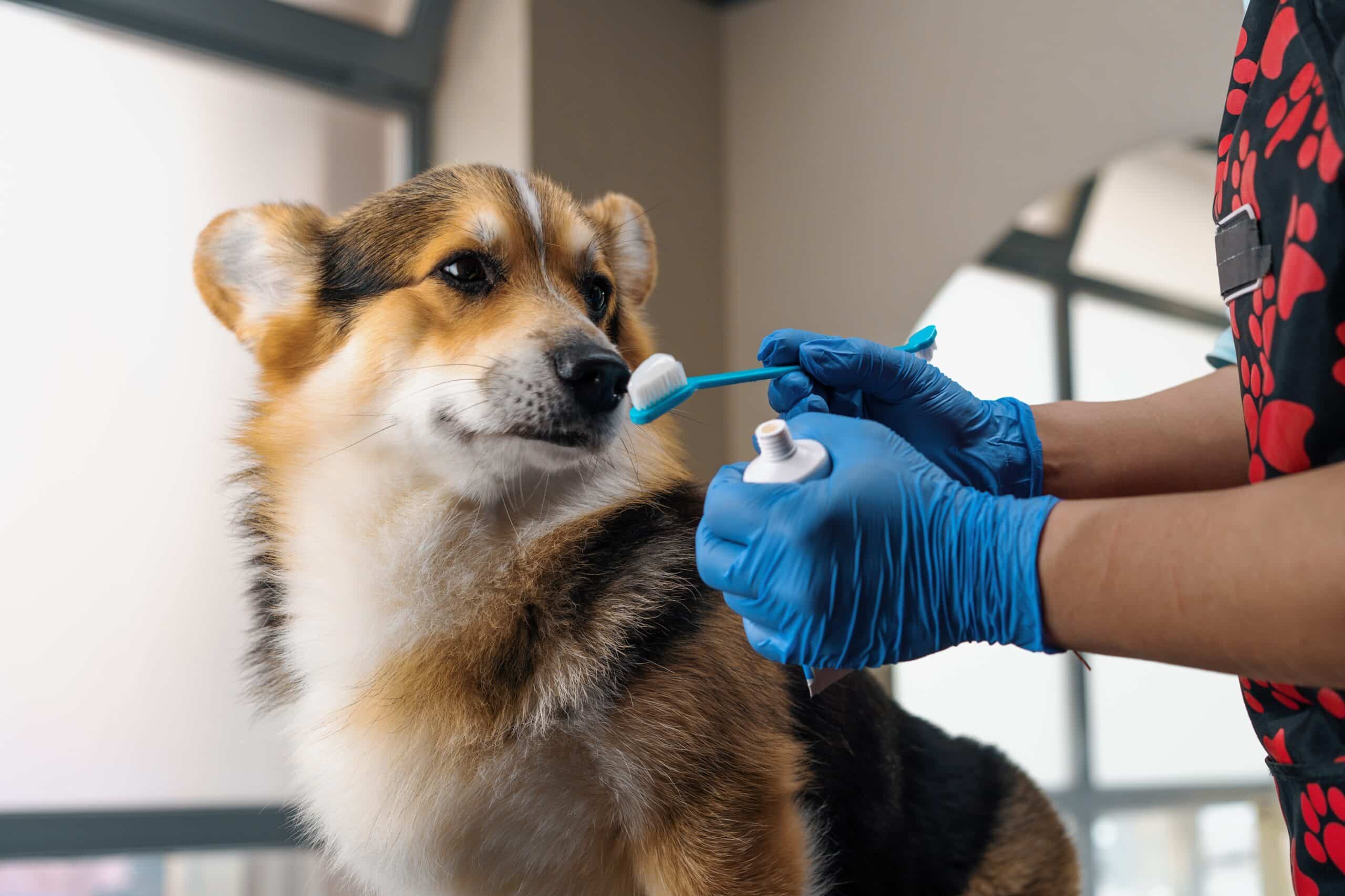
Brushing your dog’s teeth is one of the most effective ways to prevent dental disease. It helps remove plaque before it can harden into tartar. Use a toothbrush and toothpaste designed specifically for dogs.
Tip: Start brushing your dog’s teeth early in life to get them accustomed to the process. Brushing at least 2-3 times a week is ideal.
2. Provide Dental Chews and Toys
Dental chews and toys are designed to help scrape away plaque and tartar. Look for products that are approved by the Veterinary Oral Health Council (VOHC) to ensure they are effective in promoting dental health.
Tip: Make sure the toys are the right size for your dog’s breed to avoid choking hazards.
3. Regular Professional Cleanings
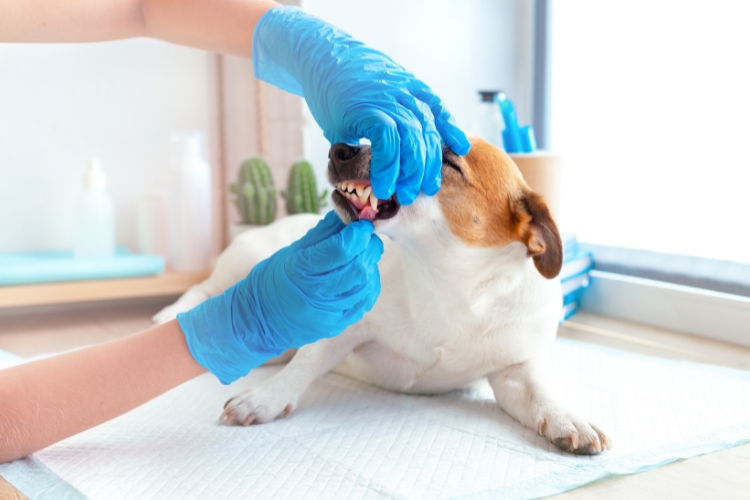
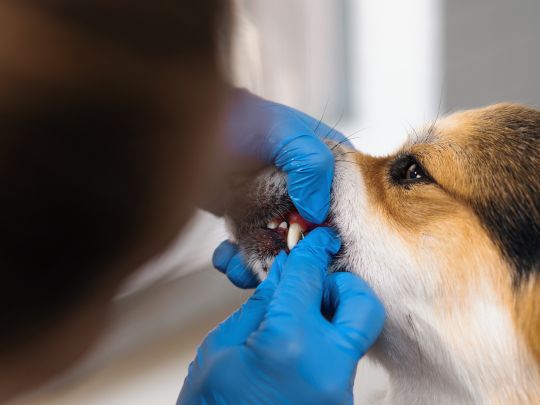
Even with regular brushing, your dog will still need professional dental cleanings from time to time. A veterinary professional can remove tartar and plaque that brushing cannot reach, and can also check for any underlying dental problems.
Tip: Schedule annual dental exams and cleanings with your veterinarian to maintain your dog’s oral health.
4. Feed a Dental-Friendly Diet
Feeding your dog a dental-friendly diet can help prevent the buildup of plaque and tartar. Look for dry food or kibble that is specifically designed to promote dental health. Avoid giving your dog sugary treats, as they can contribute to plaque buildup.
Tip: Consult your veterinarian to determine the best food options for your dog’s specific needs.
5. Watch for Signs of Pain or Discomfort
Pay attention to any changes in your dog’s behavior that could indicate dental problems. If your dog is pawing at their mouth, avoiding food, or exhibiting other signs of pain, it’s essential to consult your veterinarian as soon as possible.
Tip: Early intervention can prevent many dental issues from becoming severe and causing lasting harm to your dog’s health.
Conclusion: Protecting Your Dog’s Teeth for a Healthier Life
Good dental care is an essential part of your dog’s overall health. By recognizing the signs of dental problems early and taking preventive steps, you can help your dog avoid discomfort and maintain a healthy smile. Regular brushing, professional cleanings, and dental chews are key to preventing dental disease and ensuring your dog’s long-term health.
If you are in White Oak and looking for dog dental care near you, book an appointment with White Oak Veterinary Clinic. Our veterinary team is here to help keep your dog’s teeth clean and healthy for years to come.
FAQs
Q1. How often should I brush my dog’s teeth?
Ans. It’s recommended to brush your dog’s teeth at least 2-3 times a week to remove plaque and prevent dental issues.
Q2. What are the signs of dental problems in dogs?
Ans. Look out for bad breath, swollen gums, difficulty eating, drooling, and pawing at the mouth, as these can indicate dental issues.
Q3. Can dental chews help prevent dental problems?
Ans. Yes, dental chews help reduce plaque buildup and promote gum health by encouraging chewing and scraping.
Q4. What are the causes of periodontal disease in dogs?
Ans. Periodontal disease is caused by the buildup of plaque and tartar, often due to poor oral hygiene and lack of regular brushing.
Q5. Is it necessary to schedule professional dental cleanings for my dog?
Ans. Yes, professional cleanings are important to remove tartar and plaque that brushing can’t reach, helping to maintain your dog’s oral health.
Q6. How can I tell if my dog is in pain from dental issues?
Ans. Signs of dental pain include difficulty eating, drooling, pawing at the mouth, and changes in behavior such as irritability or withdrawal.