Your pet’s health goes beyond regular feeding and exercise. Oral health plays a major role in their overall well-being. Yet, many pet owners overlook dental care until visible problems appear. By that time, your pet may already be dealing with pain or infection.
Pets rely on their teeth for eating, playing, and daily comfort. Therefore, maintaining good oral hygiene helps prevent serious health issues. With proper care and early attention, many dental problems can be avoided.
This guide explains everything you need to know about pet dental health, from early signs of trouble to preventive care strategies. It is especially helpful for pet owners in White Oak, PA, who want to keep their pets healthy and comfortable throughout their lives.
Why Dental Care Matters for Pets
Dental health directly affects your pet’s quality of life. When plaque builds up on teeth, it hardens into tartar. This leads to gum inflammation, infection, and eventually tooth loss.
However, the impact does not stop in the mouth. Bacteria from dental disease can enter the bloodstream and affect vital organs. As a result, untreated dental issues may lead to heart, kidney, or liver complications.
Regular dental care helps prevent these risks. It also ensures your pet remains active, pain-free, and able to eat comfortably.
Common Dental Problems in Pets
Understanding common dental issues helps you take action early.
Plaque and Tartar Buildup
Food particles and bacteria create plaque on teeth. Over time, plaque turns into tartar, which cannot be removed without professional cleaning.
Gum Disease
Gum disease begins with inflammation and can progress to infection. It causes pain, bleeding, and tooth loss if untreated.
Bad Breath
Persistent bad breath often signals underlying dental problems. It is not just a cosmetic issue but a sign of bacterial buildup.
Tooth Fractures
Chewing on hard objects can crack or break teeth. This exposes sensitive areas and leads to discomfort or infection.
Oral Infections
Untreated dental disease can result in infections that spread beyond the mouth. Early detection is key to preventing complications.
Signs Your Pet May Have Dental Issues
Pets often hide discomfort, so it is important to watch for subtle changes.
- Difficulty eating or chewing
- Drooling more than usual
- Pawing at the mouth
- Swollen or bleeding gums
- Loose or missing teeth
- Reduced interest in play
If you notice any of these signs, it is important to seek veterinary care. Early evaluation can prevent further damage and improve recovery.
Preventive Dental Care at Home
Consistent home care plays a key role in maintaining your pet’s oral health.
Brushing Your Pet’s Teeth
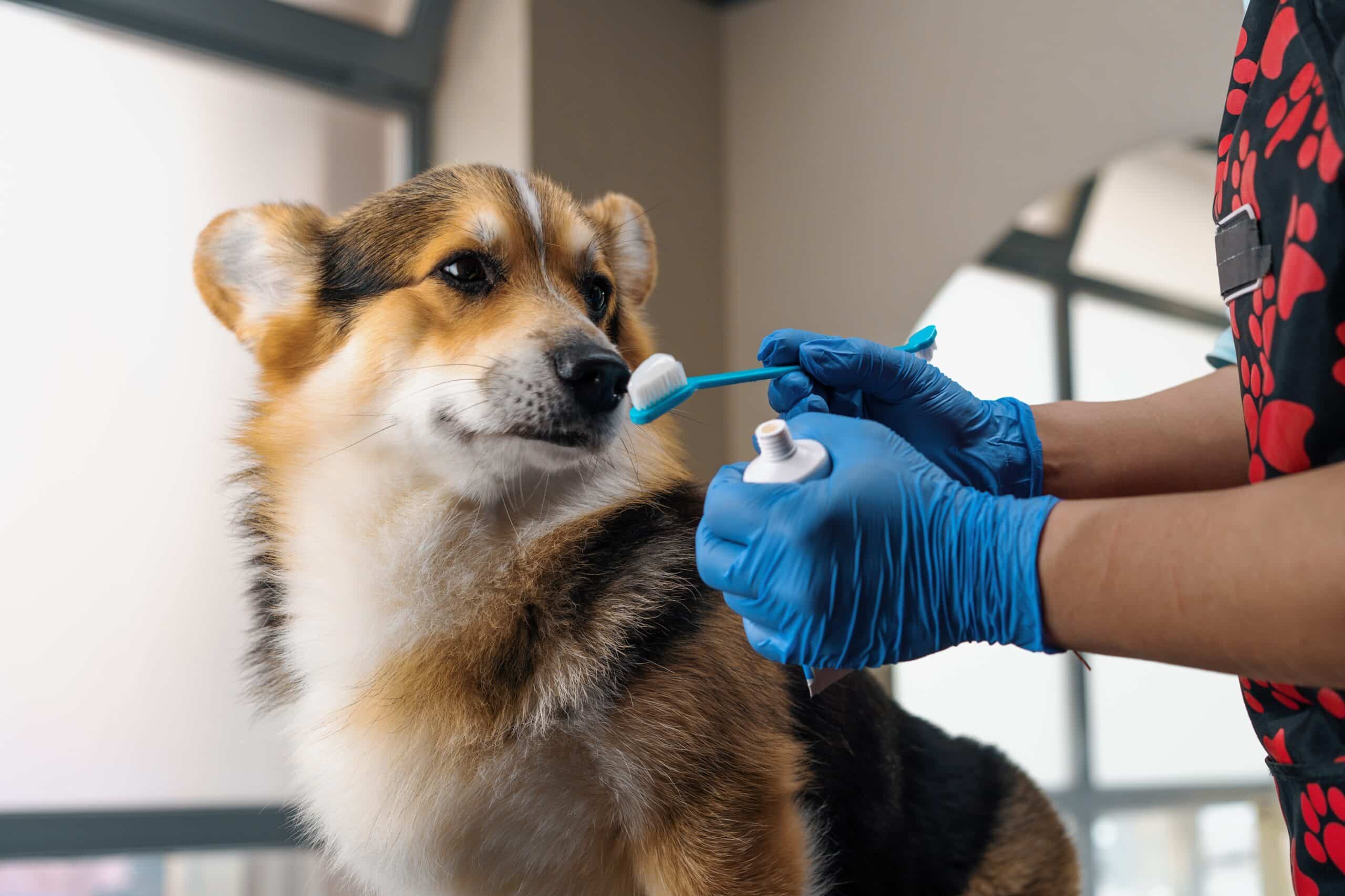
Brushing is one of the most effective ways to prevent plaque buildup. Use a pet-safe toothbrush and toothpaste. Start slowly and make it a positive experience.
Dental Chews and Toys
Dental chews help reduce plaque and keep gums healthy. Choose products designed specifically for pets. Avoid hard objects that could damage teeth.
Balanced Diet
A healthy diet supports strong teeth and gums. Some foods are formulated to reduce plaque buildup and improve oral health.
Regular Observation
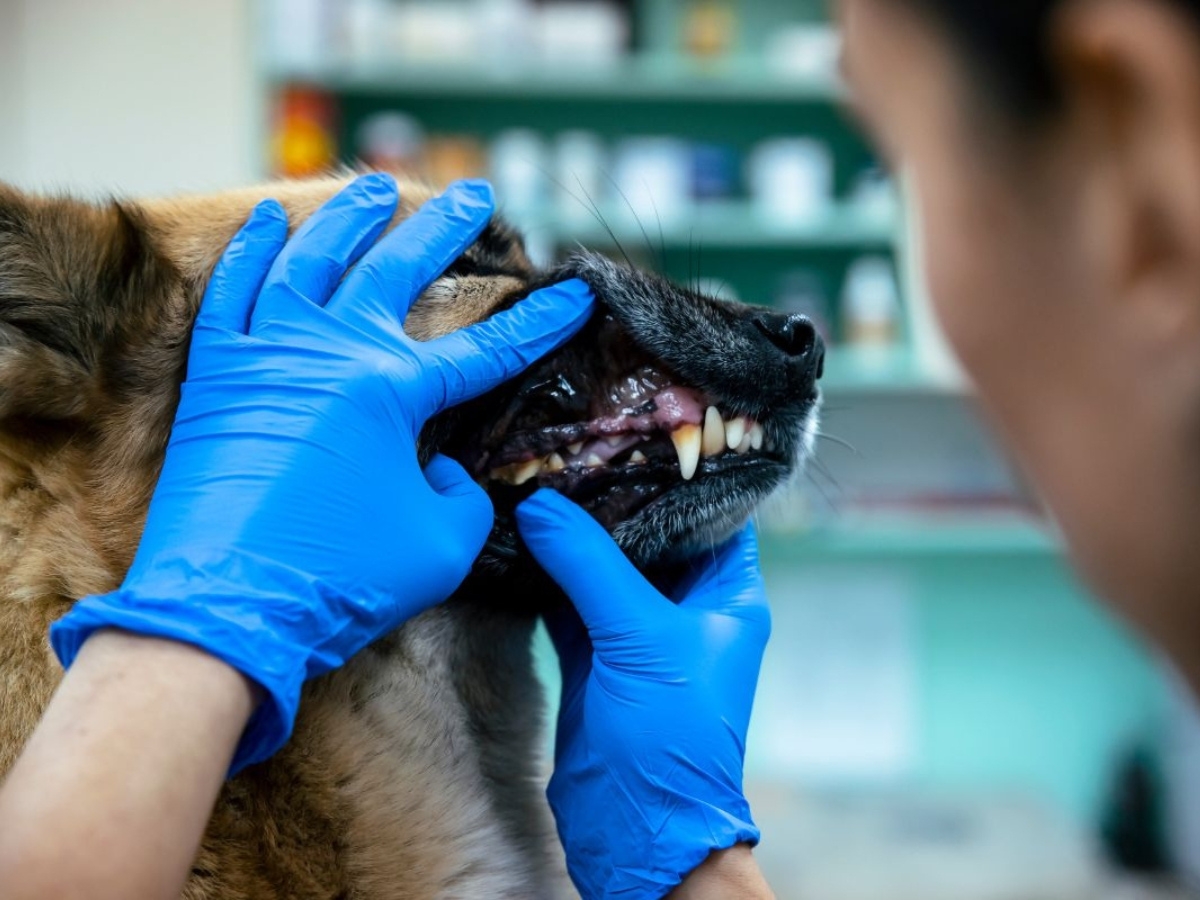
Check your pet’s mouth regularly. Look for changes in color, swelling, or unusual odor. Early detection makes treatment easier.
Professional Dental Care: Why It Is Essential
Home care alone cannot remove hardened tartar. Professional cleaning is necessary to maintain proper oral hygiene.
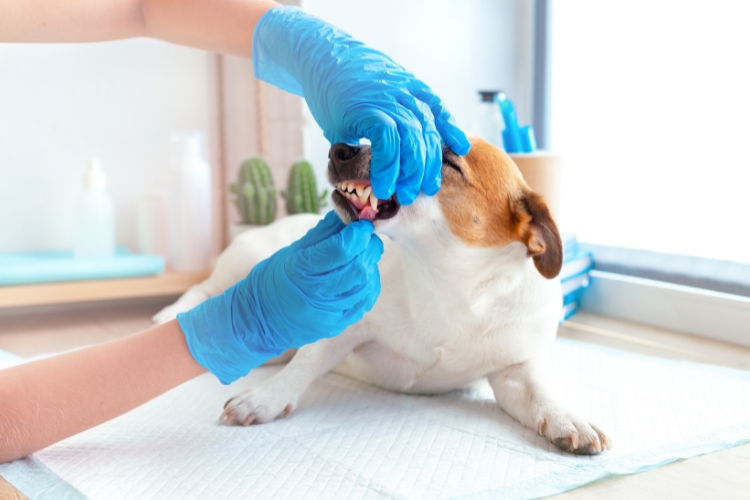
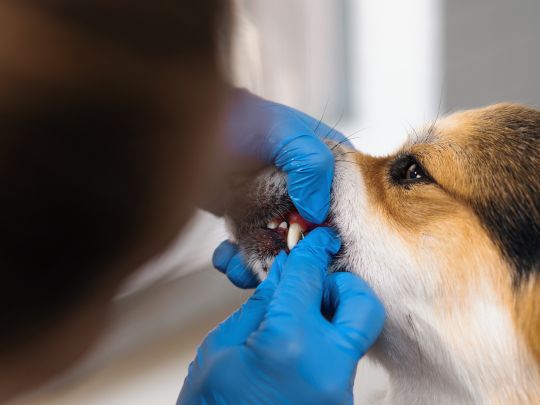
During a dental visit, veterinarians examine your pet’s teeth and gums. They may perform cleaning, scaling, and polishing to remove buildup. In some cases, additional treatment may be needed for damaged teeth.
At White Oak Veterinary Clinic, advanced tools and experienced professionals ensure safe and effective dental care. Regular checkups help identify issues early and keep your pet’s mouth healthy.
How Often Should Pets Receive Dental Care?
The frequency of dental care depends on your pet’s age, breed, and overall health.
- Young pets benefit from early dental habits and routine checkups
- Adult pets may require annual dental evaluations
- Senior pets often need more frequent monitoring
Your veterinarian can recommend a schedule tailored to your pet’s needs. Consistency ensures long-term oral health.
The Role of Early Intervention
Early intervention prevents minor issues from becoming serious problems. For example, treating gum inflammation early can stop the progression of periodontal disease.
In addition, early care reduces discomfort and improves your pet’s quality of life. It also minimizes the need for complex procedures later.
By staying proactive, you protect your pet from unnecessary pain and health complications.
Benefits of Routine Dental Care
Regular dental care offers several advantages:
- Prevents pain and discomfort
- Reduces the risk of infections
- Supports overall health
- Improves appetite and digestion
- Enhances your pet’s quality of life
These benefits highlight the importance of making dental care a regular part of your pet’s routine.
Choosing the Right Pet Dental Service
Selecting the right pet dental service ensures your pet receives proper care. Look for a veterinary clinic that offers comprehensive dental evaluations and treatments.
Experienced professionals use advanced tools to provide accurate diagnosis and effective treatment. They also guide you on maintaining your pet’s oral health at home.
A trusted clinic focuses on preventive care, early detection, and personalized treatment plans. This approach ensures your pet receives the best possible care.
Building a Long-Term Dental Care Routine
Consistency is key when it comes to dental health. Create a routine that includes daily or weekly brushing, regular checkups, and proper nutrition.
Over time, these habits become part of your pet’s lifestyle. This reduces the risk of dental issues and supports overall well-being.
A proactive approach ensures your pet stays healthy and happy for years to come.
Dental care is an essential part of your pet’s overall health. By maintaining good oral hygiene and seeking professional care, you can prevent many common dental issues. Early detection and regular checkups make a significant difference in your pet’s quality of life.
If you’re in White Oak and looking for pet dental care near you, schedule an appointment with White Oak Veterinary Clinic. Our veterinary team is dedicated to providing thorough dental evaluations and personalized care to keep your pet healthy and comfortable.
FAQs
1. Why is dental care important for pets?
Dental care helps prevent plaque buildup, gum disease, and infections. It also supports overall health by reducing the risk of bacteria spreading to other organs.
2. How can I tell if my pet has dental problems?
Common signs include bad breath, difficulty eating, swollen gums, and behavioral changes. Regular observation helps detect these issues early.
3. How often should I brush my pet’s teeth?
Brushing a few times a week helps control plaque buildup. Starting early makes the process easier and more effective over time.
4. Are dental chews effective for pets?
Dental chews can help reduce plaque and support gum health. However, they should be used along with brushing and regular checkups for the best results.
5. When should my pet have a professional dental cleaning?
Most pets benefit from annual dental cleanings. However, the frequency may vary depending on their age and oral health condition.
6. Can dental problems affect my pet’s overall health?
Yes, untreated dental issues can lead to infections and affect organs such as the heart and kidneys. Early care helps prevent these complications.