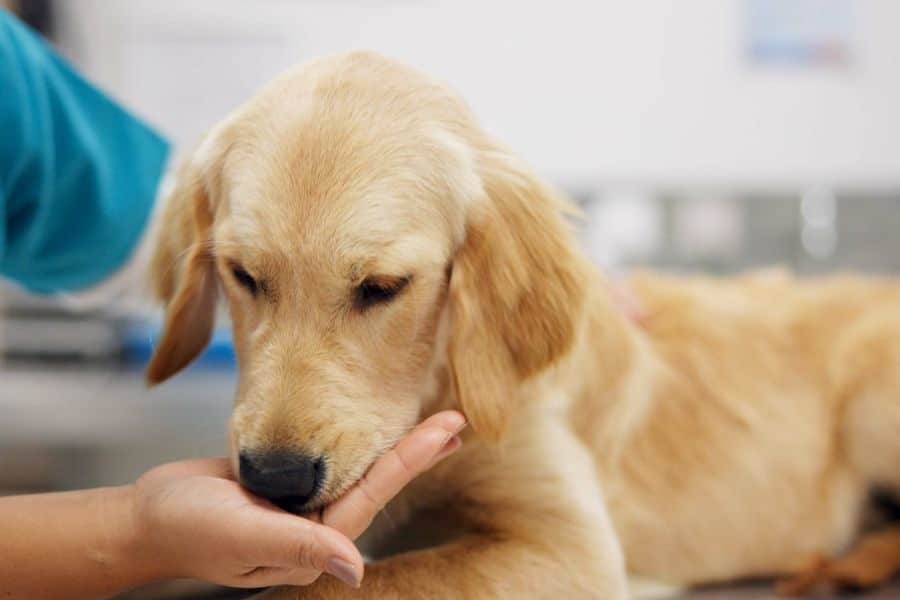
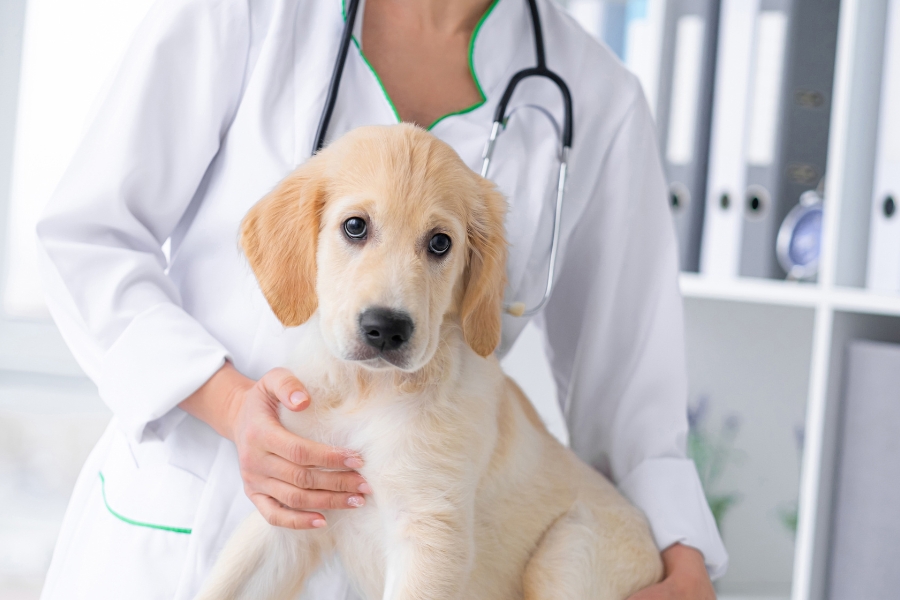
As a pet owner, your top priority is ensuring that your furry companion lives a long, healthy, and happy life. While it’s easy to focus on the more obvious aspects of pet care like food, exercise, and play, one of the most important, yet often overlooked, aspects of pet health is preventive care. This includes the crucial annual wellness exam.
An annual wellness exam is more than just a routine check-up; it’s an essential part of ensuring that your pet remains healthy, active, and comfortable as they age. Just like humans, pets need regular health assessments to catch potential issues early. In this blog, we’ll dive into the importance of annual wellness exams, how they contribute to your pet’s overall well-being, and why scheduling them is essential for long-term health. This blog is especially tailored for pet owners in White Oak, PA, looking to invest in their pets’ health through regular check-ups.
1. What Is an Annual Wellness Exam for Pets?
An annual wellness exam is a comprehensive check-up performed by your veterinarian to assess your pet’s overall health. Similar to a routine physical for humans, this exam evaluates your pet’s body systems—from their heart and lungs to their teeth and joints. Regular wellness exams are typically scheduled once a year for healthy pets, but older pets or those with underlying health conditions may need exams more frequently.
During the exam, your veterinarian will perform a thorough physical examination, update vaccinations, screen for parasites, and discuss any concerns you may have regarding your pet’s health, behavior, and lifestyle. It’s also an opportunity for you to ask questions about your pet’s diet, exercise, and overall well-being.
2. Early Detection Can Save Your Pet’s Life
One of the most significant benefits of an annual wellness exam is the ability to detect health issues early, often before symptoms appear. Many conditions, such as heart disease, kidney issues, or arthritis, develop gradually and may not show immediate signs. Without regular exams, these issues could go unnoticed until they become more severe and harder to treat.
- Early Diagnosis: Detecting health issues early makes it easier to manage or treat the condition. For example, early-stage kidney disease, dental issues, or even cancer are much easier to treat when caught early.
- Proactive Care: Regular wellness exams allow your vet to monitor your pet’s health over time. This proactive care enables them to make adjustments to your pet’s diet, exercise, or treatment plan based on the most current health data.
By identifying and addressing problems early, you can ensure your pet enjoys a longer, healthier life.
3. Preventive Care: The Key to Longevity
Preventive care is the foundation of long-term pet health. Annual wellness exams play a crucial role in providing preventive care, helping to stop problems before they start. During the exam, your vet will take the opportunity to:
- Vaccinations: Staying up-to-date with vaccinations is crucial for preventing serious and potentially life-threatening diseases. Vaccines protect your pet against a wide variety of diseases, including rabies, distemper, and parvovirus.
- Parasite Control: Fleas, ticks, and internal parasites such as worms can cause serious health issues if not managed properly. Your vet will assess your pet for signs of parasites and recommend the best preventive treatments.
- Dental Health: Dental disease is common in pets, but it’s often ignored until it becomes serious. During the exam, your vet will check for signs of plaque, tartar, and gum disease, which can lead to other health issues like heart disease and kidney problems if left untreated.
- Weight Management: Maintaining a healthy weight is crucial for your pet’s overall health. During the wellness exam, your vet will evaluate your pet’s body condition and make recommendations for diet and exercise if needed.
Preventive care doesn’t just help your pet stay healthy—it can also save you money in the long run by catching and addressing issues early before they require expensive treatment.
4. The Emotional and Behavioral Benefits
Annual wellness exams aren’t just about physical health—they also provide an opportunity for you to discuss your pet’s emotional and behavioral well-being with your vet.
- Behavioral Changes: If you’ve noticed changes in your pet’s behavior, such as increased anxiety, aggression, or lethargy, the wellness exam is a great time to address these concerns. Your vet may offer suggestions for managing behavioral issues or recommend a consultation with a professional trainer or behaviorist.
- Stress-Free Vet Visits: Regular visits to the vet allow your pet to become more familiar with the environment and reduce the anxiety they might feel during appointments. Over time, frequent visits help your pet become more comfortable with the process, which can lead to a less stressful experience for both you and your pet.
5. The Risk of Skipping Annual Wellness Exams
Many pet owners may think their pet is perfectly healthy and skip the annual wellness exam. However, even if your pet seems fine, it’s essential to have them checked regularly. Pets age much faster than humans, and small changes can become big problems in a short period.
- Missed Early Detection: Without regular exams, you might miss early signs of illness that could be treated more effectively if caught sooner. For example, a dog or cat showing subtle signs of dental disease may develop more severe issues like tooth loss or infections if not addressed.
- Increased Risk of Serious Illness: Conditions like cancer, heart disease, and kidney failure can develop slowly and may not show obvious signs right away. Without regular exams, these conditions could go unnoticed until they are harder to treat and more costly.
Skipping wellness exams could ultimately lead to more significant health issues for your pet, making it harder—and more expensive—to provide care when needed.
6. When to Seek Veterinary Help Outside of Annual Wellness Exams
While annual wellness exams are essential, there may be times when you need to seek veterinary help outside of the scheduled check-up.
- Sudden Changes in Behavior: If your pet suddenly becomes lethargic, stops eating, or begins to act out of character, it’s important to seek veterinary care immediately.
- Physical Symptoms: If your pet develops physical symptoms like vomiting, diarrhea, coughing, or limping, it’s essential to schedule an appointment as soon as possible to address the issue.
- Chronic Conditions: If your pet has a chronic condition such as arthritis, diabetes, or heart disease, your vet may recommend more frequent visits to monitor their health.
Always trust your instincts as a pet owner—if something doesn’t seem right, it’s better to be proactive and seek professional care than to wait for an issue to worsen.
Annual wellness exams are an essential part of your pet’s healthcare routine. They provide early detection of health problems, ensure your pet receives necessary vaccinations and parasite prevention, and give you the opportunity to address any concerns about your pet’s well-being. By maintaining regular check-ups, you can help your pet enjoy a long, healthy, and happy life. If you are in White Oak, PA, and looking for guidance related to pet wellness exams, book an appointment with White Oak Veterinary Clinic. Our veterinary team is dedicated to ensuring that your pet stays healthy, happy, and comfortable year-round.
FAQs
Q1. How often should my pet have a wellness exam?
Ans. Most pets should have a wellness exam once a year. Older pets or those with health conditions may need more frequent visits. Ask your vet for personalized advice based on your pet’s needs.
Q2. What is included in a wellness exam for pets?
Ans. A wellness exam includes a thorough physical examination, vaccinations, parasite control, a dental check-up, and discussions about diet, exercise, and overall health.
Q3. Why is early detection so important for pets?
Ans. Early detection allows for the timely treatment of health issues, which can prevent them from becoming more serious and difficult to treat.
Q4. What are the benefits of preventive care for pets?
Ans. Preventive care helps protect your pet from diseases, parasites, and health issues. It also allows you to address problems early, saving on costly treatments later.
Q5. Can wellness exams prevent dental disease?
Ans. Yes, regular wellness exams help identify dental disease early, enabling prompt treatment and preventive care to maintain your pet’s oral health.
Q6. Are wellness exams expensive?
Ans. Wellness exams are generally affordable and offer excellent value by catching potential health problems early, which can save you money on more extensive treatments later.