Taking care of your pet’s teeth is just as important as feeding them a healthy diet or giving them enough exercise every day. Many pet owners do not realize that dental health begins early and continues to change throughout a pet’s life. Understanding these changes helps you take the right steps at the right time without feeling confused or overwhelmed.
This age-by-age guide explains how your pet’s teeth grow, change, and need care over time. By following this simple timeline, you can prevent common dental issues and support your pet’s overall health in a consistent and manageable way.
Why Dental Milestones Matter for Every Pet
Taking proactive dental care is not only about keeping your pet’s breath fresh, but it also plays a major role in their overall well-being. Poor oral hygiene can lead to gum disease, infections, and even complications affecting the heart and other organs.
Each stage of your pet’s life brings different dental needs, and ignoring these changes can lead to discomfort or long-term damage. When you understand how teeth develop and what to expect, you can take simple steps that make a big difference over time. An approach helps you stay proactive instead of reacting to problems later.
Birth to 8 Weeks: The Beginning of Dental Growth
During the first few weeks of life, puppies and kittens do not have visible teeth, but important changes are already happening beneath the surface. Their baby teeth, also called deciduous teeth, begin to form and prepare to emerge.
At this stage, your role is limited but still important:
- Gentle observation: Watch for normal feeding behavior and ensure your pet is nursing or eating properly without discomfort.
- Early oral awareness: Handling your pet gently around the mouth helps them get used to touch, which will be useful later.
- Healthy environment: Clean surroundings reduce the risk of infections that could affect early growth.
Understanding early pet teeth development helps you recognize what is normal and when something might need attention from a veterinarian.
8 Weeks to 4 Months: Baby Teeth Appear
Between eight weeks and four months, your pet’s baby teeth begin to come in, creating that adorable but sometimes sharp bite. Pets often start chewing more as they explore their surroundings.
You can support your pet during this phase with simple steps:
- Safe Chew Toys
Providing soft and safe items helps reduce discomfort and prevent damage to household items. - Early Hygiene Habits
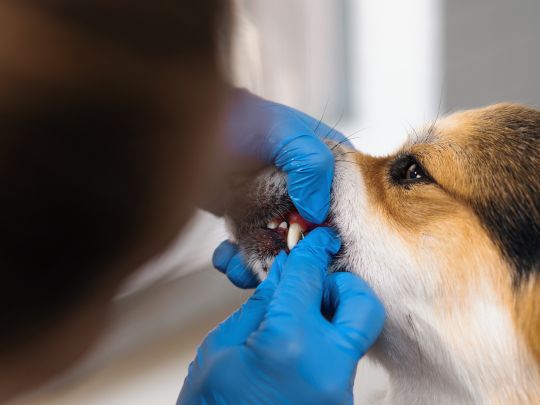
Gently introducing oral care routines prepares your pet for future brushing. - Regular Checkups
Veterinary visits ensure teeth are coming in properly without alignment issues. - Balanced Nutrition
Proper food supports strong teeth and healthy gums during this growth stage.
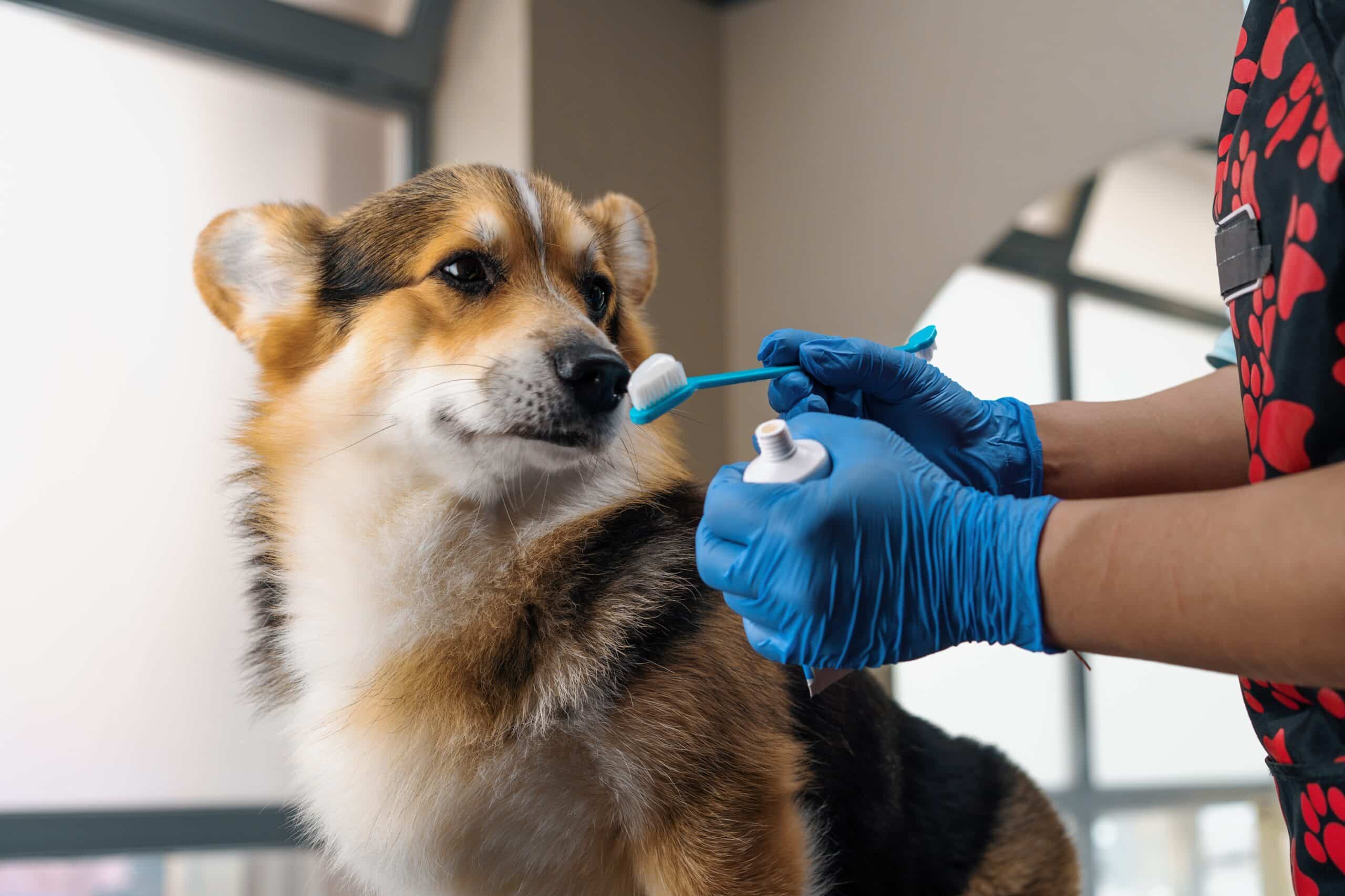
It’s also the perfect time to start learning a simple pet-teeth brushing guide, even if you only practice gentle finger brushing at first.
4 to 6 Months: Teething and Tooth Replacement
This stage is one of the most noticeable phases in your pet’s dental journey. Baby teeth begin to fall out, and adult teeth start to replace them. You may find small teeth around your home, which is completely normal.
During this period, your pet may face mild discomfort, so your care becomes more important:
- Teething support: Offering slightly firmer chew toys helps soothe gums and supports healthy chewing habits.
- Monitoring tooth loss: Make sure baby teeth are falling out naturally and not causing crowding.
- Avoiding hard items: Very hard toys or bones can damage developing adult teeth and should be avoided.
- Routine handling: Continue touching your pet’s mouth gently to keep them comfortable with dental care.
6 Months to 1 Year: Adult Teeth Set In
By the time your pet reaches six months of age, most of their adult teeth should be in place, marking a transition from development to maintenance, where your focus shifts toward keeping those teeth clean and healthy.
Important steps during this stage include:
- Establishing brushing routines
Regular brushing helps remove plaque before it becomes a bigger issue. - Dental-friendly treats
Special treats can support oral health while still being enjoyable for your pet. - Veterinary evaluations
A veterinarian can check alignment and overall dental condition during routine visits. - Consistent care habits
Sticking to a schedule ensures long-term success in maintaining oral hygiene.
It is a great time to fully implement a routine based on a reliable pet-teeth-brushing guide, making brushing a normal part of your pet’s life.
1 to 3 Years: Maintaining Healthy Teeth
Young adult pets often appear healthy, but dental issues can begin to develop quietly during this stage. Plaque can harden into tartar if not managed properly, which can lead to gum irritation.
To keep your pet’s teeth in good condition, focus on:
- Daily or Frequent Brushing
Regular cleaning helps prevent buildup that can lead to more serious problems. - Routine Dental Checkups
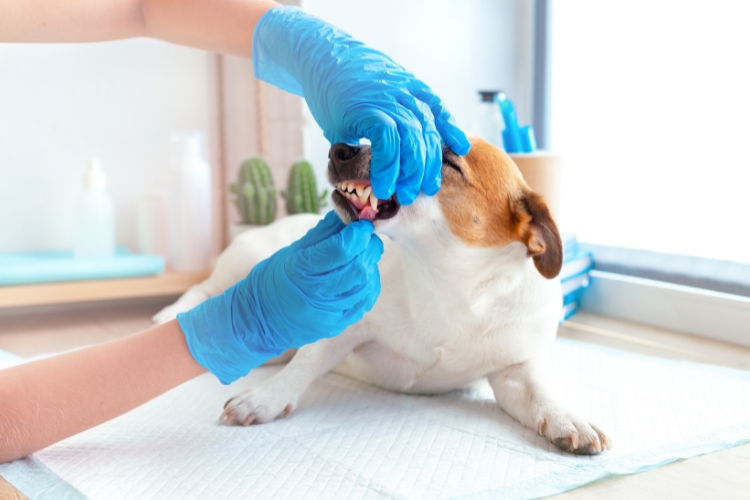
Veterinary dental exams catch early signs of dental disease before they worsen. - Proper Diet Choices
Certain foods are designed to support oral health and reduce plaque. - Observation of Changes
Watch for signs like bad breath or difficulty chewing.
Following pet dental care guidelines by age ensures you meet your pet’s needs as they transition into full adulthood.
3 to 7 Years: Preventing Dental Disease
During these middle years, pets are more likely to develop dental problems if proper care is not maintained.
Here are key actions to focus on:
- Professional cleanings
Regular cleanings remove tartar that cannot be handled at home. - Monitoring gum health
Healthy gums should look pink and firm without swelling or bleeding. - Consistent home care
Brushing and dental treats should remain part of your routine. - Early intervention
Addressing small issues quickly prevents larger complications.
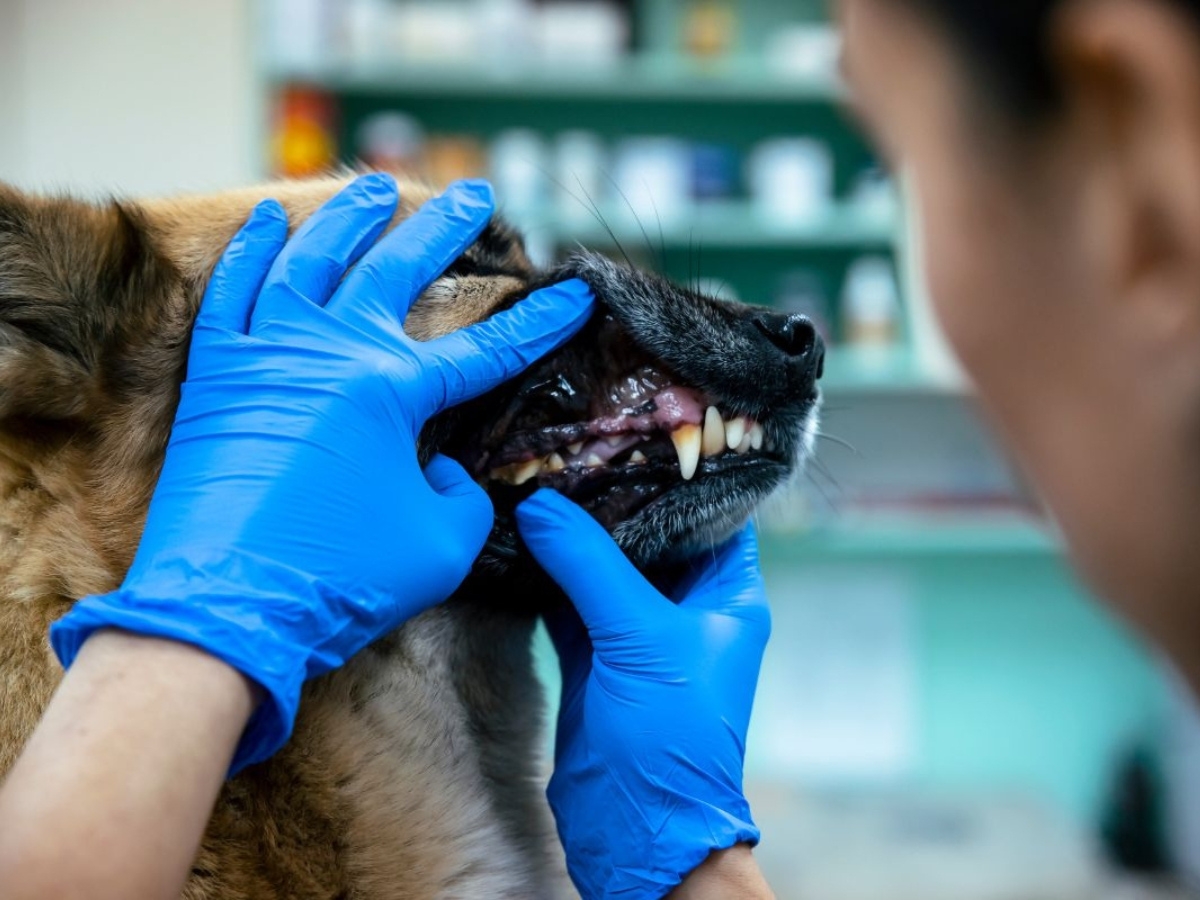
At this stage, veterinary dental care becomes essential in maintaining your pet’s oral health and avoiding painful conditions.
7 Years and Beyond: Senior Dental Care Needs
As pets age, their dental needs become more specific and often require extra attention. Teeth may wear down, and gums may become more sensitive, which makes gentle care even more important.
Supporting your senior pet includes:
- Frequent dental exams
- Soft diet options
- Pain awareness
- Gentle cleaning routines
Signs Your Pet May Have Dental Problems
Recognizing early signs of dental issues can help you act quickly and prevent discomfort for your pet. Many problems start small but can become serious if ignored.
Look out for these warning signs:
- Bad breath: Persistent odor can indicate underlying dental problems that need attention.
- Red or swollen gums: It may be a sign of gum disease or irritation.
- Difficulty eating: Hesitation or pain while chewing should never be ignored.
- Excessive drooling: Increased saliva can signal oral discomfort or infection.
Building a Lifelong Dental Routine
Creating a dental care routine does not have to be complicated or stressful. The key is consistency and starting early so your pet becomes comfortable with the process. Small daily habits can lead to long-term benefits that are easy to maintain.
Focus on combining at-home care with visiting a vet so your pet receives comprehensive care. Over time, these routines become a natural part of your daily life, making it easier to keep your pet healthy and happy.
Help Your Pet Receive the Right Dental Care
Caring for your pet’s teeth at every stage of life is one of the best ways to support their overall health and comfort. From early development to senior years, each stage requires attention and consistency to prevent problems before they begin. When you stay informed and proactive, you give your pet a better quality of life.
If you want to stay on top of your pet’s dental health at every stage, having guidance on dental care near you can make all the difference. Book an appointment with White Oak Veterinary Clinic for personalized care and veterinary advice. Our team will help ensure your pet’s teeth stay healthy for years to come.
FAQs
1. When should I start brushing my pet’s teeth?
You can begin introducing brushing as early as a few months old. Starting early helps your pet get comfortable with the routine and reduces resistance later.
2. How often should I brush my pet’s teeth?
Brushing several times a week is ideal, but daily brushing provides the best results for maintaining oral health.
3. Are dental treats enough for oral care?
Dental treats can help reduce plaque, but they should not replace regular brushing and veterinary care.
4. What happens if dental issues are left untreated?
Untreated dental problems can lead to pain, infection, and more serious health conditions that affect your pet’s overall well-being.
5. Do all pets need professional dental cleanings?
Yes, most pets benefit from professional cleanings at some point in their lives, depending on their dental health and risk factors.