When your cat is scheduled for a procedure, it’s easy to focus on the surgery itself and forget that what happens before the operation matters just as much. Whether it’s a routine spay or a more complex veterinary pet surgery, proper preparation can significantly reduce risk, ease your cat’s stress, and support a smoother recovery. At White Oak Veterinary Clinic in White Oak, our team has seen firsthand how a little extra preparation makes a meaningful difference in outcomes for our feline patients.
The Pre-Surgery Fasting Rule: Why It’s Non-Negotiable
One of the most important, and most frequently misunderstood, pre-surgical instructions is fasting. Most cats are required to fast for at least 8 to 12 hours before cat surgery, meaning no food after a certain time the night before. This isn’t arbitrary. Anesthesia relaxes the muscles throughout the body, including those that prevent stomach contents from traveling upward. If your cat has food in its stomach during a procedure, there is a real risk of aspiration, where vomit enters the lungs, which can be life-threatening.
Water is a different matter. In many cases, water is permitted until a few hours before the procedure, but your veterinarian will give you specific instructions based on your cat’s health status and the type of cat surgical services being performed. Always follow those instructions precisely, even if your cat is meowing for breakfast.
What many owners don’t realize is that fasting applies to treats too, not just full meals. A small piece of kibble or a lick of wet food can compromise the fast. When in doubt, remove the food bowl the evening before and keep your cat in a room without access to other pets’ food overnight.
Managing Your Cat’s Stress Before the Appointment
Cats are creatures of routine, and the morning of a surgery can be disorienting and anxiety-inducing for them. The carrier comes out, the routine changes, and the car ride begins, all before your cat has eaten anything. Managing that stress proactively is something many pet owners overlook entirely.
Start by getting your cat comfortable with the carrier days or even weeks before the appointment. Leave it out with a familiar blanket or a piece of your clothing inside. A calm carrier experience reduces the cortisol spike your cat experiences on the day of surgery, which can actually affect how they respond to anesthesia.
Feliway, a synthetic calming pheromone spray, can be applied to the inside of the carrier about 30 minutes before travel. Avoid washing your cat’s bedding immediately before the procedure. Familiar scents are genuinely comforting to cats and help them feel safe in an unfamiliar environment.
What Your Veterinary Team Needs to Know Beforehand
Open communication with your veterinary team is one of the most overlooked aspects of surgical preparation. Many pet owners assume their vet already has all the information they need, but there are several things that can change your cat’s surgical plan that you may not think to mention.
Let your veterinarian know if your cat has had any recent changes in appetite, energy, or bathroom habits. Mention any supplements, herbal remedies, or over-the-counter medications your cat takes, as some can affect bleeding time or interact with anesthesia. If your cat has had a previous reaction to sedation or anesthesia, this is critical information that needs to be on record before any veterinary pet surgery proceeds.
Also inform your team if your cat has been sneezing, coughing, or showing any signs of an upper respiratory infection in the days leading up to surgery. A cat that is even mildly ill may need to have the procedure rescheduled. Proceeding with a sick cat under anesthesia increases risk considerably.
Setting Up a Safe Recovery Space at Home
Preparation doesn’t end when you drop your cat off. It also means having your home ready before you bring your cat back. This is an area where many pet owners are caught off guard, scrambling to set up a recovery space after the fact.
Your cat will need a quiet, contained area away from other pets and young children for the first several days following cat surgery. A small room or a large playpen works well. The space should have a low-sided litter box that your cat doesn’t have to climb or strain to use, fresh water, and bedding that is easy to wash. Remove any furniture your cat might try to jump onto. Post-surgical cats often don’t realize their limitations right away, and jumping too soon can disrupt internal sutures or incision sites.
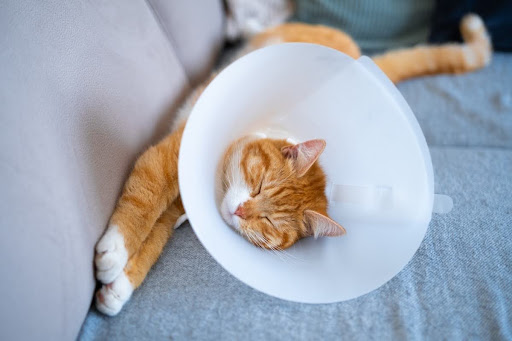
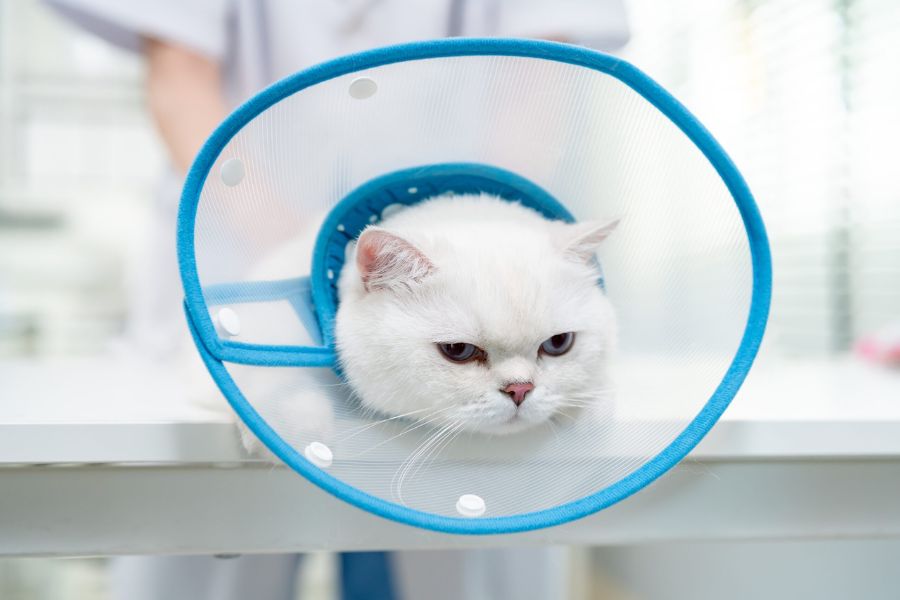
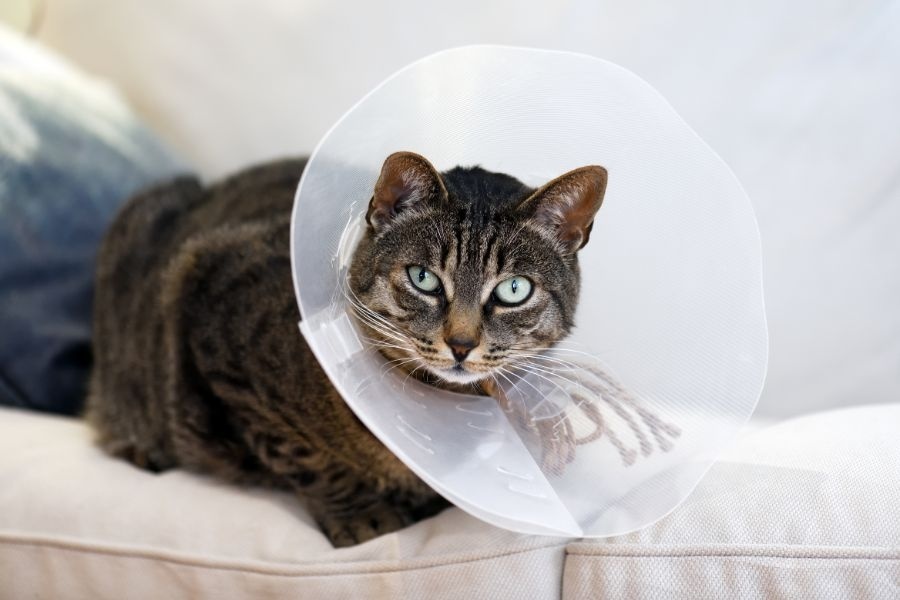
Have an e-collar (the cone) on hand and ready. Even if your veterinary team sends one home with you, knowing how to put it on correctly before you actually need to in a stressful moment is helpful. Most cats need to wear a cone for 10 to 14 days following cat surgical services to prevent licking or chewing at the incision site.
Knowing What’s Normal and What Isn’t After Surgery
Post-operative awareness is arguably the most important thing you can prepare for, and it’s routinely under-discussed. Many owners are so relieved the surgery went well that they don’t fully absorb the discharge instructions, then find themselves panicking 24 hours later over something that is, or isn’t, normal.
Grogginess and disorientation for the first several hours after coming home is completely expected. Your cat may cry, seem confused, or be unsteady on their feet as the anesthesia clears their system. A small amount of redness or mild swelling at the incision site is also normal in the first day or two.
What warrants an immediate call to your veterinarian: the incision opening or showing discharge, your cat refusing food or water for more than 24 hours after surgery, labored breathing, pale or white gums, extreme lethargy lasting more than 48 hours, or any signs of severe pain. Your team at White Oak Veterinary Clinic is always available to answer questions and help you determine whether what you’re seeing is part of normal healing or a reason to come back in.
Conclusion: Preparation Is Part of the Care
Cat surgery, whether routine or complex, is a partnership between you and your veterinary team. The more informed and prepared you are going in, the better the experience will be for both you and your cat. From following fasting guidelines and reducing pre-surgical stress to setting up a recovery space and knowing what to watch for afterward, these steps are not small details. They are an essential part of safe, successful veterinary pet surgery.
At White Oak Veterinary Clinic in White Oak, we believe every pet deserves surgical care that is as stress-free and safe as possible. Schedule your cat’s surgical consultation today and let our team walk you through everything you need to know: before, during, and after the procedure.
We are committed to guiding cat owners through every stage of surgical care with clarity, compassion, and expertise. Book your cat’s surgical consultation today and give your feline companion the careful preparation they deserve.
Frequently Asked Questions
Q1. How long does my cat need to fast before cat surgery?
Most cats need to fast for 8 to 12 hours before surgery, with no food, including treats, after the designated cutoff time. Water is often permitted until a few hours before the procedure, but your veterinarian will give you specific fasting instructions based on your cat’s individual health and the type of procedure planned.
Q2. What should I bring when I drop my cat off for cat surgical services?
Bring your cat in a secure carrier with familiar bedding, a list of any medications or supplements your cat takes, and any medical records not already on file with White Oak Veterinary Clinic. If your cat uses a specific type of litter or has known sensitivities, mention that to your care team as well.
Q3. Can I stay with my cat during veterinary pet surgery?
In almost all cases, owners are not present during the surgical procedure itself. However, your veterinary team will keep you informed before the procedure begins and will reach out as soon as your cat is in recovery. Many clinics, including White Oak Veterinary Clinic, welcome phone check-ins during longer procedures.
Q4. How do I keep my cat calm in the carrier on the way to surgery?
Spray the inside of the carrier with a calming pheromone product like Feliway about 30 minutes before travel. Use familiar, unwashed bedding inside the carrier, keep the car ride as quiet as possible, and avoid placing the carrier where your cat is exposed to direct sunlight or drafts. Speaking calmly and avoiding sudden movements also helps.
Q5. When should I be concerned after my cat’s surgery?
Mild grogginess, reduced appetite, and minor incision redness are expected in the first 24 to 48 hours. Contact your veterinarian promptly if your cat’s incision opens, shows discharge, or smells unusual; if your cat refuses food or water for more than 24 hours; if you notice labored breathing, pale gums, or extreme lethargy beyond the first two days after cat surgery.