Many pet owners make the same assumption: if a pet is eating well, acting normally, and showing no signs of illness, there is no reason to visit the vet. It is one of the most common myths in pet ownership, and it is one that quietly puts animals at risk. Routine wellness visits and pet preventative care are not just for sick animals. They are the foundation of a long, healthy life for your pet. At White Oak Veterinary Clinic, we see the difference that consistent veterinary wellness care makes, and we want every pet owner to understand why these visits matter more than most people realize.
The Myth That a “Healthy-Looking” Pet Does Not Need a Checkup
Pets are instinctively wired to hide signs of illness and pain. This behavior is rooted in survival instinct: in the wild, an animal that appears weak becomes a target. Even domesticated dogs and cats carry this trait, which means that by the time a pet is visibly unwell, a condition has often already progressed well beyond its earliest and most treatable stage.
This is the central problem with skipping routine wellness visits. A pet that seems perfectly healthy on the outside can be quietly developing kidney disease, heart disease, dental disease, diabetes, or early-stage cancer. None of these conditions announce themselves with obvious symptoms at the start. A veterinarian conducting a thorough physical examination, however, can often detect abnormalities that are invisible to even the most attentive pet owner.
Waiting until your pet shows symptoms is not a cautious approach. It is a costly one, both financially and in terms of your pet’s health and comfort. Early intervention almost always leads to better outcomes and lower treatment costs than addressing a condition that has been allowed to advance.
What Actually Happens During a Routine Wellness Visit
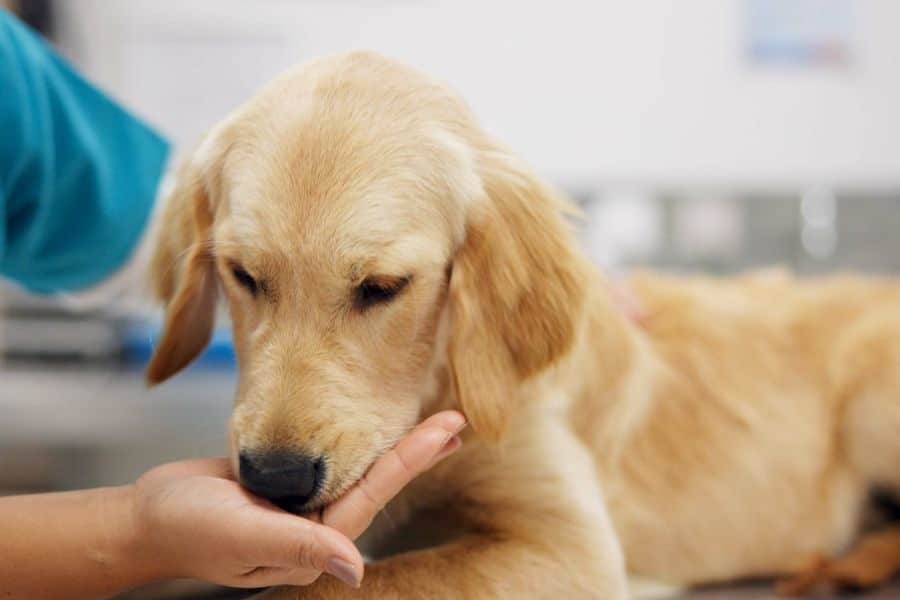
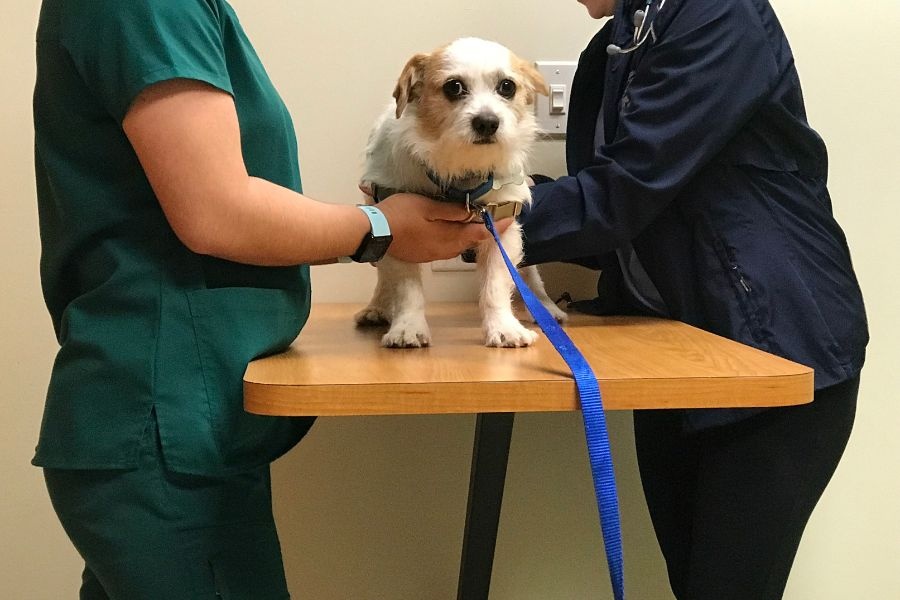
Pet owners who have never attended a wellness exam for a healthy pet are often surprised by how thorough they are. A veterinary wellness visit is not a quick look and a pat on the head. It is a comprehensive nose-to-tail evaluation that checks systems most owners cannot assess at home.
During a routine wellness visit, your veterinarian examines your pet’s eyes, ears, nose, mouth, teeth, skin, coat, lymph nodes, heart, lungs, abdomen, joints, and neurological responses. Each of these areas can reveal early warning signs of developing conditions. A slight heart murmur, a subtle change in lymph node size, early tartar buildup, or a small lump beneath the skin are all things a trained veterinarian will notice and investigate before they become serious problems.
Depending on your pet’s age and health history, the visit may also include bloodwork, urinalysis, parasite screening, or imaging. These diagnostics provide a baseline record of your pet’s normal values, which becomes invaluable if something changes in the future. Tracking trends over time is one of the most powerful tools in veterinary medicine, and it only works when there is a consistent history to compare against.
Pet Preventative Care Goes Beyond the Physical Exam
Routine wellness visits are also when your pet’s preventative care plan gets reviewed and updated. Vaccines, parasite prevention, dental care, and nutritional guidance are all part of a comprehensive pet preventative care program, and they are calibrated to your pet’s age, lifestyle, and risk factors at each visit.
Vaccine needs change over time. A puppy or kitten has a very different schedule than a senior pet, and an indoor cat has different exposure risks than an outdoor dog. Your veterinarian uses each wellness visit as an opportunity to assess what your pet actually needs rather than applying a one-size-fits-all approach.
Parasite prevention is another area where routine veterinary wellness guidance matters. Fleas, ticks, heartworm, and intestinal parasites are not just nuisances. They can cause serious illness and, in some cases, can be transmitted to the humans in your household. Staying current on prevention is far simpler and less expensive than treating an active infestation or infection.
How Age Changes What Your Pet Needs from Wellness Care
A wellness visit for a young, healthy adult pet looks different from one for a senior animal, and both look different from a puppy or kitten visit. Age is one of the biggest factors in determining how often your pet should be seen and what should be screened for at each stage.
Young pets need more frequent visits during their first year to complete vaccination series, monitor growth, and establish healthy baselines. Adult pets in the prime of life are often seen annually, with the exam focused on maintaining health and catching anything that might be developing below the surface. Senior pets, generally those over seven years old depending on species and size, benefit from twice-yearly visits because age-related conditions can progress quickly and early detection becomes even more critical.
In White Oak, we encourage pet owners to think of wellness visits on a scale that reflects how quickly pets age compared to humans. One year in a pet’s life is not the same as one year in a human’s life. Regular veterinary wellness check-ins account for that accelerated timeline and ensure that nothing slips through the cracks between visits.
The Long-Term Value of Consistent Preventative Care
There is a straightforward financial argument for routine wellness visits that often gets overlooked. Pet preventative care is significantly less expensive than emergency or specialist care. A wellness visit that catches early-stage kidney disease allows for dietary and medical management that can extend your pet’s life by years. Missing that window can mean managing a much more advanced condition at a much higher cost, with a much shorter runway for your pet’s comfort and quality of life.
Beyond the financial side, there is the relationship between your veterinarian and your pet to consider. A pet that visits the clinic regularly is a pet with a documented health history, a team that knows their personality and baseline health, and a veterinarian who can spot changes that would not be obvious to someone seeing the animal for the first time. That continuity of care is one of the most underrated benefits of staying consistent with routine wellness visits.
Conclusion: Preventive Care Is the Smartest Investment You Can Make for Your Pet
Skipping wellness visits for a healthy pet is not saving money or avoiding unnecessary appointments. It is leaving your pet without the one tool most likely to catch serious problems before they become emergencies. Routine wellness visits, consistent pet preventative care, and ongoing veterinary wellness monitoring are the most reliable way to give your pet a longer, healthier, and more comfortable life.
At White Oak Veterinary Clinic in White Oak, we are proud to partner with pet owners who want to be proactive about their animal’s health. Schedule your pet’s wellness visit today and let our team build the kind of long-term care relationship your pet deserves. We are committed to keeping your pet healthy through every stage of life with thorough, compassionate veterinary wellness care. Book your pet’s routine wellness visit today and take the most important step in preventive pet health.
Frequently Asked Questions
Q1. How often should a healthy pet have a routine wellness visit?
Most healthy adult pets benefit from at least one veterinary wellness visit per year. Puppies, kittens, and senior pets typically need more frequent visits to address their rapidly changing health needs. Your veterinarian will recommend a schedule based on your pet’s age, breed, and health history.
Q2. What is the difference between a wellness visit and a sick visit?
A wellness visit is a proactive, scheduled checkup for a pet that appears healthy. The goal is prevention, early detection, and maintaining a health baseline. A sick visit addresses a specific concern or symptom. Both are important, but routine wellness visits are what allow problems to be caught before a sick visit becomes necessary.
Q3. Is pet preventative care really worth the cost?
Yes. Treating a condition caught early during a routine wellness visit is almost always less expensive and less invasive than treating the same condition after it has advanced. Preventative care, including vaccines, parasite prevention, dental cleanings, and early diagnostics, protects your pet and your budget at the same time.
Q4. My indoor cat never goes outside. Do they still need routine wellness visits?
Absolutely. Indoor cats are still susceptible to dental disease, kidney disease, obesity, hyperthyroidism, diabetes, and other conditions that have nothing to do with outdoor exposure. Regular veterinary wellness exams are just as important for indoor cats as they are for outdoor pets.
Q5. What should I bring to my pet’s routine wellness visit at White Oak Veterinary Clinic?
Bring any previous medical records if your pet is new to our clinic, a list of current medications or supplements, and a fresh stool sample if your veterinarian has requested parasite screening. Most importantly, bring any questions or observations about changes in your pet’s behavior, appetite, or energy, no matter how small they seem.