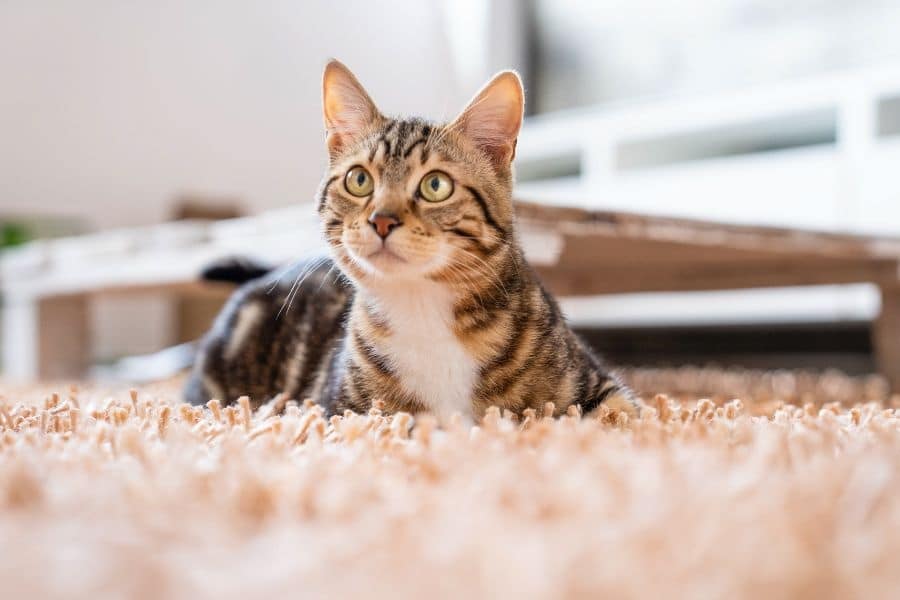
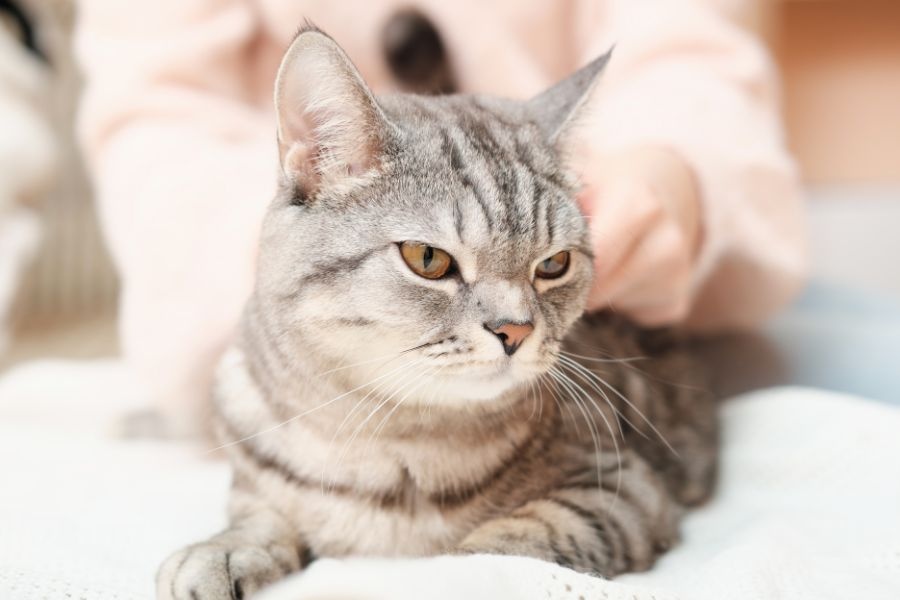
Many cat owners believe that keeping their feline companions indoors automatically protects them from health problems. While indoor cats are generally exposed to fewer external dangers than outdoor cats, they are not immune to illness, disease, or age-related health concerns. In fact, many medical conditions develop gradually and without obvious symptoms, making cat preventative care an essential part of maintaining a long, healthy life.
Preventative veterinary care focuses on identifying potential health concerns before they become serious problems. Through routine examinations, health screenings, nutritional guidance, and ongoing monitoring, veterinarians can help indoor cats enjoy better quality of life throughout every stage of their lives.
Why Indoor Cats Face Health Risks Too
It is easy to assume that indoor living eliminates most health concerns. However, cats can develop a variety of medical conditions regardless of whether they ever step outside.
Some common issues seen in indoor cats include:
- Obesity
- Dental disease
- Kidney disorders
- Arthritis
- Diabetes
- Heart conditions
- Digestive issues
- Thyroid disorders
Many of these conditions begin silently and progress over time. Without routine veterinary visits, problems may go unnoticed until they significantly affect a cat’s health and comfort.
Understanding the Importance of Cat Preventative Care
Early Detection Makes a Difference
One of the biggest benefits of cat preventative care is early disease detection. Cats are naturally skilled at hiding discomfort and illness. This behavior is a survival instinct inherited from their wild ancestors.
As a result, owners may not notice signs of illness until a condition has advanced.
Routine veterinary evaluations can help identify:
- Changes in weight
- Abnormal heart sounds
- Organ function concerns
- Joint problems
- Behavioral changes
- Early signs of chronic disease
Finding these issues early often allows for more effective management and improved long-term outcomes.
Monitoring Health Throughout Life
A kitten’s healthcare needs differ significantly from those of an adult or senior cat.
Regular veterinary care allows professionals to monitor:
- Growth and development
- Nutritional needs
- Age-related changes
- Mobility concerns
- Overall wellness
Consistent monitoring creates a health history that helps veterinarians recognize subtle changes over time.
Dental Health Is Often Overlooked
Dental disease is one of the most common health issues affecting cats, including those that never go outdoors.
Why Dental Problems Matter
Oral health issues can impact much more than the mouth. Untreated dental disease may contribute to discomfort, difficulty eating, and broader health complications.
Signs that may indicate dental concerns include:
- Bad breath
- Drooling
- Reduced appetite
- Difficulty chewing
- Pawing at the mouth
Routine veterinary evaluations can help identify dental issues before they significantly affect your cat’s wellbeing.
Weight Management and Nutritional Support
Indoor cats often lead less active lifestyles than outdoor cats. While this can reduce certain risks, it may also increase the likelihood of weight gain.
Obesity Can Affect Overall Health
Excess weight may contribute to several health concerns, including:
- Joint stress
- Reduced mobility
- Diabetes
- Heart strain
- Decreased energy levels
Veterinarians can assess body condition, recommend appropriate nutrition plans, and provide guidance that supports healthy weight maintenance.
Routine Screening Helps Detect Hidden Conditions
Many diseases develop gradually and show few visible symptoms during their early stages.
Conditions That Often Go Unnoticed
Veterinary screenings may help identify:
- Kidney disease
- Thyroid abnormalities
- Liver concerns
- Blood pressure issues
- Metabolic disorders
These conditions often respond better when discovered early, making regular veterinary evaluations an important part of responsible pet ownership.
Behavioral Changes Can Signal Medical Problems
Cats communicate differently than people. Instead of obvious signs of illness, they may show subtle behavioral changes.
Examples include:
- Increased hiding
- Reduced interaction
- Changes in litter box habits
- Altered sleeping patterns
- Increased irritability
Veterinarians can help determine whether these changes are related to underlying medical conditions, stress, aging, or other factors.
How Preventative Care Supports Senior Cats
As cats age, their healthcare needs become increasingly important.
Aging Brings New Challenges
Senior cats are more likely to experience:
- Joint discomfort
- Organ function changes
- Vision decline
- Hearing loss
- Cognitive changes
Regular veterinary visits allow these issues to be monitored and managed appropriately, helping senior cats remain comfortable and active for as long as possible.
Building a Long-Term Veterinary Relationship
A strong partnership between pet owners and veterinary professionals benefits cats throughout their lives.
When veterinarians become familiar with a cat’s health history, they can:
- Track long-term trends
- Recognize subtle changes
- Provide personalized recommendations
- Support proactive healthcare decisions
This continuity of care often leads to more informed treatment planning and improved health outcomes.
Why Consistency Matters
Skipping routine veterinary visits simply because a cat appears healthy can allow hidden conditions to progress unnoticed.
Consistent care provides opportunities to:
- Monitor overall wellness
- Assess physical condition
- Discuss nutrition
- Evaluate behavioral changes
- Address owner concerns
Regular checkups help ensure that minor concerns do not develop into larger health challenges.
Creating a Healthier Future for Indoor Cats
Many pet owners associate veterinary care primarily with illness or injury. However, preventative care plays an equally important role in helping cats stay healthy and comfortable throughout their lives.
From monitoring weight and dental health to identifying hidden diseases and supporting healthy aging, cat preventative care provides valuable protection for indoor cats. Even cats that spend their entire lives indoors benefit from ongoing veterinary attention and professional health assessments.
For families in White Oak, maintaining regular veterinary visits can help ensure that feline companions receive the care they need to thrive for years to come.
Schedule an Online Appointment Today
If you are from White Oak and looking for cat preventative care for your feline companion, consider scheduling an online appointment with White Oak Veterinary Clinic. Regular veterinary evaluations can help support lifelong wellness and provide valuable insights into your cat’s overall health.
Frequently Asked Questions
Q1. How often should indoor cats visit a veterinarian?
Most indoor cats benefit from routine wellness examinations at least once a year. Senior cats or those with ongoing health concerns may require more frequent visits. Regular evaluations help veterinarians monitor changes in health and identify potential concerns before they become more serious.
Q2. Can indoor cats develop serious health problems even if they never go outside?
Yes. Indoor cats can develop a variety of conditions, including kidney disease, diabetes, dental disease, arthritis, and thyroid disorders. Many of these issues are unrelated to outdoor exposure and may develop gradually over time, making routine veterinary care especially important.
Q3. What are the early signs that an indoor cat may be unwell?
Subtle changes such as reduced activity, increased hiding, appetite changes, weight fluctuations, altered litter box habits, or behavioral shifts may indicate underlying health concerns. Cats often hide discomfort, which is why routine health evaluations remain important even when no obvious symptoms are present.
Q4. Why is dental care important for indoor cats?
Dental disease is common among cats and can affect overall health and comfort. Problems within the mouth may contribute to pain, eating difficulties, and other complications. Regular veterinary assessments help identify oral health concerns before they progress significantly.
Q5. What happens during a preventative veterinary visit for a cat?
A preventative visit typically includes a physical examination, weight assessment, discussion of behavior and nutrition, and evaluation of overall health. Depending on the cat’s age and condition, additional diagnostic screenings may be recommended to provide a more complete picture of wellness.