Sharing your home with a dog brings endless joy, loyalty, and companionship. From greeting you eagerly at the door after a long day to joining you for afternoon strolls, your canine companion is an integral part of your family. However, responsible pet ownership extends far beyond providing daily meals and outdoor playtime. One of the most critical yet frequently overlooked aspects of canine wellness is oral hygiene. While many pet owners focus heavily on grooming and nutrition, dental health often slips into the background until an obvious problem arises.
Statistically, dental disease is one of the most common medical conditions diagnosed in adult dogs, affecting a vast majority of pets by the time they reach middle age. Despite how common it is, many owners miss the early warning indicators because dogs are remarkably resilient at hiding oral discomfort. Understanding the progression of canine dental issues, investigating common dog bad breath causes, and recognizing the distinct canine periodontal disease stages can protect your pet from chronic pain and systemic organ strain. Here at White Oak Veterinary Clinic in White Oak, our veterinary team frequently guides local pet families through proactive dental care. Let us explore what you need to know to keep your dog’s smile bright and healthy.
Understanding the Progression of Canine Periodontal Disease
Periodontal disease does not happen overnight. It begins as a quiet, cumulative process driven by the daily accumulation of food particles, saliva, and bacteria in the mouth. When these substances combine on the tooth surface, they form a sticky film known as plaque. If plaque is not regularly brushed away, minerals in the saliva harden it into a rough, yellowish-brown crust called tartar within just a few days.
As tartar builds up along and beneath the gumline, it creates a hospitable environment for anaerobic bacteria to multiply rapidly. This triggers an inflammatory immune response in the surrounding gum tissues, known as gingivitis. If left unaddressed, the infection spreads deeper into the supporting structures of the tooth, breaking down the periodontal ligament and destroying the bone socket. Recognizing the signs of dental disease in dogs early prevents this destructive cycle from causing irreversible tooth loss.
Identifying the Early Warning Signs at Home
Because dogs cannot speak to tell us when their teeth hurt, pet owners must act as frontline observers. Catching dental issues in their earliest stages requires knowing what subtle physical and behavioral cues to watch for during daily interactions:
- Persistent Bad Breath: While dog breath is rarely minty fresh, a pungent, rotting, or sour odor indicates bacterial overgrowth and active infection beneath the gumline.
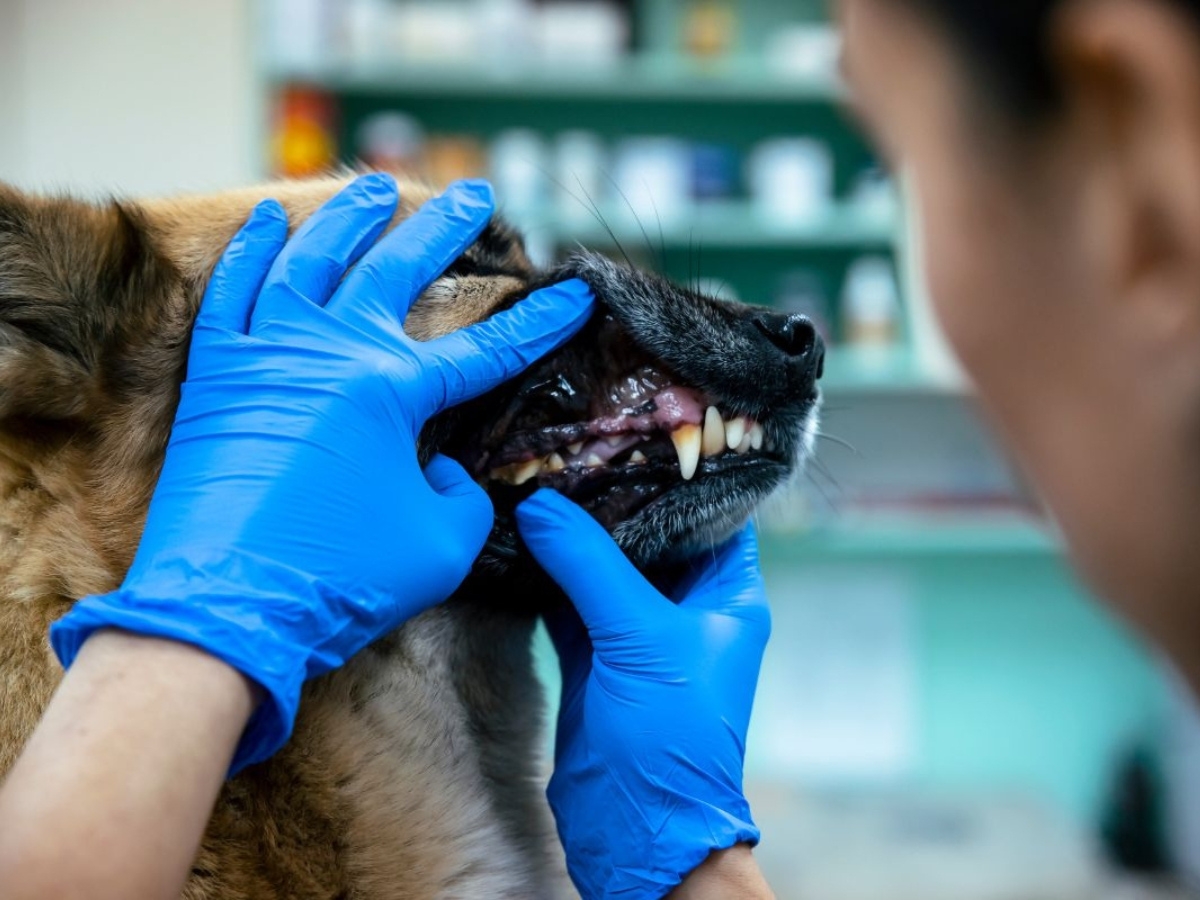
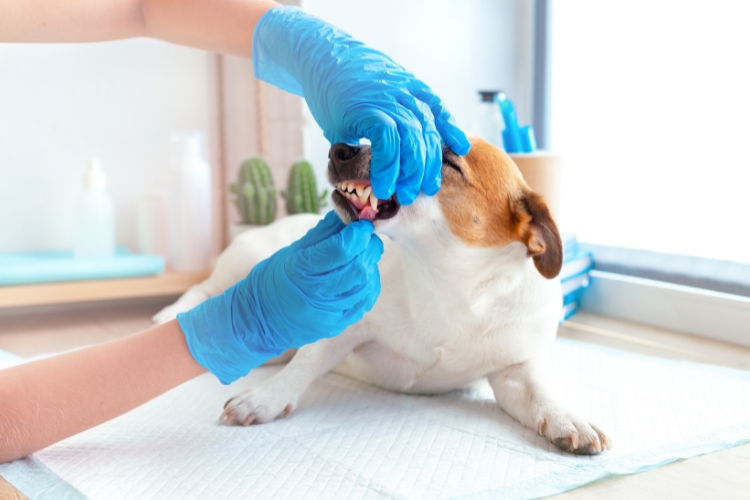
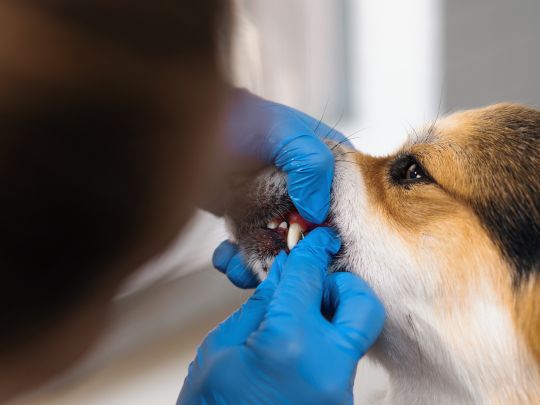
- Red, Swollen Gums: Lifting your dog’s lip should reveal smooth, pale pink gums. If you notice bright red lines or swollen tissue where the tooth meets the gum, gingivitis is present.
- Visible Tartar Accumulation: Thick, yellowish-brown crusts coating the outer surface of the back molars signify hardened plaque that requires professional removal.
- Changes in Eating Habits: A dog experiencing tooth pain may approach the food bowl enthusiastically, only to chew hesitantly on one side, drop kibble on the floor, or walk away entirely.
- Excessive Drooling or Pawing at the Mouth: Unexplained drooling or frequent pawing at the facial area indicates sharp pain, broken teeth, or soft-tissue irritation.
Exploring Common Dog Bad Breath Causes
One of the most frequent reasons pet parents schedule a dental consultation is a sudden or persistent change in their dog’s breath odor. While owners often investigate dog bad breath causes by looking at dietary changes or scavenger habits around the yard, the root cause is almost always bacterial fermentation inside the oral cavity.
When harmful bacteria thrive in plaque pockets, they release volatile sulfur compounds that produce a foul smell. While chewing on non-food items, kidney disease, or sinus infections can occasionally contribute to bad breath, periodontal disease remains the primary culprit. Masking the odor with dental chews or breath mints provides only temporary relief without addressing the underlying bacterial infection destroying your dog’s gum tissue.
The Hidden Impact on Systemic Organ Health
Ignoring your dog’s oral hygiene does more than just cause unpleasant breath and eventual tooth loss. The mouth is heavily vascularized, meaning that millions of harmful bacteria residing in infected dental plaque have a direct gateway into the bloodstream every time your dog chews or swallows.
Once these bacteria enter the circulatory system, they travel throughout the body, placing unnecessary strain on vital internal organs. Chronic periodontal infections are heavily linked to secondary complications involving the heart valves, kidneys, and liver. Maintaining proper oral health through routine dog teeth cleaning is not merely an aesthetic choice; it is a fundamental pillar of protecting your pet’s long-term internal vitality and systemic health.
Professional Intervention and Modern Dental Care
When plaque hardens into tartar below the gumline, home brushing alone cannot remove it. Professional veterinary intervention is required to safely restore oral health. A comprehensive dental visit involves scaling the tooth surfaces above and below the gumline using specialized ultrasonic equipment, followed by polishing the enamel to deter future plaque attachment.
Modern veterinary dentistry also utilizes diagnostic dental X-rays to visualize the roots and bone structure hidden beneath the gumline, where the majority of periodontal disease actually occurs. Partnering with a dedicated veterinary team ensures that your dog receives thorough, safe, and professional care tailored to their individual health status.
Partnering with Your Local White Oak Animal Care Team
Navigating canine dental health is much easier when you have an experienced and compassionate veterinary team supporting your family. Every dog has a unique health history and dental profile, meaning their preventative care plan should be customized to fit their specific needs.
Our team at White Oak Veterinary Clinic is proud to serve pet parents throughout the White Oak community. Whether you want to learn more about canine periodontal disease stages, need guidance on home dental hygiene routines, or wish to schedule a professional evaluation, our experienced professionals are here to support you. Reach out to our White Oak clinic today to schedule a consultation and help your canine companion maintain a healthy, pain-free smile for years to come.
FAQ
Q1. What causes bad breath in dogs, and when does it signal a medical problem?
Ans: While mild odor can happen, persistent foul breath is typically caused by sulfur-producing bacteria multiplying within plaque and tartar, indicating underlying periodontal disease.
Q2. Can I use human toothpaste to brush my dog’s teeth at home?
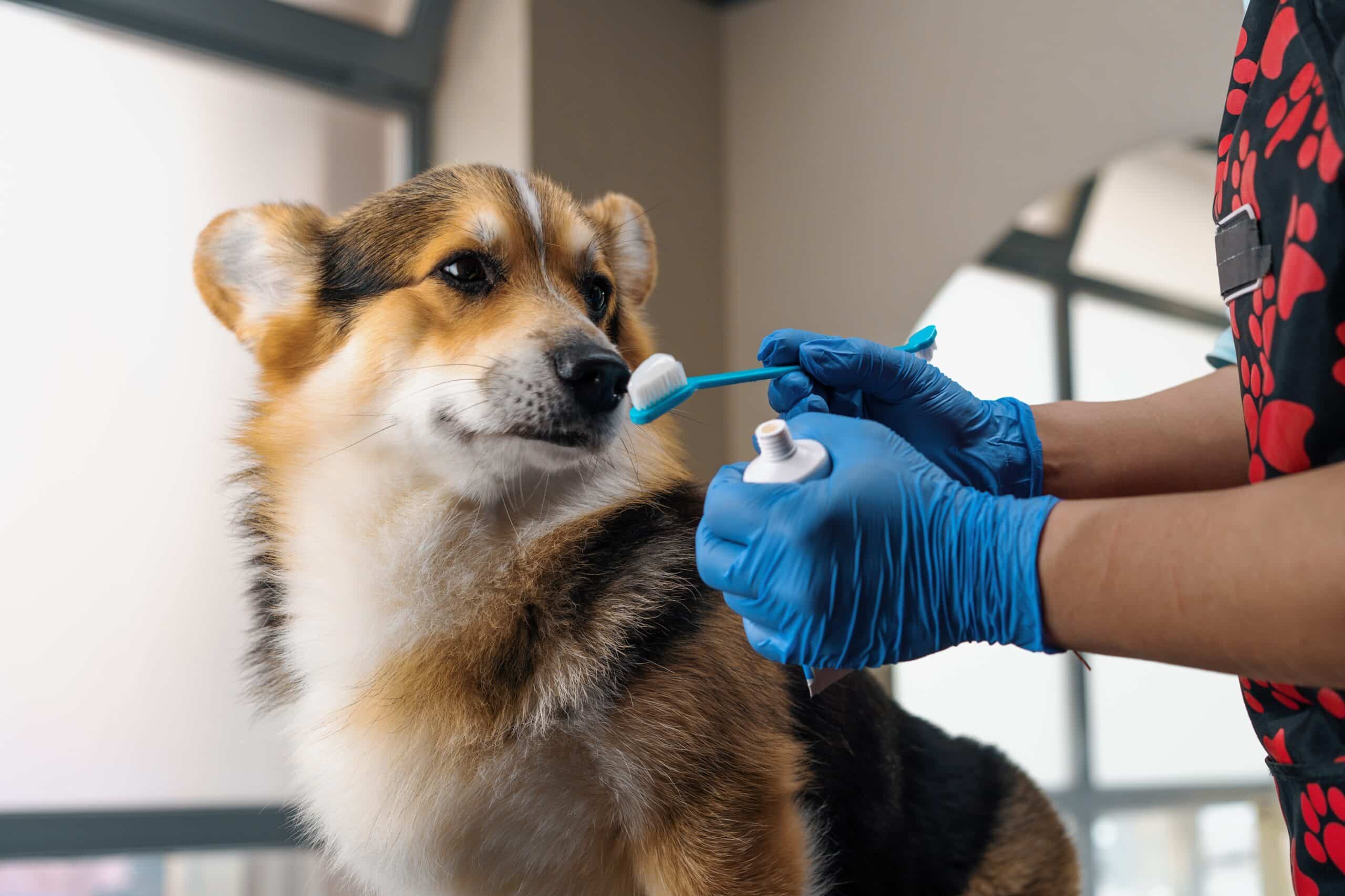
Ans: No, human toothpaste contains foaming agents, fluoride, and artificial sweeteners that are toxic to dogs and should never be swallowed by canine pets.
Q3. Why is professional veterinary teeth cleaning necessary if I brush my dog’s teeth regularly?
Ans: Professional cleanings remove hardened tartar from beneath the gumline where toothbrush bristles cannot reach, utilizing specialized equipment and safe anesthesia for a complete evaluation.
Q4. How do veterinarians determine the severity of periodontal disease during an exam?
Ans: Veterinarians evaluate gum inflammation, measure pocket depths around the teeth, and take dental X-rays to assess bone loss and root health beneath the surface.
Q5. At what age should I start monitoring my dog for signs of dental disease?
Ans: You should begin evaluating your dog’s teeth at home as a puppy and schedule professional oral assessments during their annual wellness exams starting at one year of age.