
It can be worrying when your cat returns home after surgery and shows little interest in food. Cats are often particular about their eating habits, and even a normally enthusiastic eater may ignore a meal after a medical procedure. Although a temporary appetite change can happen during recovery, refusing food can also signal discomfort, nausea, medication effects, or another problem that needs veterinary attention.
For cat owners in White Oak, understanding why appetite changes occur after cat surgery can help you respond calmly and appropriately. Knowing what to monitor, when to contact your veterinarian, and how to make meals more comfortable can support your cat’s recovery. White Oak Veterinary Clinic can provide guidance tailored to your cat’s procedure, health history, and post-operative needs.
Is It Normal for a Cat to Stop Eating After Surgery?
Some cats eat less than usual during the first part of recovery. Anesthesia can temporarily affect alertness and coordination, while the unfamiliar experience of traveling to a clinic and undergoing a procedure may cause stress. Your cat might prefer sleeping in a quiet location rather than approaching the food bowl.
However, a reduced appetite should not automatically be considered normal. Cats have specific nutritional needs, and prolonged food refusal can contribute to dehydration, weakness, and other complications. Cats that are overweight may also be vulnerable to hepatic lipidosis, a serious liver condition associated with inadequate food intake.
The expected recovery pattern depends on the type of surgery, the medications used, your cat’s age, and any underlying health conditions. Follow the discharge instructions provided by your veterinarian and ask how long it is reasonable to wait before reporting a change in appetite.
Common Reasons Cats Refuse Food After Surgery
Effects of Anesthesia
General anesthesia can leave a cat sleepy or slightly disoriented for a period after the procedure. Some cats may also experience nausea as the effects of anesthesia wear off. These effects can make food less appealing, especially during the initial recovery period.
Offer food only when your veterinarian says it is appropriate and your cat is alert enough to swallow safely. Avoid placing food directly into your cat’s mouth if they remain drowsy or uncoordinated. Contact the veterinary team if your cat’s alertness does not improve as expected or if vomiting develops.
Pain or Physical Discomfort
Pain can significantly reduce appetite. A cat recovering from abdominal surgery, dental treatment, or another procedure may find eating uncomfortable. Jaw soreness, difficulty lowering the head, tenderness around the body, or discomfort when changing position can all interfere with normal feeding.
Cats often hide signs of pain, so look for subtle changes. Your cat may crouch, withdraw from family members, resist being touched, growl when approached, or repeatedly approach the food bowl without eating.
Never adjust pain medication or give human pain relievers without veterinary approval. If discomfort appears to be preventing your cat from eating, contact your veterinarian to discuss whether the treatment plan needs reassessment.
Medication-Related Nausea
Some medications prescribed after veterinary surgery can cause nausea, stomach irritation, or changes in appetite. The procedure itself and changes in feeding schedules may also affect digestion.
Follow the medication label and discharge instructions carefully, including whether a medicine should be given with food. If your cat refuses to eat, ask the veterinary team how to handle the next scheduled dose. Do not stop a prescribed medication, repeat a dose after vomiting, or change the amount without professional guidance.
Stress and Changes in Routine
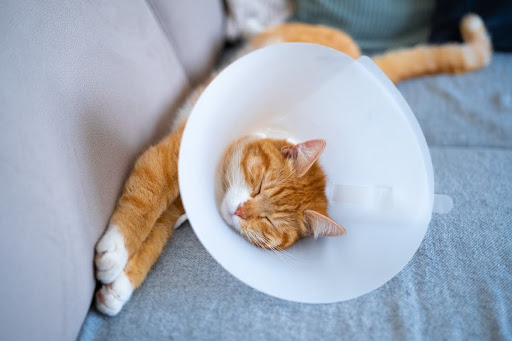
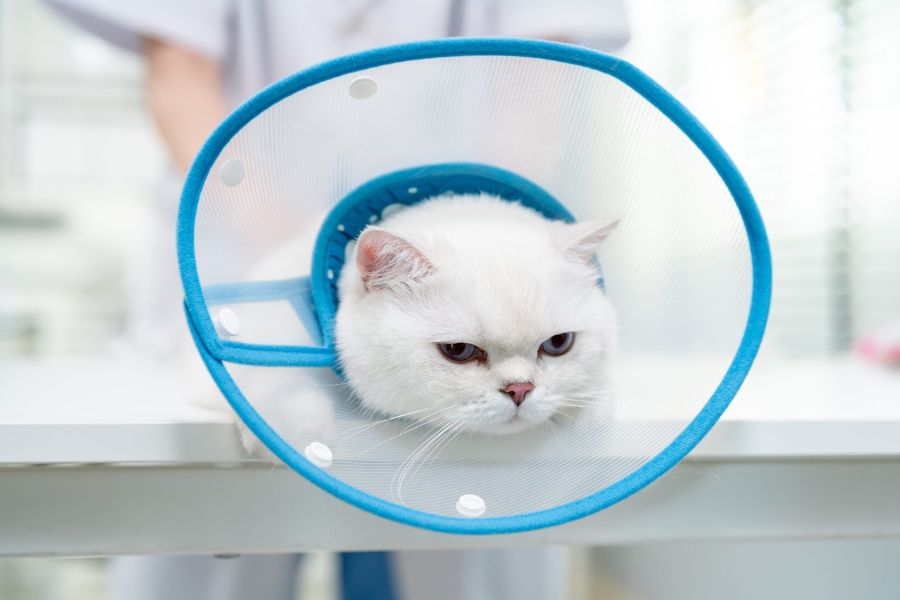
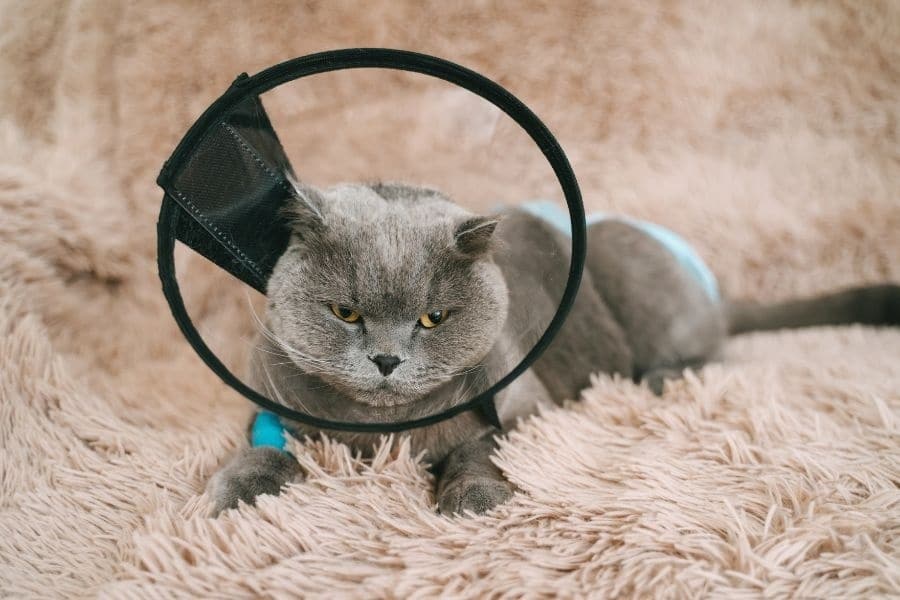
Cats depend on familiar surroundings and predictable routines. Returning home after a clinic visit may leave your cat feeling unsettled, particularly if they must wear a protective collar or stay separated from other pets.
Noise, visitors, unfamiliar smells, and frequent handling can make eating less appealing. Set up a quiet recovery area with comfortable bedding, easy access to water, and a clean litter box. Keep the feeding area away from the litter box and allow your cat to approach food without pressure.
Changes in Smell or Food Preferences
Cats rely heavily on their sense of smell when deciding whether to eat. Nausea, stress, or certain medications may make familiar food seem less appealing. A new diet introduced around the time of surgery may also be unfamiliar.
Unless your veterinarian has prescribed a specific diet, ask whether your cat can have their usual food during recovery. Avoid introducing several new foods at once, as sudden dietary changes can upset digestion and make it harder to identify what your cat tolerates.
How to Encourage Your Cat to Eat Safely
A calm approach can make mealtimes less stressful. Start by following your veterinarian’s instructions about when feeding can resume and which foods are appropriate.
Consider these practical steps:
- Offer a small portion of the recommended food rather than a large meal.
- Serve meals in a quiet area with minimal household activity.
- Use a clean, familiar dish that is easy for your cat to reach.
- If approved by your veterinarian, slightly warming wet food may increase its aroma. Check that it is not hot before serving.
- Keep fresh water available unless your veterinarian has given different instructions.
- Record how much your cat eats and drinks so you can report accurate details to the veterinary team.
Do not force-feed your cat or use a syringe to put food into their mouth unless a veterinarian has specifically instructed you and shown you how to do it safely. Force-feeding can cause distress and may lead to aspiration if food enters the airway.
Avoid offering rich table scraps, heavily seasoned foods, or unapproved treats in an attempt to stimulate appetite. If your cat has dietary restrictions following surgery, check before making any changes.
When Should You Contact Your Veterinarian?
The length of time your cat can safely go without eating varies according to age, health, and the procedure performed. Do not wait several days for appetite to return. Contact your veterinary team promptly if your cat refuses food after surgery, particularly if the discharge instructions specify a reporting timeframe or your cat has an existing medical condition.
Seek prompt veterinary advice if appetite loss occurs alongside repeated vomiting, excessive drooling, worsening lethargy, signs of pain, or difficulty drinking. Breathing difficulties, collapse, severe bleeding, or a sudden major decline in responsiveness require immediate veterinary attention.
Keep track of when your cat last ate, whether they are drinking, any vomiting or diarrhea, and the medications they have received. This information can help your veterinarian assess the situation and decide whether an examination or changes to the recovery plan are needed.
How Veterinary Follow-Up Supports Recovery
Post-operative care does not end when your cat leaves the clinic. Follow-up guidance helps the veterinary team assess healing, review medication tolerance, and identify problems that may affect eating.
Depending on the symptoms, your veterinarian may examine the surgical site, assess hydration, check for pain, or recommend diagnostic tests. Treatment will depend on the underlying cause rather than appetite loss alone.
White Oak Veterinary Clinic can help cat owners understand what to expect after pet surgical services and when a change in appetite deserves attention. Keep follow-up appointments and share any concerns, even if your cat seems comfortable otherwise. Early communication can help prevent a manageable recovery issue from becoming more serious.
Help Your Cat Recover Comfortably With Veterinary Guidance
A cat that stops eating after surgery may be experiencing temporary nausea, stress, pain, or a medication-related effect. However, persistent appetite loss should never be ignored. Offering a quiet feeding area, following post-operative instructions, and monitoring food intake can help you support recovery while recognizing when professional advice is needed.
If your cat is reluctant to eat after a procedure, contact White Oak Veterinary Clinic in White Oak for guidance. Schedule a veterinary appointment or consultation to discuss your cat’s symptoms, medication instructions, and recovery needs. The veterinary team can help determine the next appropriate steps based on your cat’s individual condition.
Frequently Asked Questions
Q1. How long can my cat go without eating after surgery?
Ans: The safe timeframe varies depending on your cat’s health and procedure. Contact your veterinarian promptly if your cat refuses food or reaches the reporting timeframe stated in the discharge instructions. Do not wait several days for appetite to return.
Q2. Should I change my cat’s food if they will not eat after surgery?
Ans: Ask your veterinarian before changing the diet. Your cat may be able to eat familiar food, but certain procedures require specific dietary instructions. Avoid introducing multiple new foods or rich treats without approval.
Q3. Can pain medication make my cat lose their appetite?
Ans: Some medications can cause nausea or digestive discomfort, although pain itself may also reduce appetite. Tell your veterinarian about the appetite change and ask how to manage scheduled doses. Never change or stop medication without professional guidance.
Q4. Is it safe to hand-feed a cat recovering from surgery?
Ans: You may offer food gently if your cat is alert and willing to eat, but never force food into their mouth. If your cat is drowsy, nauseated, or repeatedly refusing food, contact your veterinarian for advice.
Q5. What information should I share with my veterinarian if my cat will not eat?
Ans: Explain when your cat last ate, how much they have consumed, whether they are drinking, and whether vomiting, behavior changes, or signs of pain are present. Mention all medications given and follow the clinic’s instructions for next steps.