
Noticing a lump or swelling just below your dog’s eye can be alarming. Many pet owners initially assume it is an insect sting, an eye infection, or a minor injury. However, swelling in this particular area can sometimes point to a dental problem hidden beneath the gumline. One possible cause is a carnassial tooth root abscess, a painful infection involving the roots of an upper tooth.
Understanding the connection between dental health and facial swelling can help you recognize when your pet needs veterinary attention. At White Oak Veterinary Clinic in White Oak, pet dental care includes recognizing oral health concerns that may not be immediately visible during everyday interactions with your dog or cat.
What Is a Carnassial Tooth?
Carnassial teeth are specialized teeth that help dogs and cats shear and break down food. In dogs, the upper fourth premolar is the main upper carnassial tooth. It has multiple roots that extend deep into the upper jaw, positioned close to the structures beneath the eye.
This anatomical relationship explains why an infection around the roots of this tooth can cause visible swelling below the eye. When bacteria enter the tooth’s inner structures or surrounding periodontal tissues, an abscess may develop. The infection can create pressure and inflammation that eventually become noticeable on the outside of the face.
Although the upper fourth premolar is a common concern in dogs, cats can also develop tooth root abscesses involving other teeth. The location and appearance of swelling depend on which tooth is affected.
Why Does a Tooth Root Abscess Develop?
A tooth root abscess occurs when bacteria reach the tissues around a tooth’s root and cause infection. Several dental problems can create an opportunity for bacteria to enter these deeper structures.
1. Fractured or Broken Teeth
Dogs that chew hard objects, bones, antlers, or other rigid materials may damage their teeth. A slab fracture of the upper fourth premolar can expose sensitive inner tooth tissue, allowing bacteria to travel deeper into the tooth.
Some fractures are difficult to notice without examining the mouth closely. A pet may continue eating despite having a painful damaged tooth.
2. Advanced Periodontal Disease
Periodontal disease develops when plaque and bacteria accumulate around the teeth and trigger inflammation of the gums and supporting structures. As the condition progresses, deeper pockets can form between the gum and tooth.
These pockets may allow bacteria to reach tissues around the tooth roots. Without appropriate treatment, infection can develop and damage the surrounding bone.
3. Unnoticed Dental Damage
Not every dental problem causes obvious changes in eating habits. A dog may chew on one side of the mouth, swallow food without chewing much, or continue eating despite discomfort. This can make an underlying dental condition easy to overlook.
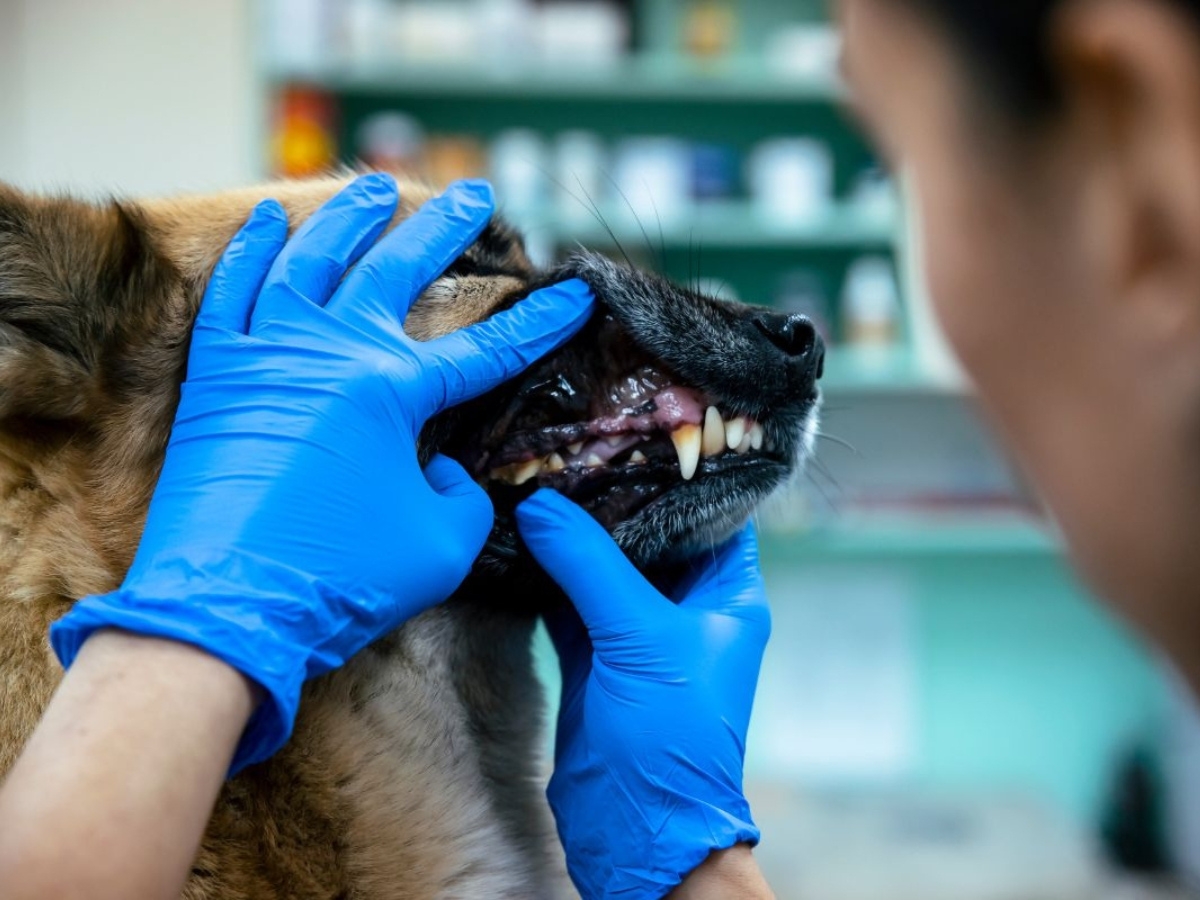
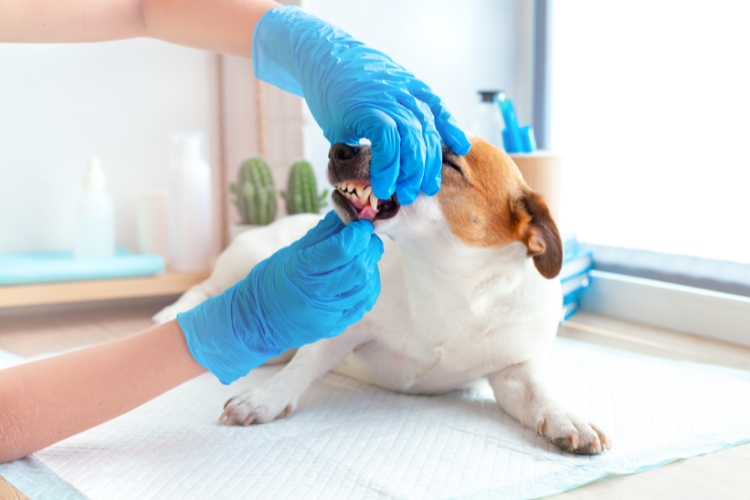
Regular pet dentistry examinations help identify damaged teeth and periodontal changes before they become more complicated.
Recognizing the Signs of a Carnassial Tooth Root Abscess
The most recognizable sign is swelling just below the eye, often on one side of the face. It may feel firm, soft, or tender depending on the extent and stage of inflammation.
Other signs may include:
- Facial sensitivity or discomfort when the area is touched
- Redness or swelling around the gums near the affected tooth
- Bad breath that seems stronger than usual
- Drooling or reluctance to chew
- Dropping food while eating
- Chewing on only one side of the mouth
- Reduced appetite or changes in normal eating behavior
- Discharge from a small opening in the skin below the eye
In some cases, an abscess may rupture and release pus through the skin. This can make the swelling appear to improve temporarily, but it does not mean the underlying infection has resolved.
If your pet develops unexplained facial swelling, arrange a veterinary examination promptly. Swelling near the eye can have several causes, and an examination is necessary to distinguish a dental abscess from an eye condition, injury, or another problem.
Why Dental Abscesses Can Be Mistaken for Eye Infections
The upper carnassial tooth roots sit close to the eye socket. Because of this proximity, an infection around the tooth can produce swelling in the area directly below the eye.
Owners may notice tearing, redness, or discomfort around the eye and assume the problem begins there. However, the eye itself may not be the source of the condition.
A veterinary examination helps determine whether the swelling originates from the mouth, the tissues around the eye, or another part of the face. Your veterinarian may examine the teeth, gums, facial tissues, and eye structures to identify the likely cause.
Avoid applying human eye products or attempting to drain a lump at home. These actions may irritate the affected area or delay appropriate treatment.
How Veterinarians Diagnose a Tooth Root Abscess
A visible examination can reveal fractured teeth, inflamed gums, or facial swelling, but the full extent of a dental problem may remain hidden beneath the gumline.
Dental radiographs are especially valuable because they allow the veterinary team to examine tooth roots and surrounding bone. X-rays may reveal changes such as bone loss, abnormalities around the root, or other evidence of infection.
Depending on the patient’s needs, a thorough dental assessment may require general anesthesia. This allows the veterinary team to examine the mouth carefully, assess individual teeth, and obtain diagnostic images while keeping the patient still and comfortable.
The veterinarian uses the examination and imaging findings to determine which tooth is affected and what treatment is appropriate.
Why Antibiotics Alone Usually Do Not Resolve the Problem
Antibiotics may be prescribed to help control bacterial infection and reduce surrounding inflammation. However, they generally cannot eliminate the underlying source when a tooth is fractured, infected internally, or surrounded by severely diseased supporting tissues.
As a result, swelling may decrease while medication is being given, only to return after treatment ends. The infection can persist because the damaged tooth or infected tissue remains in place.
For a tooth that cannot be saved, extraction is often recommended to remove the source of infection. In selected cases, root canal treatment may be an option if the tooth can be preserved and the procedure is appropriate.
The veterinarian will explain the available choices based on the tooth’s condition, imaging results, and your pet’s overall health.
How Tooth Extraction Helps Resolve the Infection
When extraction is recommended, the affected tooth is carefully removed under anesthesia. Because the upper fourth premolar has multiple roots, this can be a more involved procedure than removing a small single-rooted tooth.
The veterinary team removes the infected tooth and addresses diseased tissue as needed. The area is then cleaned and managed according to the surgical findings.
After treatment, your pet may need prescribed pain relief, temporary food adjustments, and restrictions on hard chewing. The veterinarian will provide instructions based on the procedure and your pet’s recovery.
Many pets adapt well after losing an affected tooth. Your veterinary team can explain how to support comfortable eating while the extraction site heals.
Supporting Long-Term Dental Health at Every Age
An age-by-age guide to dental care can help owners understand how oral health needs change throughout a pet’s life.
- Puppies and kittens: Monitor developing teeth, retained baby teeth, and early signs of crowding or damage.
- Young adult pets: Establish regular dental examinations and introduce toothbrushing gradually with pet-safe products.
- Middle-aged pets: Watch for tartar buildup, gum inflammation, fractured teeth, and changes in chewing habits.
- Senior pets: Pay close attention to bad breath, oral sensitivity, reduced appetite, and changes in facial appearance.
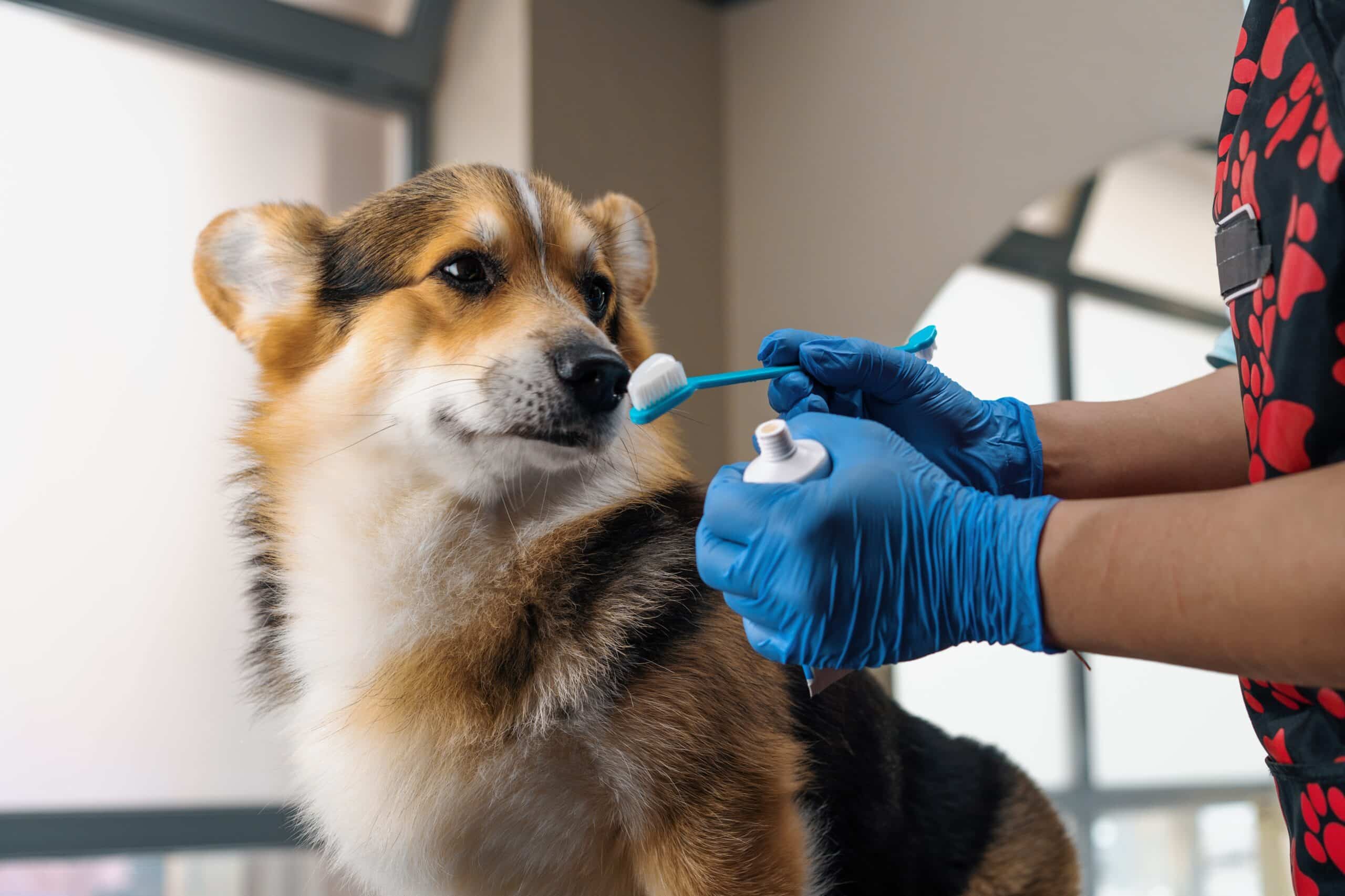
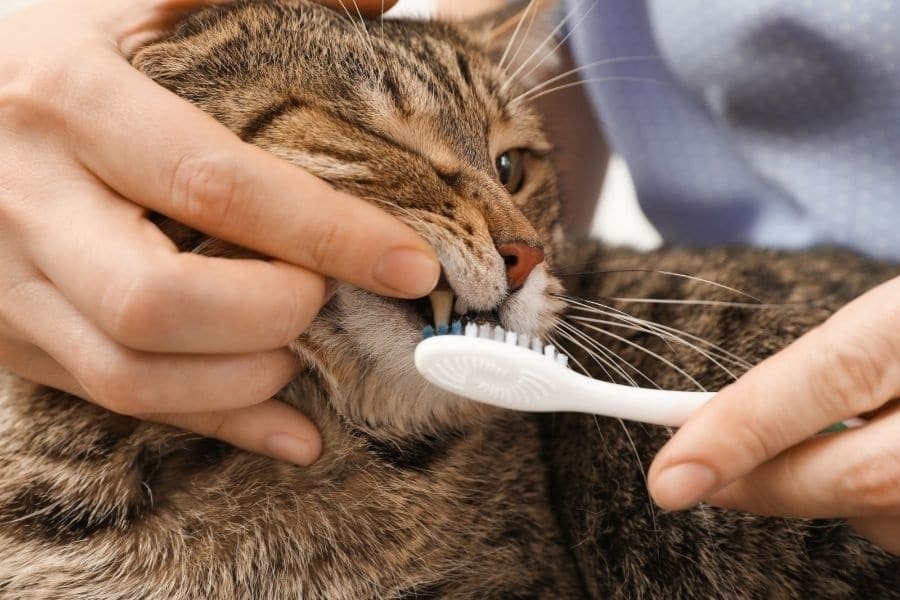
At every age, routine examinations and appropriate home care can help identify dental concerns. Brushing with pet-specific toothpaste, offering veterinarian-approved dental products, and avoiding excessively hard chew items can support healthier teeth and gums.
Schedule a Dental Examination at White Oak Veterinary Clinic
Facial swelling below your pet’s eye should not automatically be treated as an eye problem or an insect sting. An infected tooth root may be responsible, even when the damaged tooth is difficult to see.
If your dog or cat has facial swelling, unusual breath, difficulty chewing, or signs of oral discomfort, contact our veterinary clinic in White Oak to arrange an examination. The veterinary team can evaluate your pet’s dental health, recommend appropriate diagnostic testing, and discuss treatment options to address the underlying cause.
Frequently Asked Questions
Q1. Can a tooth root abscess cause swelling directly below my dog’s eye?
Ans: Yes. The roots of the upper fourth premolar in dogs are located close to the eye socket. Infection around these roots can cause visible swelling in the area beneath the eye.
Q2. Can a carnassial tooth abscess heal without removing the tooth?
Ans: Treatment depends on the condition of the tooth. Some teeth may be candidates for root canal treatment, while severely damaged or infected teeth may require extraction to remove the source of infection.
Q3. Why does facial swelling return after my pet takes antibiotics?
Ans: Antibiotics may temporarily reduce bacterial activity and inflammation, but they may not eliminate an infected or damaged tooth. The swelling can return if the underlying dental problem remains untreated.
Q4. Are dental X-rays necessary when a tooth root abscess is suspected?
Ans: Dental radiographs are often recommended because they show the roots and surrounding bone beneath the gumline. They help the veterinarian assess the extent of infection and plan appropriate treatment.
Q5. How can I reduce the risk of tooth root abscesses in my pet?
Ans: Regular dental examinations, appropriate toothbrushing, and avoiding excessively hard chew items can help protect oral health. Contact your veterinarian if you notice broken teeth, bad breath, facial swelling, or changes in chewing behavior.