A physical examination is one of the most important parts of a veterinary visit. By looking at your pet, listening to the heart and lungs, feeling the abdomen, checking the eyes and mouth, and observing movement and behavior, a veterinarian can gather valuable clues about overall health. However, some conditions begin deep inside the body and may not produce obvious outward signs.
This is where advanced diagnostic testing can add another layer of information. Through laboratory testing, diagnostic imaging, and other specialized evaluations, veterinarians can investigate changes that cannot always be detected through a physical examination alone. For pet parents in White Oak, understanding the role of pet diagnostic care can make it easier to recognize why additional testing may sometimes be recommended.
Why a Physical Examination Is Only One Part of Diagnosis
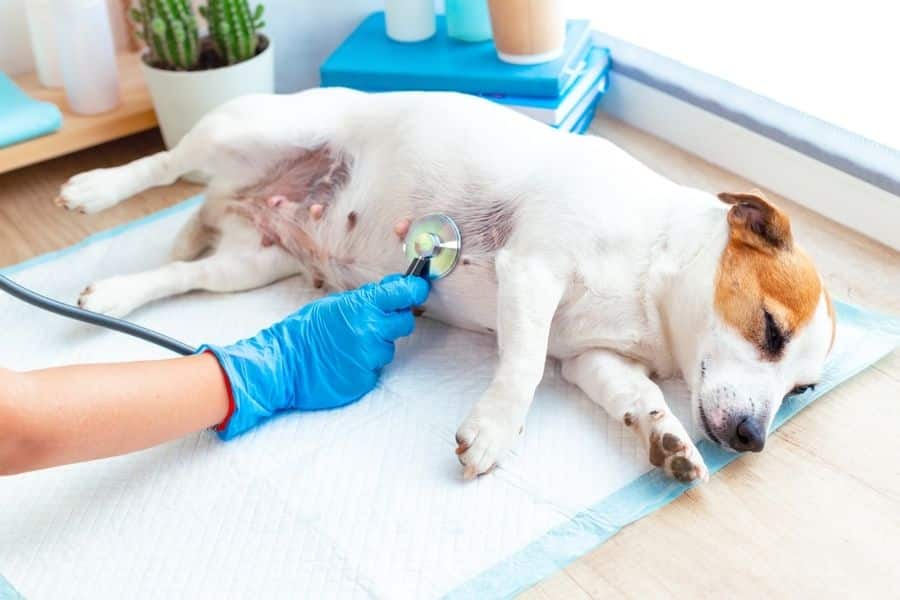
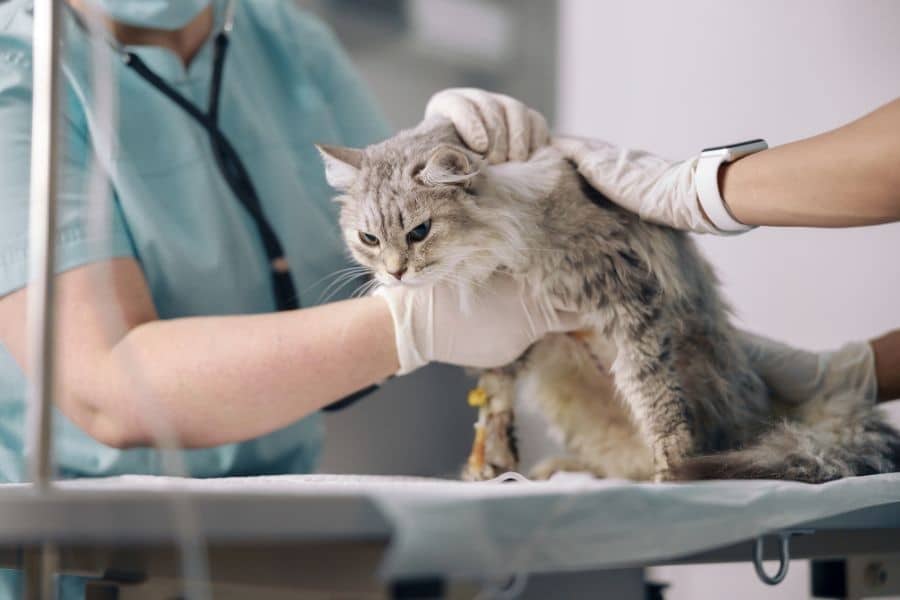
Pets are naturally skilled at hiding signs of illness. A dog may continue greeting family members while experiencing an internal health problem, while a cat may simply become quieter or sleep more than usual. Even when a veterinarian performs a careful physical examination, certain changes may remain difficult to detect.
For example, early kidney changes may not cause noticeable discomfort. Some internal masses may not be obvious when an abdomen is examined by hand. Certain changes in the chest, heart, liver, or other organs may also require additional evaluation.
A physical examination provides the foundation for diagnosis, but advanced diagnostic testing can help fill in the gaps.
What Advanced Diagnostic Testing Can Reveal
Advanced diagnostic testing refers to additional medical evaluations used to gather more detailed information about a pet’s condition. The specific tests selected depend on the symptoms, medical history, age, physical findings, and concerns identified by the veterinarian.
Depending on the situation, testing may include:
- Blood and urine analysis
- Diagnostic imaging
- Digital radiography
- Ultrasound examinations
- Specialized laboratory analysis
- Cytology or microscopic evaluation
- Additional testing for specific organ systems
Each test provides a different type of information. The goal is not to perform every possible test. Instead, veterinarians select appropriate diagnostics based on the questions they need to answer.
How Blood and Urine Testing Add Important Information
Bloodwork can reveal changes that are impossible to identify simply by looking at a pet. Laboratory results can provide information about blood cell levels, organ function, blood sugar, hydration, inflammation, and other internal processes.
Urine testing can also provide useful clues about urinary health and certain changes involving the kidneys and metabolism.
A pet may appear comfortable during an examination while laboratory testing reveals an abnormal value that deserves further investigation. In other cases, laboratory results may provide reassurance that certain body systems are functioning normally.
This information helps veterinarians determine whether further testing is appropriate or whether monitoring is enough.
The Role of Diagnostic Imaging
Diagnostic imaging allows veterinarians to look beyond the surface of the body. Different imaging methods provide different types of information.
Radiographs can help evaluate bones, the chest, and certain abdominal structures. They may reveal changes involving the lungs, heart size, bones, or other areas.
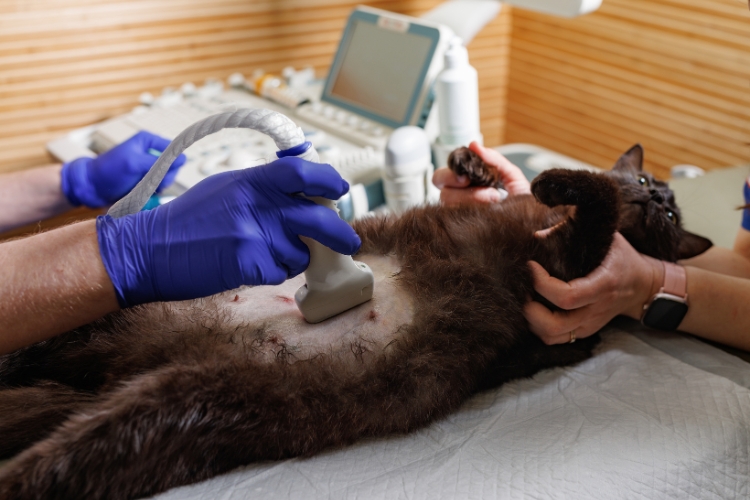
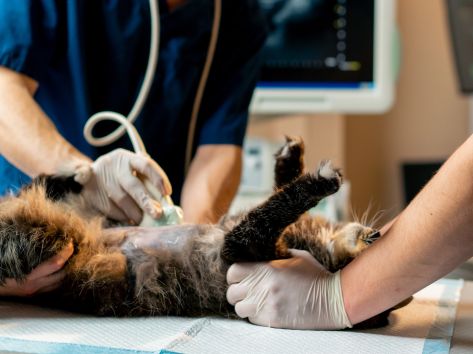
Ultrasound provides another perspective by allowing the veterinary team to evaluate soft tissues and internal organs. It can be particularly useful when a veterinarian needs more detailed information about structures that are difficult to evaluate through physical examination alone.
In some cases, multiple diagnostic methods may be used because each provides information that complements the others.
Problems That May Have Few Visible Signs
One of the most important benefits of advanced diagnostics is the ability to investigate health concerns before they become obvious to an owner.
A pet may experience gradual weight loss that is initially attributed to aging. A cat may drink more water without appearing sick. A dog may become slightly less active without showing obvious pain. These changes can have many possible explanations.
If the veterinarian identifies something unusual during an examination or learns about a concerning change in the pet’s routine, additional testing may help determine what is happening internally.
This does not mean every subtle change indicates a serious disease. It simply means that diagnostic testing can provide information that observation alone cannot.
When Veterinarians May Recommend Additional Testing
There are many reasons a veterinarian may recommend advanced diagnostic testing. Common situations include unexplained weight changes, persistent digestive problems, changes in appetite, increased thirst, unusual urination, ongoing fatigue, breathing changes, or abnormal findings during an examination.
Testing may also be useful when a pet has a known medical condition that needs ongoing monitoring.
For senior dogs and cats, diagnostic testing can be particularly valuable because age related changes may affect several body systems. Comparing current results with previous records can help veterinarians recognize patterns and identify meaningful changes over time.
Testing may also be recommended before certain procedures when the veterinary team needs additional information about a pet’s overall health.
How Veterinarians Choose the Right Tests
Advanced diagnostic testing works most effectively when it is guided by a clear medical question. A veterinarian considers the pet’s history, symptoms, physical examination findings, age, breed, lifestyle, and previous test results.
For example, if a pet has persistent digestive symptoms, the veterinarian may recommend laboratory testing first. If those results or the physical examination suggest an internal structural problem, imaging may be considered.
If an imaging study identifies an unusual area, additional testing may be recommended to understand its characteristics.
This step by step approach helps avoid unnecessary testing while still giving the veterinary team access to important information when it is needed.
Why Baseline Testing Can Be Valuable
Diagnostic testing is not only useful when a pet is visibly ill. Baseline information can also help veterinarians understand what is normal for an individual animal.
A healthy pet may have laboratory values that can be recorded for future comparison. If a health concern develops later, those earlier results may help the veterinarian determine whether a particular value has changed.
This can be especially useful for senior pets and animals with ongoing medical conditions.
Keeping records of previous laboratory tests and imaging studies can therefore provide useful context throughout your pet’s life.
What Pet Owners Should Watch at Home
Pet owners are often the first people to notice small changes. Keep an eye on your pet’s normal habits and report unusual changes to your veterinarian.
Important observations may include:
- Changes in appetite
- Increased or decreased water consumption
- Weight changes
- Changes in urination
- Changes in bowel movements
- Lower activity levels
- Changes in sleep
- Difficulty moving
- Persistent coughing
- Changes in behavior
Cats may hide illness particularly well, so subtle differences can be meaningful. If your cat starts hiding more often, stops jumping onto familiar surfaces, or becomes less interested in normal activities, mention these changes during a veterinary visit.
Dogs may show more noticeable changes, but gradual differences can still be easy to overlook.
Making Sense of Diagnostic Results
Advanced diagnostic testing does not automatically provide a diagnosis on its own. Results must be interpreted alongside the pet’s symptoms, physical examination, medical history, and other findings.
An abnormal result may lead to additional testing, while a normal result may help rule out certain concerns. Sometimes the veterinarian may recommend repeating a test later to determine whether a change is temporary or persistent.
This is why discussing results with your veterinary team is important. They can explain what the findings mean for your individual pet and what the next step may be.
Supporting Better Pet Health Through Diagnostics
Advanced diagnostic testing gives veterinarians a broader view of a pet’s health. A physical examination can identify many important clues, while laboratory analysis and diagnostic imaging can provide information about what is happening beneath the surface.
For pet parents in White Oak, regular veterinary care provides an opportunity to discuss changes before they become more difficult to understand. When additional testing is appropriate, it can help the veterinary team investigate hidden problems, monitor existing conditions, and make informed decisions about ongoing care.
Pet diagnostic care is most effective when it combines careful observation, a thorough examination, appropriate testing, and communication between the veterinary team and pet owner. Together, these pieces can create a clearer picture of your dog’s or cat’s health.
Schedule Pet Diagnostic Care
Have you noticed a change in your pet’s appetite, energy, weight, behavior, or daily habits? Schedule an online appointment with White Oak Veterinary Clinic in White Oak to discuss your concerns with the veterinary team.
A thorough evaluation can help determine whether your pet needs routine monitoring, laboratory testing, diagnostic imaging, or advanced diagnostic testing. Contact White Oak Veterinary Clinic to arrange an appointment and take a proactive step toward understanding your pet’s health.
FAQ or Frequently Asked Questions
Q1. Why might my pet need advanced diagnostic testing if the physical examination looks normal?
Ans: Some health problems develop internally without producing obvious physical signs. Additional testing can provide information about organ function, blood changes, or internal structures that cannot always be evaluated during a physical examination.
Q2. What types of advanced diagnostic testing may be recommended for dogs and cats?
Ans: Depending on the situation, a veterinarian may recommend blood or urine analysis, radiographs, ultrasound, specialized laboratory testing, or microscopic evaluation. The appropriate test depends on the pet’s symptoms and examination findings.
Q3. Can advanced diagnostic testing detect health problems early?
Ans: Testing can identify certain internal changes before they cause obvious outward symptoms. Early findings may help veterinarians investigate a concern sooner and determine whether monitoring or additional evaluation is appropriate.
Q4. Should healthy pets have diagnostic testing?
Ans: Some healthy pets may benefit from baseline laboratory testing, particularly as they age. Having previous results can give veterinarians useful information for comparison if health changes occur later.
Q5. What should I tell my veterinarian before diagnostic testing?
Ans: Share any changes you have noticed in appetite, drinking, weight, urination, digestion, energy, behavior, or mobility. Information about medications, supplements, previous health conditions, and earlier test results can also help the veterinarian choose appropriate diagnostics.