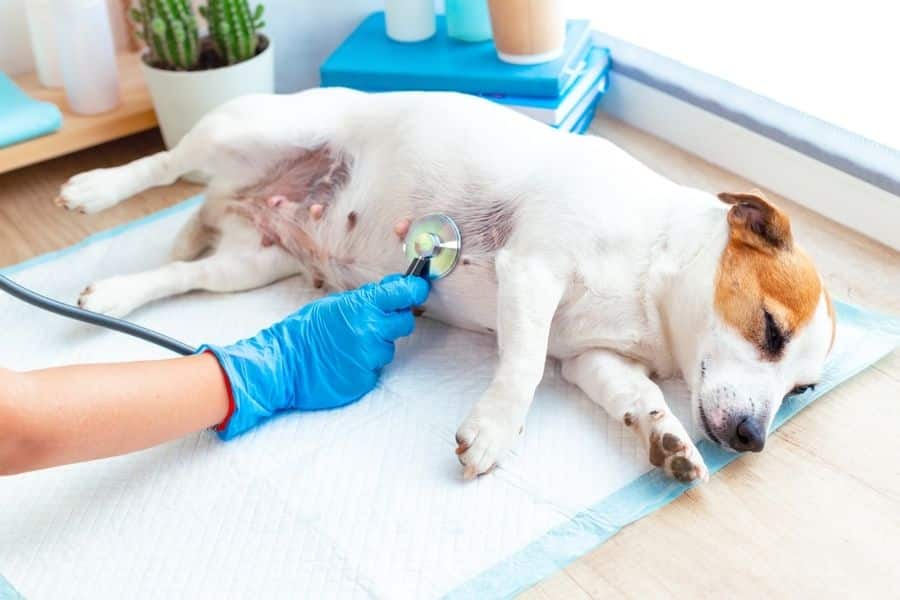
Your pet cannot tell you when something feels off. However, subtle changes in behavior, appetite, or energy often signal underlying health concerns. This is where pet diagnostic care becomes essential. It helps identify problems early, sometimes even before visible symptoms appear. As a result, treatment becomes more effective and less stressful for your pet.
Many pet owners wait until symptoms become obvious. Unfortunately, by that time, the condition may already be advanced. Early detection allows veterinarians to act quickly and prevent complications. Therefore, regular diagnostic evaluations should be part of your pet’s routine care.
This guide explains how diagnostic services support your pet’s health, what to expect during testing, and why proactive care matters. It is especially helpful for pet owners in White Oak, PA, who want to stay ahead of potential health concerns and make informed decisions for their pets.
What Is Pet Diagnostic Care?
Pet diagnostic care refers to medical tests and evaluations used to assess your pet’s internal health. These tests help veterinarians identify diseases, monitor organ function, and understand symptoms that may not be visible during a physical exam.
Unlike routine checkups, diagnostics go deeper. They provide measurable data that helps guide accurate treatment plans. For example, a physical exam may reveal weight loss, but diagnostic tests can identify whether the cause is related to the liver, kidneys, or another system.
Because of this, diagnostic care plays a central role in preventive medicine. It allows veterinarians to detect changes early and respond before conditions worsen.
Why Early Detection Matters
Early detection improves outcomes in many ways. First, it allows for quicker intervention. When conditions are caught early, treatment options are often simpler and more effective.
Second, early detection reduces discomfort for your pet. Chronic conditions can cause pain and stress if left untreated. Identifying issues early helps manage symptoms before they affect your pet’s quality of life.
Finally, early diagnosis can prevent the progression of serious diseases. Conditions such as diabetes, kidney disease, and infections often show minimal symptoms in the early stages. However, diagnostic tests can reveal these issues before they become severe.
Common Diagnostic Tests for Pets
Veterinary clinics use a range of diagnostic tools to evaluate your pet’s health. Each test serves a specific purpose and provides valuable insights.
Blood Tests
Blood work is one of the most common diagnostic tools. It helps assess organ function, detect infections, and evaluate overall health. Blood tests can reveal issues with the liver, kidneys, and immune system.
Urinalysis
Urine tests help identify urinary tract infections, kidney issues, and metabolic conditions. This test provides important information about hydration levels and organ performance.
Imaging (X-rays and Ultrasound)
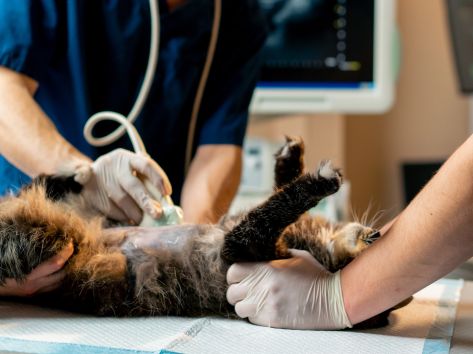
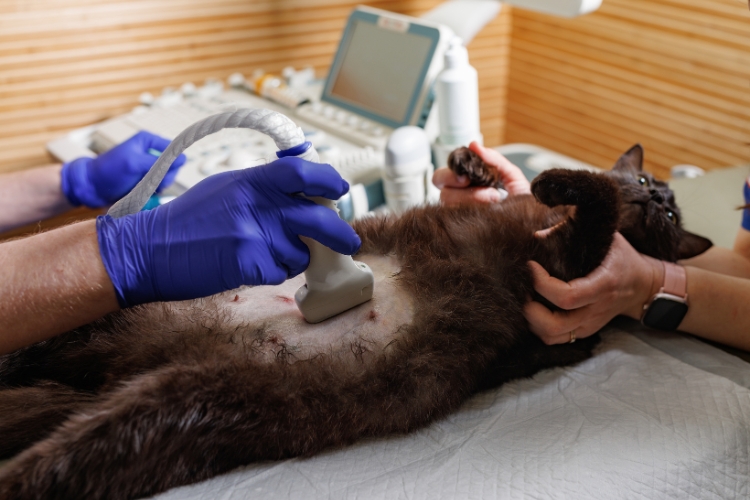
Imaging allows veterinarians to see inside your pet’s body. X-rays are useful for detecting bone issues, while ultrasounds provide detailed views of soft tissues and organs.
Fecal Exams
Fecal tests check for parasites and digestive issues. Regular screening helps prevent infections that could affect your pet’s health.
Skin and Ear Tests
These tests identify allergies, infections, or parasites affecting your pet’s skin and ears. Early diagnosis helps prevent discomfort and recurring problems.
Signs Your Pet May Need Diagnostic Testing
Pets often hide signs of illness. Therefore, it is important to watch for subtle changes.
- Decreased appetite or sudden weight loss
- Lethargy or reduced activity
- Vomiting or diarrhea
- Changes in drinking or urination habits
- Persistent scratching or skin irritation
- Behavioral changes or unusual aggression
If you notice any of these signs, diagnostic testing can help identify the cause. Early evaluation ensures your pet receives the right treatment at the right time.
The Role of Preventive Diagnostics
Preventive diagnostics focus on detecting potential issues before symptoms appear. This approach is especially useful for aging pets or breeds prone to certain conditions.
Routine screenings provide a baseline for your pet’s health. Over time, veterinarians can compare results and identify changes. This makes it easier to detect abnormalities early.
Preventive care also supports long-term health management. By monitoring your pet regularly, you reduce the risk of unexpected health emergencies.
How Diagnostic Care Improves Treatment Plans
Accurate diagnosis leads to targeted treatment. Without proper diagnostics, treatment may rely on guesswork. This can delay recovery and increase the risk of complications.
Diagnostic results help veterinarians choose the most effective medications and therapies. They also allow for monitoring progress during treatment. If needed, adjustments can be made quickly based on updated results.
This precise approach improves outcomes and ensures your pet receives the care they need.
What to Expect During a Diagnostic Visit
A diagnostic visit usually begins with a physical exam. Your veterinarian will ask about your pet’s symptoms, behavior, and medical history.
Next, they may recommend specific tests based on their findings. Some tests, such as blood work, provide quick results. Others, like imaging, may take more time but offer detailed insights.
Throughout the process, your veterinary team will explain each step and discuss the results with you. This helps you understand your pet’s condition and the recommended treatment plan.
Why Choose Professional Diagnostic Services
Professional diagnostic services provide accuracy and reliability. At White Oak Veterinary Clinic, advanced tools and experienced veterinary professionals work together to deliver precise results.
This combination ensures that your pet receives timely and effective care. In addition, having access to comprehensive diagnostics in one place simplifies the process for pet owners.
By choosing a trusted veterinary clinic, you can feel confident in your pet’s health care decisions.
Your pet’s health depends on timely and accurate care. Diagnostic services play a vital role in identifying health issues early and guiding effective treatment. By staying proactive, you can help your pet live a longer and more comfortable life.
If you’re in White Oak and looking for pet diagnostic care near you, schedule an appointment with White Oak Veterinary Clinic. Our veterinary team is committed to providing thorough evaluations and personalized care to keep your pet healthy at every stage.
FAQs
1. What is the purpose of diagnostic testing for pets?
Diagnostic testing helps identify underlying health conditions that may not be visible during a physical exam. It provides valuable information that supports accurate diagnosis and effective treatment planning.
2. How often should my pet undergo diagnostic tests?
The frequency depends on your pet’s age, breed, and health status. Young, healthy pets may need annual screenings, while older pets or those with conditions may require more frequent testing.
3. Are diagnostic tests safe for pets?
Yes, most diagnostic tests are safe and minimally invasive. Veterinarians use these tools carefully to ensure your pet’s comfort and well-being throughout the process.
4. Can diagnostic care detect diseases early?
Yes, diagnostic care can identify many conditions in their early stages. Early detection allows for timely treatment, which often leads to better outcomes and improved quality of life.
5. What should I do if my pet shows unusual symptoms?
If you notice changes in behavior, appetite, or energy levels, consult your veterinarian. Diagnostic testing can help determine the cause and guide the appropriate treatment.
6. Is diagnostic care necessary for healthy pets?
Yes, even healthy pets benefit from routine diagnostics. Preventive testing helps detect potential issues early and provides a baseline for monitoring future health changes.