When a pet develops unusual symptoms, finding the cause is not always as simple as performing one test. Many health conditions can produce similar signs, while some problems affect several parts of the body at once. A veterinarian may therefore recommend multiple diagnostic tests to gradually build a clearer picture of what is happening.
For pet owners, several tests may seem confusing at first. However, each test can provide a different piece of information. Blood work may reveal changes in internal organ function, imaging may show structural abnormalities, and urine testing may provide additional clues about the urinary system and overall health.
At White Oak Veterinary Clinic, a thoughtful diagnostic process focuses on understanding the complete picture rather than relying on one result. This approach can make pet diagnostic care more informative and help guide appropriate treatment.
One Symptom Can Have Many Possible Causes
A single symptom does not always point to one specific condition. For example, reduced appetite can occur because of digestive problems, discomfort, metabolic changes, stress, or other underlying concerns. Increased thirst can also have multiple possible explanations.
Because symptoms can overlap, veterinarians first consider the pet’s age, medical history, lifestyle, physical findings, and changes noticed at home. This information helps narrow down the possibilities before deciding which tests may be useful.
The purpose of testing is not simply to collect information. Each test should help answer a particular clinical question.
The Diagnostic Process Often Starts With the Physical Exam
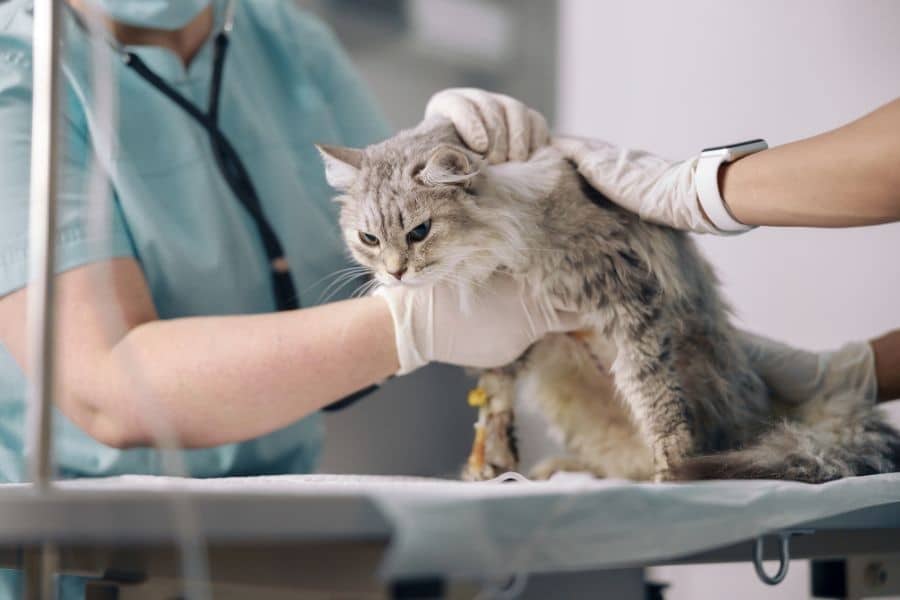
Before recommending several tests, a veterinarian typically begins by examining the pet. The physical examination can reveal clues about where the problem may be located.
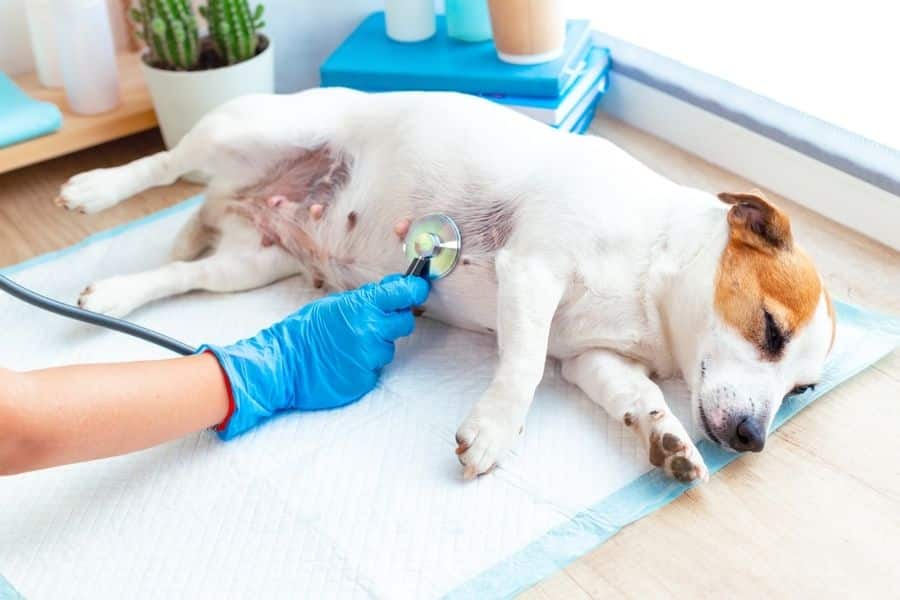
The veterinarian may evaluate the pet’s weight, body condition, heart and breathing, abdomen, skin, eyes, ears, movement, and overall appearance. They may also look for signs of discomfort or changes from the pet’s normal physical condition.
These findings help determine what should happen next. If the physical examination suggests that more information is needed, diagnostic testing can be selected based on the specific concerns identified.
Blood Testing Can Reveal Hidden Changes
Blood testing is commonly used because it can provide information that cannot be obtained from an external examination alone. Depending on the tests selected, results may provide insight into blood cell levels, organ function, hydration, metabolic processes, and other aspects of a pet’s health.
A pet can sometimes appear relatively normal while laboratory results reveal an important change. On the other hand, an abnormal result does not always identify the final diagnosis by itself.
This is why veterinarians interpret laboratory results alongside symptoms, physical findings, and medical history. One result may suggest an area that needs closer attention, leading to another diagnostic step.
Imaging Can Answer Different Questions
Laboratory testing and imaging provide different types of information. While blood work can offer insight into internal processes, imaging can help veterinarians evaluate physical structures.
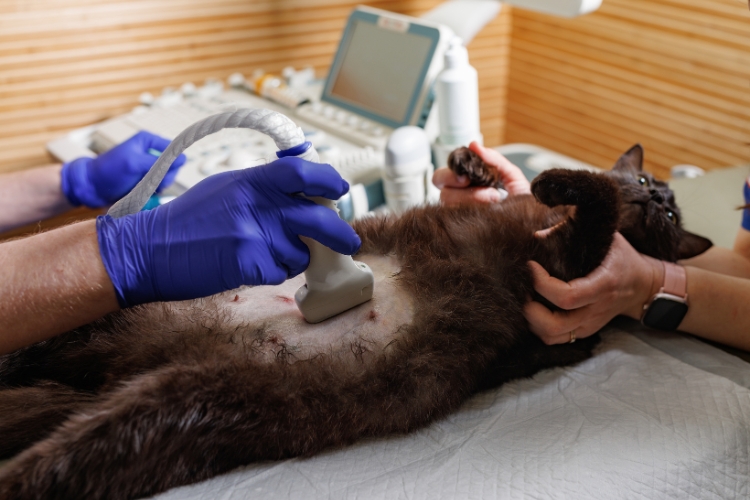
Depending on the situation, a veterinarian may recommend imaging to examine the abdomen, chest, bones, joints, or other areas. Imaging can help identify changes that cannot be detected through blood testing.
For example, if a pet has ongoing digestive symptoms, laboratory results may provide information about internal health while imaging can help evaluate physical structures within the abdomen.
When both types of information are available, veterinarians may be able to narrow the list of possible causes more effectively.
Why One Test May Lead to Another
Diagnostic testing is often a step by step process. An initial test may provide a clue rather than a complete answer.
Suppose a laboratory result suggests that a particular body system may not be functioning normally. The veterinarian may then recommend another test designed to investigate that finding more closely.
This does not necessarily mean the first test was insufficient. Instead, the first test helped determine what question should be investigated next.
This process is particularly important when several conditions could produce similar symptoms. Each additional piece of information can help distinguish between those possibilities.
Advance Testing May Be Considered When More Information Is Needed
In some cases, routine diagnostic procedures do not provide enough information to identify the underlying problem. This is where advance testing may become useful.
The need for advance testing depends on the individual pet and the questions that remain unanswered. A veterinarian may consider additional laboratory analysis, specialized imaging, or other diagnostic procedures when initial findings point toward a condition that requires closer evaluation.
The decision should be based on the pet’s symptoms, examination findings, previous results, and overall health rather than following a fixed testing sequence for every animal.
Repeating a Test Can Also Have a Purpose
Pet owners may wonder why a veterinarian would recommend repeating a test that was already performed. There are several reasons this can be helpful.
A pet’s condition can change over time, and a repeat result can show whether an abnormality is improving, remaining stable, or becoming more significant. In some cases, an initial result may need to be confirmed.
Looking at results over time can also help veterinarians identify trends. A single measurement provides one point of information, while several results can demonstrate how a health marker is changing.
This makes previous medical records valuable during future appointments.
Diagnostic Testing Is About Connecting the Clues
The real value of multiple tests comes from putting the findings together. Consider a pet that has become less active and has experienced changes in appetite.
The physical examination may identify a concern that warrants laboratory testing. Blood results may indicate that additional investigation is appropriate. Imaging may then provide information about a particular body area. If the findings point toward a specific concern, advance testing could help confirm or further characterize it.
Each stage contributes something different.
Rather than viewing several tests as separate events, it can be helpful to think of them as connected steps in a diagnostic investigation.
Your Pet’s History Can Make Testing More Useful
Owners play an important role in the diagnostic process. Details from home can help a veterinarian interpret test results more accurately.
Share when symptoms started, whether they are becoming more frequent, changes in eating or drinking, activity levels, bathroom habits, sleep patterns, and any changes in behavior. Mention previous health concerns and provide records from other veterinary visits when available.
Even small observations can matter. A pet that seems normal during an appointment may behave differently at home, making your observations an important part of the overall assessment.
Why Individualized Diagnostic Care Matters
Every pet has a different medical history, age, lifestyle, and combination of symptoms. As a result, diagnostic care should be tailored to the individual rather than based on a one size fits all approach.
Some pets may need only a limited number of tests to clarify a concern. Others may require several diagnostic steps before the underlying problem becomes clear.
At White Oak Veterinary Clinic, pet diagnostic care can involve carefully reviewing symptoms, examination findings, medical history, and test results to determine what information is still needed. This helps keep the diagnostic process focused on meaningful questions.
Understanding the Value of a Step by Step Approach
When several tests are recommended, it is natural for pet owners to want to understand why each one is necessary. Asking questions can help you understand what a particular test is designed to evaluate and how its results may influence the next step.
The goal of veterinary diagnostics is to move from general observations toward a more specific understanding of the problem. Sometimes that requires only one test. In other situations, advance testing or several complementary tests may be necessary.
A careful, step by step process gives veterinarians more information to work with and helps create a clearer understanding of your pet’s health.
Veterinary Diagnostic Care in White Oak
When a pet has persistent or unexplained symptoms, finding the underlying cause may require more than one diagnostic method. White Oak Veterinary Clinic can evaluate your pet’s individual signs and determine which information may be useful during the diagnostic process.
If you are looking for dependable pet diagnostic care in White Oak, discussing your concerns with a veterinarian can be an important first step. A detailed history, physical examination, and carefully selected testing can help turn a collection of confusing symptoms into a clearer clinical picture.
Schedule Your Pet’s Appointment
If your pet has unexplained changes in appetite, activity, behavior, or other aspects of daily health, consider scheduling an appointment with White Oak Veterinary Clinic. Contact our clinic to discuss your concerns and arrange an online appointment or booking.
Early evaluation can give your veterinarian more information about what has changed and whether additional diagnostic steps may be appropriate.
Frequently Asked Questions
Q1. Why would a pet need several diagnostic tests?
Ans: Different tests provide different types of information. Several tests may be needed when one result cannot explain all of a pet’s symptoms or when veterinarians need to investigate multiple possible causes.
Q2. Does an abnormal test result always mean my pet has a specific illness?
Ans: Not necessarily. An abnormal result is interpreted alongside the pet’s symptoms, physical examination, medical history, and other findings. Additional testing may sometimes be needed to understand its significance.
Q3. What is the purpose of advance testing for pets?
Ans: Advance testing can provide more detailed information when initial examinations or routine tests do not fully explain a pet’s condition. The veterinarian determines whether it is appropriate based on the individual case.
Q4. Why might a veterinarian repeat a diagnostic test?
Ans: Repeating a test can help confirm a finding or show how a particular measurement has changed over time. Trends can provide useful information about whether a condition is improving, stable, or progressing.
Q5. How can pet owners help during the diagnostic process?
Ans: Owners can provide details about when symptoms started, changes in appetite or activity, bathroom habits, behavior, previous health concerns, and anything unusual noticed at home. These observations can help veterinarians interpret diagnostic findings.